
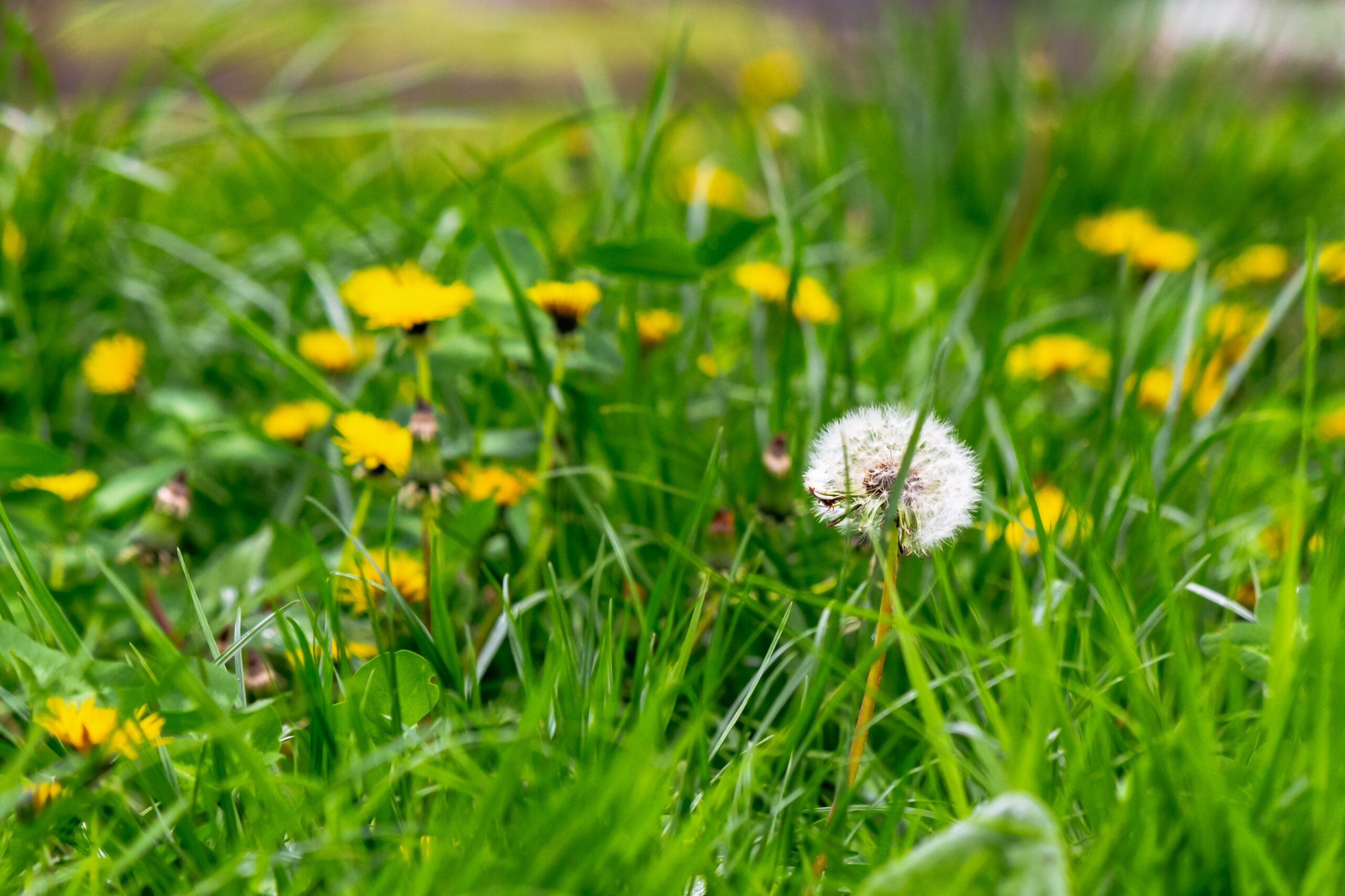
New Lawn, New Weeds: What Is Going On?
After all the work you put into prepping soil, spreading seed, and watering, seeing weeds pop up in your new lawn can feel frustrating. The good news is this is a common stage in lawn establishment. Weed seeds are everywhere. When you disturb soil and add water and sunlight, you activate the seed bank that has been waiting for the right moment. With the right weed control strategy and consistent care, you can turn the tide and build a thick, resilient lawn.
At the doctors of landscaping, we work on new lawns across Kenosha and nearby communities, and we see the same patterns each season. Understanding why weeds appear is the first step to knocking them back fast and setting up your turf for long-term success.
Why Weeds Take Over New Grass
Exposed Soil and Sunlight Wake Up the Seed Bank
Soil holds thousands of dormant weed seeds per square foot. Tilling, raking, or grading brings them to the surface. Then sunlight and moisture trigger germination. New turf is thin at first, so open gaps give weeds an easy runway to grow.
Frequent Watering Favors Fast-Germinating Weeds
New lawns need light, frequent watering to keep the top quarter inch of soil damp. That same schedule is perfect for annual weeds like crabgrass and spurge. Until grass fills in, these opportunists sprint ahead.
Soil Compaction and Drainage Problems
Compacted areas hold heat and moisture near the surface, a perfect environment for weeds and a tough place for tender grass roots. If footprints linger or water pools after irrigation, address compaction to support turf and improve weed control.
Seeding Time and Temperature
In Kenosha, the best time to seed cool-season grass is late summer into early fall when soil is warm but air temps are cooling. Spring seeding can work, but it overlaps with the biggest annual weed flush. If you seeded in spring, expect more weeds and plan for extra management.
Seed Quality and Species Mix
Low-quality or old grass seed has reduced germination rates and may contain crop or weed contaminants. That creates bare spots weeds can exploit. Choose a high-quality blend suited to southeast Wisconsin, such as Kentucky bluegrass with perennial ryegrass and fine fescue, for dense coverage and stronger weed control through competition.
Fertilizer Mistakes
Over-fertilizing can feed weeds as much as grass. Under-fertilizing starves new turf, slowing fill-in. Use a targeted starter fertilizer if your soil test suggests it, then follow a measured feeding schedule.
Mowing Too Short
Scalping new grass lets more light reach the soil, which helps weeds germinate. Taller grass shades the soil surface and naturally reduces weed pressure. In the first season, keep cool-season turf around 3 to 3.5 inches.
Wind, Birds, and Mulch Contamination
Weed seeds blow in, stick to shoes and tools, or arrive with birds. Straw mulch can also be a source. Use clean, weed-free straw or a biodegradable erosion control blanket to reduce contamination.
Common Weeds in Freshly Seeded Lawns Around Kenosha
Crabgrass
Warm-season annual that loves bare soil and heat. Flat, coarse blades radiate from a center point. Shows up mid to late spring as soil temps hit about 55 degrees and thrives into summer.
Quackgrass
Perennial with wide blades and creeping rhizomes. It can outpace turf in early spring. Tough to remove once established and often spreads from contaminated fill or equipment.
Dandelion
Deep taproot and bright yellow flowers. Windborne seeds colonize thin areas fast. It is a perennial, so hand-pulling must remove the taproot to prevent regrowth.
Creeping Charlie
Also called ground ivy. A low, vining perennial that loves shade and moist soils. Often invades along edges and under trees where turf is thin.
Plantain
Broad leaves in a rosette pattern. Indicates compaction and wet spots. Wide leaves can smother seedlings if not removed.
Nutsedge
Triangular stem and shiny, upright leaves that outpace turf during hot spells. Prefers soggy areas and poorly drained soils.
Annual Bluegrass
Fine-bladed, light-green clumps with seedheads at low mowing heights. Favors cool, damp conditions in spring and fall.
Weed Control Timeline for New Lawns
Use this simple timeline to guide safe, effective weed control while protecting young grass.
- Before Seeding: Prep Right
- Remove existing weeds thoroughly. For large areas, a non-selective herbicide can be used several weeks before seeding. Follow label directions and observe all waiting periods.
- Improve grading and drainage. Loosen compacted soil 3 to 4 inches deep.
- Bring in clean, screened topsoil free of weed contamination. Avoid questionable fill.
- Rake smooth, then roll lightly for a firm seedbed that holds seed in place.
- Seeding Day to Week 2: Protect Seedlings
- Spread high-quality seed at the recommended rate. Too heavy causes disease, too light invites weeds.
- Cover with a thin layer of clean straw or an erosion blanket. Avoid hay that contains weed seeds.
- Water lightly 2 to 3 times per day to keep the top quarter inch moist. Do not create puddles.
- Avoid most herbicides at this stage. Selective products can harm seedlings unless the label specifically permits use at seeding.
- Weeks 3 to 4: First Mow and Scout
- Mow when grass reaches 3.5 to 4 inches, cutting to about 3 inches. A sharp blade is critical.
- Hand-pull or spot-dig obvious weeds, especially broadleaf weeds with shallow roots.
- Lightly reduce watering frequency while keeping soil evenly moist.
- Weeks 4 to 8: Build Density
- Apply a light fertilizer if needed based on soil test or professional advice. Healthy grass competes better and improves weed control naturally.
- Continue mowing at 3 to 3.5 inches. Never remove more than one-third of the blade height.
- Spot-treat only if the product label allows use on new lawns of your grass type and age. Many selective herbicides require at least 2 to 3 mowings before application.
- Weeks 8 to 12: Target Trouble Spots
- Overseed thin patches to close gaps. Rake lightly, add seed, topdress with a thin layer of compost, and water.
- Manually remove persistent weeds and their roots. A stand-up weeder saves time on larger areas.
- Adjust irrigation to deeper, less frequent watering to encourage deep roots.
- First Fall Season: Strengthen the Base
- Core aerate compacted areas and topdress with compost to improve soil structure.
- Overseed again if needed. Fall is prime time in Kenosha for cool-season grass establishment.
- Apply a balanced fall fertilizer at the right rate to boost root growth.
- Next Spring: Prevent and Maintain
- Apply a pre-emergent for crabgrass at the right time if your lawn is mature enough. Many products require that new turf has been mowed at least twice the previous season. Read the label closely.
- Keep mowing tall and sharpen blades early.
- Stay consistent with irrigation and nutrition.
Safe Herbicide Use on New Lawns
Herbicides are tools, not shortcuts. The right product at the right time can help, but the wrong one can damage young turf. Always read and follow the label.
- Mesotrione: Some mesotrione products can be used at or near seeding for Kentucky bluegrass, perennial ryegrass, and fescues to suppress certain weeds like crabgrass. Confirm your grass species and follow the label rates.
- Selective Broadleaf Herbicides: Products with 2,4-D, MCPP, and dicamba typically require the lawn to be established and mowed 2 to 3 times before use. Spot-spray only, and avoid heat stress periods.
- Crabgrass Control: Quinclorac can control young crabgrass but usually needs established turf. Dithiopyr can act as both a pre and early post-emergent once the lawn is mature enough. For next spring, consider a pre-emergent like prodiamine or dithiopyr before soil warms.
- Nutsedge: Halosulfuron or sulfentrazone can help, but only on established turf. Improve drainage to reduce recurrence.
- Application Basics: Spray on calm days, avoid drift, and never exceed label rates. Keep kids and pets off until the product dries.
Non-Chemical Weed Control That Works
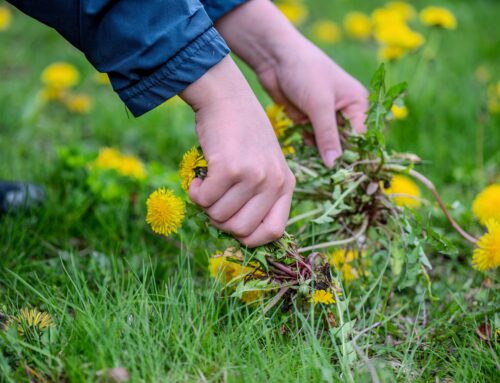
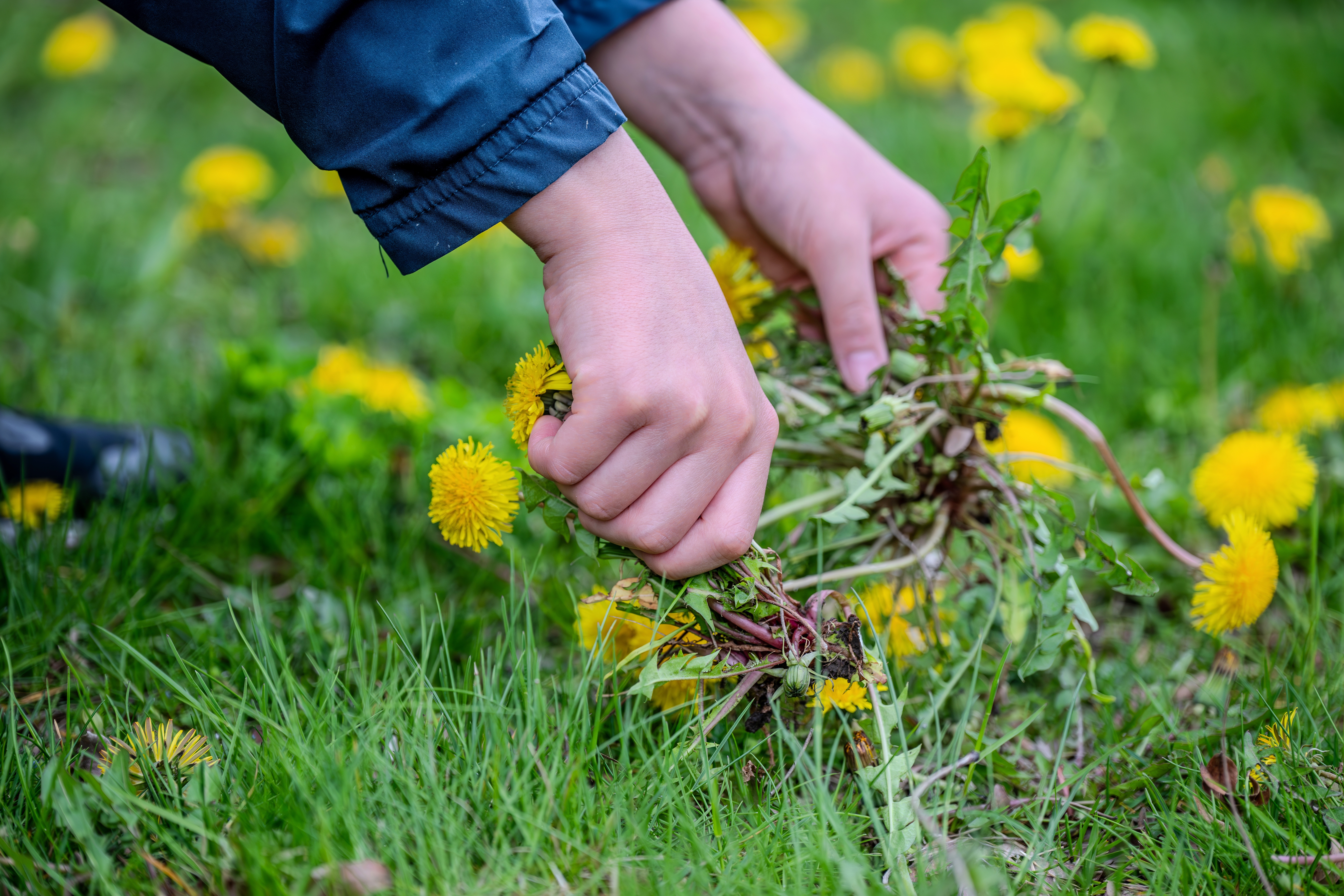
- Hand Pulling and Digging: Best for new lawns. Pull when soil is moist and remove the entire root. Use a dandelion fork or a stand-up tool to speed up the job.
- Mulch and Blankets: Clean straw or biodegradable blankets shield seed from birds and suppress weeds while allowing grass to grow.
- Mowing Strategy: Mow tall and often enough to prevent weeds from seeding. Bag clippings only if weeds have visible seedheads.
- Soil Health: Core aeration and compost topdressing relieve compaction, improve drainage, and favor turf over weeds.
- Irrigation: Shift to deeper, less frequent watering after establishment to discourage shallow-rooted weeds.
- Caution on Home Remedies: Household vinegar and boiling water harm grass seedlings and beneficial soil life. Corn gluten meal has mixed results and requires precise timing and heavy rates. Rely on proven cultural practices first.
Watering, Mowing, and Feeding for Strong Turf
Watering
For the first 2 weeks after seeding, keep the top quarter inch moist with brief, frequent watering. From weeks 3 to 6, reduce frequency and increase depth so moisture reaches 3 to 4 inches. Once established, water 1 inch per week in total including rainfall, delivered in one or two deep soakings.
Mowing
Mow when grass reaches 3.5 to 4 inches and trim to 3 to 3.5 inches. Keep blades sharp and avoid mowing when the lawn is wet or stressed. Taller turf improves weed control by shading soil and conserving moisture.
Fertilization
Use soil testing to guide fertilizer choices. If phosphorus is needed and local rules allow it, a starter fertilizer at seeding can help. About 4 to 6 weeks after germination, apply 0.5 to 1 pound of nitrogen per 1000 square feet if turf color and growth are lagging. In fall, feed to build roots and density.
Prevent Problems Before They Start
- Choose the Right Mix: For Kenosha’s climate, blends of Kentucky bluegrass, perennial ryegrass, and fine fescues perform well. Match shade and traffic tolerance to your yard conditions.
- Use Clean Materials: Bring in screened, weed-free topsoil and clean straw. Rinse tools to avoid importing weeds from other sites.
- Fix Drainage and Compaction: Regrade low spots, add organic matter, and consider French drains to keep water moving.
- Overseed Regularly: Fill thin areas at least once a year. Thick turf is your best long-term weed control.
- Edge and Mulch Beds: A solid bed edge and sufficient mulch depth keep landscape weeds from creeping into your lawn.
Common Mistakes That Invite Weeds
- Seeding too early in spring or too late in fall for optimal germination.
- Using cheap or old seed that fails to establish a thick stand.
- Skipping soil prep and seeding into compacted ground.
- Watering schedules that either dry out seedlings or create puddles.
- Mowing too short and too soon.
- Applying the wrong herbicide at the wrong time for your grass type.
- Ignoring small bare patches that quickly turn into weed hotspots.
When to Call the Pros
If weeds are racing ahead of your grass or you are not sure which products are safe for a new lawn, professional help can save time, money, and frustration. The Doctors of Landscaping is a locally owned and operated company in Kenosha, Wisconsin with more than 30 years of experience. What started as a small lawn maintenance business has grown into a full-service provider that understands how to balance curb appeal with long-term durability.
How the Doctors of Landscaping Can Help
- New Lawn Establishment: Site prep, seed selection, clean topsoil, erosion control blankets, and precise watering schedules for strong germination and built-in weed control.
- Lawn Care Services: Mowing, edging, and clean-up with consistent heights, sharp blades, and attention to detail so turf outcompetes weeds.
- Bed and Planting Services: Proper bed edges and mulch depth that prevent spreading weeds and frame your lawn.
- Hardscaping: Patios, walkways, and retaining walls installed with correct base prep to eliminate weed-prone gaps and improve drainage.
- Seasonal Maintenance: Spring and fall cleanups that remove weed seed sources and prepare turf for the next growth phase.
- Snow Removal: Residential and small commercial services that protect turf edges and keep sites safe all winter.
The team at the doctors of landscaping emphasizes reliability, proper installation practices, and clear communication. You get free estimates, efficient scheduling, and complete clean-up. Working with one trusted provider for everything outdoors means your lawn, beds, and hardscapes support each other, and weed control becomes part of a smart, year-round plan.
Quick Answers to Common New-Lawn Weed Questions
Is it normal to see weeds after seeding?
Yes. Soil disturbance and frequent watering wake up the seed bank. With consistent mowing, watering, and targeted weed control, turf density will improve and weeds will fade.
Should I pull weeds or wait?
Pull early and often, especially in the first 8 to 12 weeks. Remove the root, and be gentle to avoid uprooting seedlings. Spot pulling prevents seed set and buys time for grass to fill in.
When can I use a weed killer on a new lawn?
Many selective herbicides require waiting until the lawn has been mowed 2 to 3 times. Some products like mesotrione can be used at or near seeding for certain cool-season grasses. Always confirm on the label for your grass type and timing.
How tall should I mow to reduce weeds?
Keep cool-season turf at 3 to 3.5 inches. Taller blades shade soil and naturally cut down on weed germination while helping roots grow deeper.
What about crabgrass preventer in spring?
Pre-emergents like prodiamine or dithiopyr are effective when applied before crabgrass germinates. Only use them on lawns that are mature enough per product label. If you seeded in spring, you may need to delay or choose a product compatible with new turf.
How do I handle wet, weedy areas?
Improve drainage and relieve compaction first. If nutsedge or moisture-loving weeds persist, consider targeted treatments once the lawn is established.
Your Next Steps
Weeds in a new lawn are a sign of opportunity. With the right timing and habits, you can shift conditions to favor grass, not weeds. Focus on clean materials, steady watering, tall mowing, and careful feeding. Hand-pull early offenders, then add selective treatments only when your turf is ready. If you want a fast, reliable path to thick, green grass and long-term weed control, partner with a team that does this every day. Contact The Doctors of Landscaping for a free estimate. Our Kenosha-based crew will assess your site, build a practical plan, and handle everything from prep to clean-up so your new lawn takes root and stays strong season after season.

Leave A Comment