
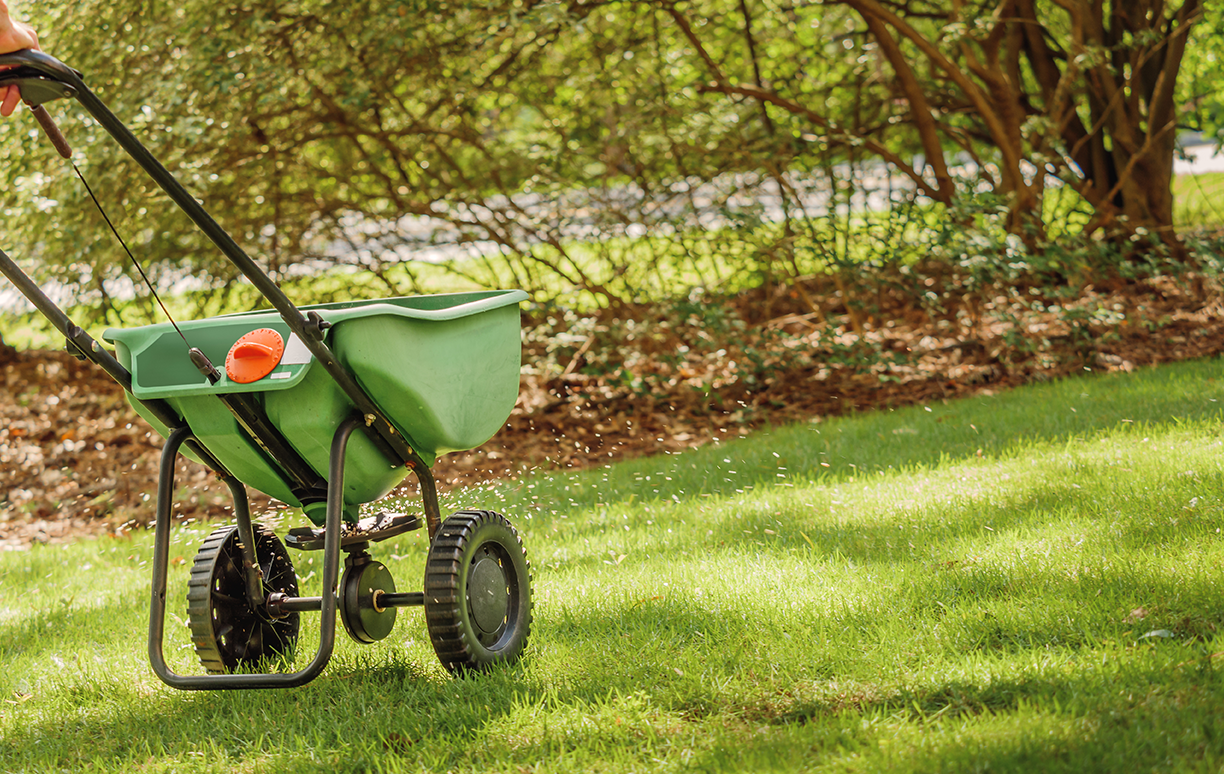
Lawn fertilization in Wisconsin works best when you match the product and timing to our local seasons. In this guide, you will learn the best times to fertilize by season, how weather affects results, and simple steps to grow healthier turf. If you want dependable results without the guesswork, the doctors of landscaping can schedule your service at the right time for your yard.
Why Timing Matters in Wisconsin
Most Wisconsin lawns are cool-season grasses such as Kentucky bluegrass, perennial ryegrass, and fescues. These grasses grow most actively in spring and fall when temperatures are cooler and soil moisture is steady. If you align lawn fertilization with these growth peaks, the grass uses nutrients efficiently. If you fertilize at the wrong time, you can waste product, cause surge growth that weakens roots, and increase weed or disease pressure.
Southern Wisconsin, including Kenosha, sees cold winters, a rapid spring warm-up, warm summers with occasional drought, and long falls. Soil temperature is a reliable guide for your lawn calendar. Aim most feedings when soil temps are roughly 50 to 65 degrees. The doctors of landscaping follows these cues for precise scheduling across our service area.
The Best Time for Lawn Fertilization in Wisconsin by Season
Early Spring: Wake-up Feeding and Pre-emergent
Target window: late March to late April in southern Wisconsin depending on the year. Wait until the lawn has begun to green, the soil consistently reaches about 50 degrees, and you have mowed once.
Goals for this application are to wake up the lawn without pushing weak, leggy growth and to prevent crabgrass. Choose a slow-release fertilizer at a modest rate and consider a pre-emergent crabgrass control if you had weed pressure last year. Time the pre-emergent around when forsythia shrubs bloom or when soil temps hold near 55 degrees for several days. The doctors of landscaping uses calibrated spreaders and temperature tracking so this crucial step lands exactly on time.
Late Spring to Early Summer: Density and Color
Target window: mid May to mid June. The grass is still actively growing, and soil is warm enough for nutrients to move well. This is a good time to build density, deepen green color, and prepare for summer stress.
Use a balanced, slow-release product that delivers steady nutrition for four to eight weeks. Keep the rate in the moderate range to avoid forcing growth during upcoming heat. If you struggle with broadleaf weeds, you can pair fertilization with spot treatments rather than relying on a heavy weed-and-feed that treats the whole lawn. Doctors of landscaping applies nutrients in a way that supports thick turf, which naturally suppresses weeds.
Mid-Summer: Light and Careful, or Skip During Heat Stress
Target window: July to early August. Wisconsin summers can be hot and dry. Cool-season grasses often slow down or even go dormant to protect themselves.
If your lawn is irrigated and actively growing, you can spoon-feed a light dose of slow-release nitrogen. Think maintenance level rather than a growth push. If the lawn is under drought stress, it is safer to pause feeding. Heavy summer fertilization can burn turf or invite disease. A small application of iron can improve color without driving growth if you want green without stress. The team at The Doctors of Landscaping helps homeowners make this call based on current weather and turf vigor.
Early Fall: The Most Important Feeding of the Year
Target window: late August to late September. As nights cool, cool-season grasses kick back into strong growth and root development. This is the prime time for lawn fertilization in Wisconsin.
Apply a solid feeding with a high percentage of slow-release nitrogen. This strengthens roots, thickens the stand, and repairs summer thinning. Early fall is also the best time for core aeration and overseeding. Fertilizer supports seedling establishment and helps new roots penetrate the soil. Doctors of landscaping often coordinates aeration, overseeding, and fertilization in one efficient visit for optimal results.
Late Fall: Winterizer for Reserves
Target window: late October to mid November, after top growth slows and you have made your last mow, but before the ground freezes.
A winterizer application mainly supplies nitrogen that the grass stores in roots for early spring green-up. A quick-release source at a moderate rate can be effective because the lawn is not pushing leaf growth. This timing gives you a noticeable jump on color and density when snow melts. The Doctors of Landscaping times winterizer treatments to meet these exact conditions across Kenosha and surrounding communities.
Weather Insights and Scheduling Tips
Watch Soil Temperatures and Nature’s Cues
Use soil thermometers or university soil temp maps for precise timing. In general, aim early spring feedings once soils hit 50 degrees, apply pre-emergent when forsythia blooms or when soil holds near 55 degrees, prioritize early fall as nights fall into the 50s, and apply winterizer right after growth slows. The doctors of landscaping tracks these patterns for reliable scheduling year after year.
Work With Moisture, Not Against It
Water-in guidelines are simple. Aim for light irrigation after granular applications, about a quarter inch, unless rain is expected soon. Avoid applying if a heavy rain is forecast within 24 hours because nutrients can wash off, which wastes product and harms waterways. On windy days, skip feeding to prevent drift into beds or hardscape. Local pros like The Doctors of Landscaping watch the forecast closely to protect your investment.
Prevent Runoff and Protect Water
Always sweep granules off driveways, sidewalks, and patios back onto the grass. Keep a buffer near lakes or storm drains. Fertilize on dry turf and water in afterward to lock nutrients in the root zone. Responsible lawn fertilization maintains a healthy lawn and protects Wisconsin’s waters at the same time.
How Much Fertilizer and What Type to Use
Nitrogen Rates and Annual Plans
Nitrogen is the driver of growth and color. For cool-season lawns in Wisconsin, annual nitrogen often ranges from 2.5 to 4 pounds of nitrogen per 1000 square feet, depending on grass type, soil, irrigation, and how perfect you want the turf to be. Fine fescues need less, often 1 to 2 pounds annually. Kentucky bluegrass lawns that are irrigated and mowed regularly can use 3 to 4 pounds annually split across multiple treatments.
Sample plan for a typical Kenosha bluegrass lawn:
- Early spring: 0.5 to 0.75 lb N per 1000 sq ft with pre-emergent if needed
- Late spring: 0.75 lb N per 1000 sq ft slow-release
- Early fall: 1.0 lb N per 1000 sq ft slow-release
- Late fall winterizer: 0.75 lb N per 1000 sq ft quick-release
Adjust rates based on lawn response. If clippings are heavy and growth is fast, reduce the next feeding or increase the slow-release portion. Doctors of landscaping tailors these plans to lawn species, sun exposure, traffic, and homeowner goals.
Slow-Release vs Quick-Release
Choose fertilizers with at least 30 to 50 percent slow-release nitrogen for steady feeding and fewer surges. Polymer coated, sulfur coated, and organic-derived sources release nutrients gradually. Quick-release forms like urea have a role in late fall or for fast correction, but they require precise timing and light watering to avoid burn. A blended product that includes both types often delivers the best balance of quick response and sustained feeding.
Know Wisconsin’s Phosphorus Rules
Wisconsin law limits phosphorus in lawn fertilizers for established turf unless a soil test shows a deficiency or you are establishing new seed or sod. Many lawn fertilizers are now labeled phosphorus-free. Always read the label and follow local ordinances. The Doctors of Landscaping follows all state and local regulations to protect our lakes and rivers.
Liquid vs Granular
Granular products work well for most homeowners and provide long-lasting feeding. Liquids can be useful for quick greening or when combining with other treatments but may require more frequent applications. The right choice depends on your goals and the equipment you have. Either way, calibration and even coverage are essential for safe, effective lawn fertilization.
Step-by-Step Application Checklist
- Test the soil. Every 2 to 3 years, run a soil test to gauge pH and nutrient levels. This guides product choice and prevents over-application.
- Mow and clean up. Mow the lawn and bag heavy debris before fertilizing. Even coverage works best on a consistent surface.
- Check the weather. Choose a calm day with no heavy rain expected within 24 hours.
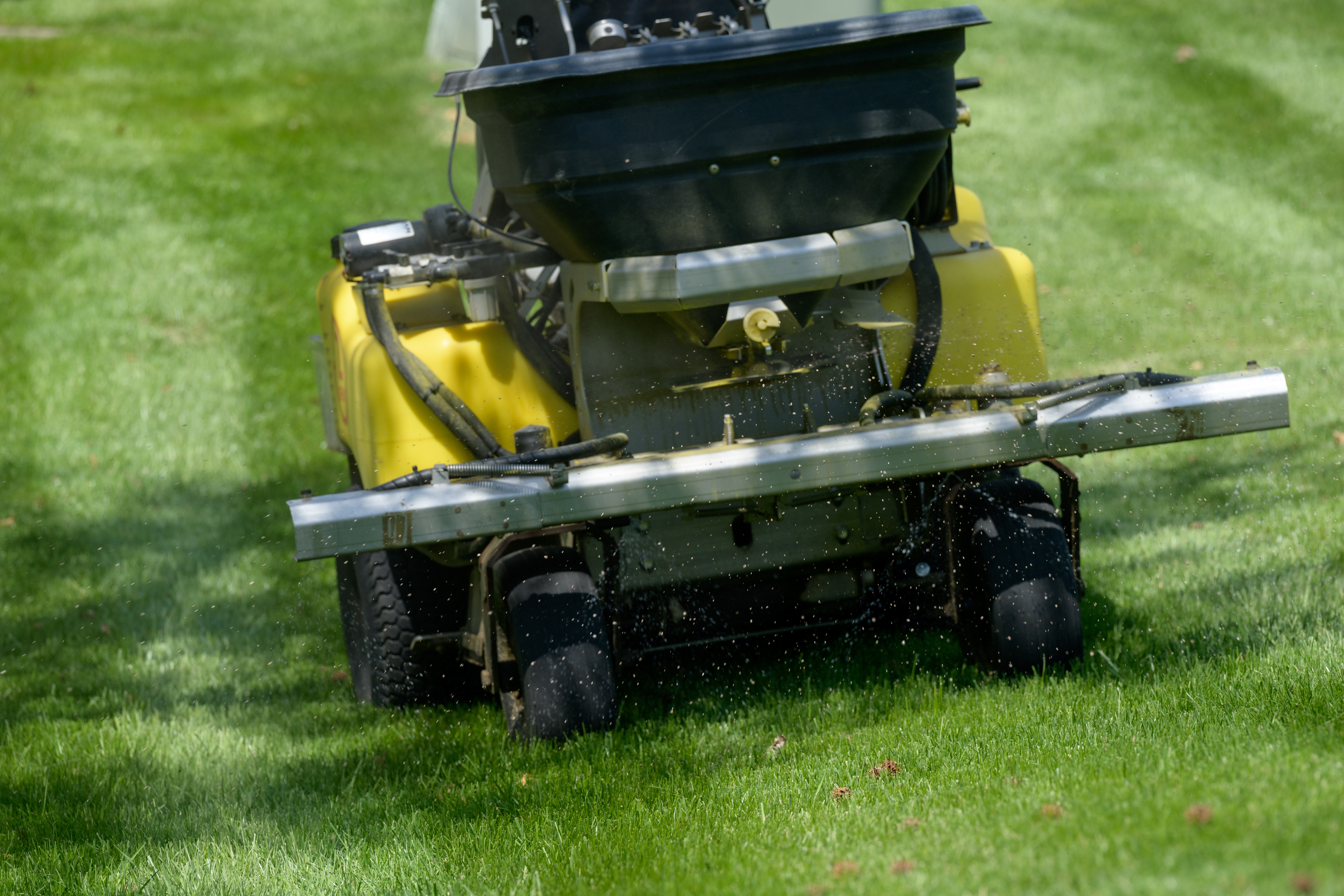
- Calibrate your spreader. Match the spreader setting to the bag label. Test in a small area and adjust as needed.
- Apply around the edges first. Make a border pass, then fill in with overlapping passes to avoid misses or stripes.
- Water lightly. Irrigate about a quarter inch unless a gentle rain is expected. This helps nutrients move into the root zone.
- Sweep hard surfaces. Return any granules on driveways and sidewalks to the lawn immediately.
- Monitor results. Watch color and growth over the next two to three weeks, then adjust future timing and rates accordingly.
Common Mistakes to Avoid
- Fertilizing too early in spring. Wait until the lawn is growing and you have mowed once.
- Overfeeding in summer heat. Light spoon feeds only if the lawn is actively growing and watered.
- Skipping the early fall feeding. This is the most valuable application for cool-season turf in Wisconsin.
- Ignoring the weather. Heavy rain soon after application can wash product away.
- Using too much quick-release nitrogen. This risks burn and surge growth that invites disease.
- Applying phosphorus without need. Follow Wisconsin regulations and soil test guidance.
- Uneven coverage. Poor spreader calibration leads to stripes and wasted product.
Pair Fertilization With Smart Lawn Care
Aeration and Overseeding
Compacted soil and thin turf reduce nutrient uptake. Core aeration opens channels for air, water, and fertilizer to reach roots. Overseeding after aeration adds newer, stronger grass varieties that resist disease and drought. Fertilization during early fall speeds establishment, especially in sunny, high-traffic areas. The doctors of landscaping can complete aeration, overseeding, and lawn fertilization in a single coordinated visit.
Soil Testing and pH Adjustment
Grass uses fertilizer best within a pH range near 6.0 to 7.0. If soil is acidic, lime can raise pH. If it is alkaline, elemental sulfur can help lower pH. Do not guess. Confirm with a soil test, then adjust gradually. Proper pH makes every pound of fertilizer more effective and saves money over time. The Doctors of Landscaping builds plans around real test results, not assumptions.
Mowing and Watering Best Practices
Mow tall and often. Set the mower to leave grass about 3 to 3.5 inches high. Never remove more than one third of the blade length at a time. Taller grass shades the soil, reduces weeds, and builds deeper roots that use fertilizer better. Water deeply and less often, about 1 inch per week including rainfall. Early morning watering reduces evaporation and disease risk. These habits make each fertilization work harder while keeping the lawn resilient.
Your Seasonal Lawn Fertilization Calendar at a Glance
Follow this simple pattern for most Wisconsin cool-season lawns:
- Early spring: Light feeding with pre-emergent if needed
- Late spring to early summer: Moderate slow-release feeding
- Mid-summer: Skip or apply a light, slow-release maintenance dose if the lawn is actively growing
- Early fall: Heavier feeding, ideal with aeration and overseeding
- Late fall: Winterizer application after growth slows
Fine-tune this plan based on your grass type, sun and shade patterns, irrigation, and how the lawn responds. If you prefer a worry-free schedule, the doctors of landscaping can set you up with a plan that fits your property and goals.
Why Homeowners Choose The Doctors of Landscaping
The Doctors of Landscaping is a locally owned and operated company based in Kenosha, Wisconsin, with more than 30 years of experience. What started as a small lawn maintenance business has grown into a full-service provider that handles mowing, edging, clean-ups, planting and bed care, hardscaping, seasonal maintenance, and snow removal for residential and small commercial properties. That means you can rely on one trusted team for every season and every outdoor need.
Our approach to lawn fertilization is built on reliability, proper installation practices, and attention to detail. We calibrate equipment before each job, monitor soil temperatures and weather, follow Wisconsin phosphorus rules, and clean up thoroughly when we finish. We understand how Kentucky bluegrass and fescue lawns behave in our climate, and we build plans that support healthy roots, thick turf, and long-lasting color rather than short bursts of growth.
With free estimates, efficient scheduling, and full clean-up, doctors of landscaping makes professional lawn care simple. If you want a greener lawn this year without the hassle of guessing rates or reading weather charts, let our team handle your seasonal timing, product selection, and application. You will see the difference in spring green-up, summer durability, and fall density.
Ready to Maximize Your Lawn Results?
The best time for lawn fertilization in Wisconsin depends on season and weather, but the formula is simple. Feed lightly in early spring, maintain in late spring, protect the lawn in summer, prioritize a strong early fall feeding, and finish with a late fall winterizer. Combine that timing with good mowing and watering habits, and you will build a healthier, more resilient lawn.
If you are in Kenosha or nearby communities, contact The Doctors of Landscaping for a custom lawn fertilization plan. Our team will assess your turf, discuss your goals, and schedule each application at the ideal time for our local climate. Get your free estimate today and enjoy a lawn that looks great from the first mow of spring to the last snowfall of winter.

Leave A Comment