
Quick Answer and What This Guide Covers
Weed control starts here: discover why Creeping Charlie invades your yard and how to stop it fast with proven tactics. Take back your backyard. Read our guide now. In this blog, you will learn how to identify Creeping Charlie, why it thrives in Southeastern Wisconsin backyards, and the step by step strategies that actually work. You will also see how the doctors of landscaping can help you fix the problem and keep your lawn healthy all year.
What Is Creeping Charlie and Why Does It Spread So Fast?
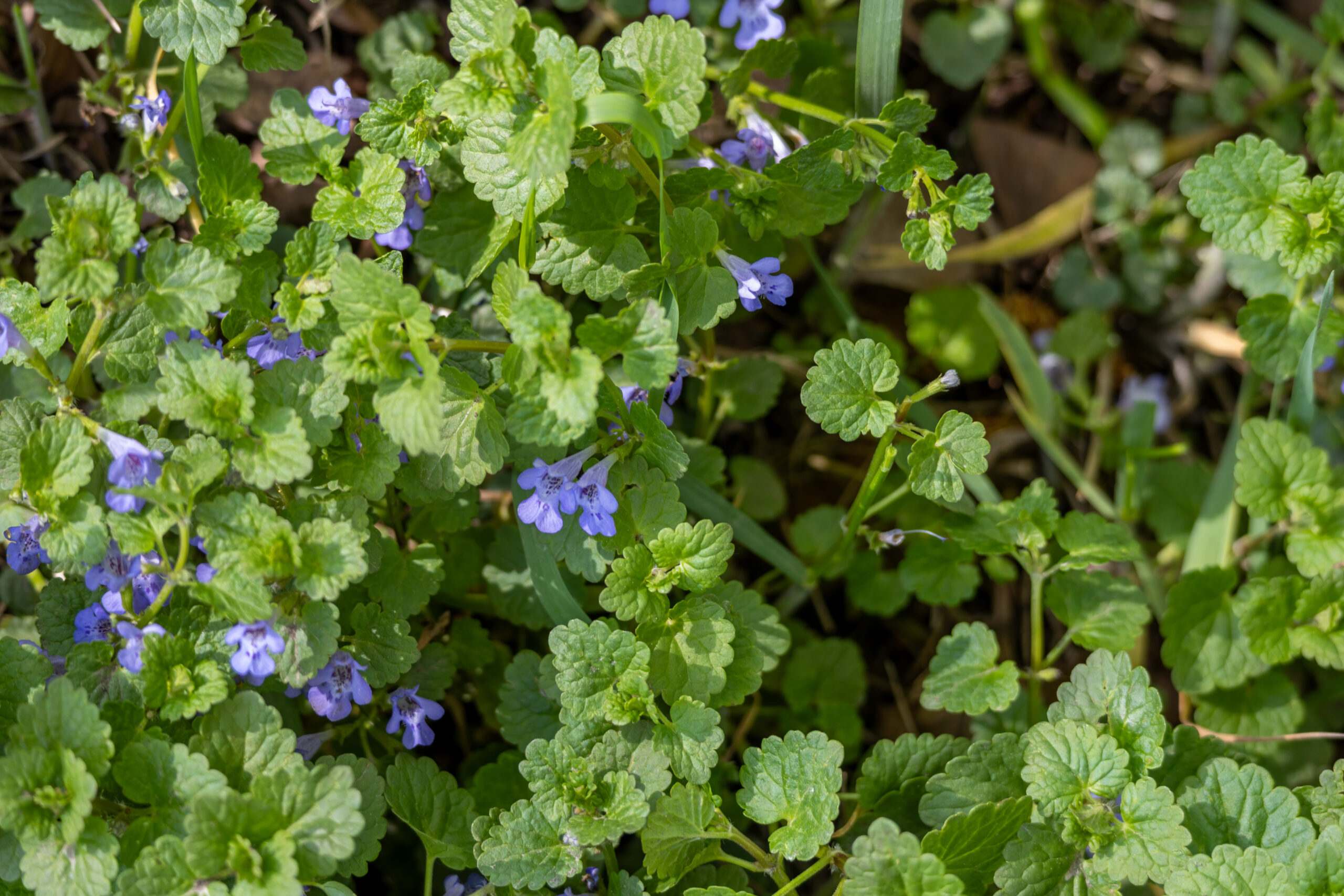
Creeping Charlie, also called ground ivy and known by its botanical name Glechoma hederacea, is a low growing, perennial weed in the mint family. It has scalloped, round to kidney shaped leaves set opposite on square stems. In spring it produces small purple flowers. When you crush the leaves, they give off a mint like scent. This plant spreads by surface runners called stolons. Wherever a stem node touches soil, it can root and form a new plant. That means even a small piece left behind can regrow. Because it is a perennial, it survives winter and returns stronger each year if not treated.
Backyards are perfect for Creeping Charlie because it likes shade, steady moisture, and thin or compacted turf. It scoots under fences, through garden beds, and around patios. It weaves through grass blades and roots along the way, creating a mat that chokes out desirable turf. Many homeowners try to pull it, only to find it back within weeks. Effective weed control for Creeping Charlie requires an integrated plan, not just one quick pass.
Why Your Backyard Is Vulnerable in Wisconsin
Shade and Moisture Create an Advantage for Weeds
In Kenosha and across Southeastern Wisconsin, backyards often have mature shade trees, fence lines, and structures that block sun. Creeping Charlie thrives in those cool, damp pockets. It also takes advantage of irrigation overspray and downspout runoff. Where grass struggles from low light and soggy soil, Creeping Charlie fills the gap and spreads.
Compacted Soil and Low Mowing Weaken Turf
Foot traffic from kids, pets, and outdoor living compacts soil, especially in clay heavy Wisconsin soils. Compaction limits root growth in turfgrass. Low mowing height removes too much leaf surface and further stresses grass. Weak turf leaves bare spots and thin areas that Creeping Charlie exploits. Raising mowing height to about 3 to 3.5 inches and reducing compaction helps your lawn fight back.
Cool Season Turf and Seasonal Growth Spurts
Our common cool season grasses, such as Kentucky bluegrass, perennial ryegrass, and fine fescues, grow best in spring and fall. So does Creeping Charlie. It uses those same ideal windows to spread aggressively. If you skip weed control during these peak times, you will see a surge in growth that is hard to catch later.
How to Identify Creeping Charlie With Confidence
- Leaves: Round to kidney shaped with scalloped edges, opposite each other on the stem
- Stems: Square, creeping along the ground and rooting at nodes
- Flowers: Small purple to blue blooms in spring
- Scent: Mint like aroma when leaves are crushed
- Growth habit: Dense mat that crawls under and through turf and into beds
If you see these traits and a vine like pattern that seems to reappear after hand pulling, you are likely dealing with Creeping Charlie rather than violets or clover. Identifying the weed correctly is the first step in choosing the right weed control method.
Weed Control Basics for Creeping Charlie
Start With Cultural Fixes That Strengthen Your Lawn
Healthy turf resists weeds. Before reaching for herbicides, build a stronger lawn with the following steps.
- Mow high: Aim for 3 to 3.5 inches to shade soil and reduce weed germination.
- Water deeply and less often: One inch per week including rainfall. Avoid daily light watering.
- Fix drainage: Redirect downspouts, level low spots, and reduce overspray from sprinklers.
- Improve soil: Core aerate compacted areas, then topdress with compost to increase organic matter.
- Fertilize wisely: Use a balanced program suited for cool season grasses, especially in fall.
- Overseed thin areas: Use a shade tolerant mix where tree cover is heavy.
These cultural steps make weed control more effective and reduce the chance of a quick rebound.
Mechanical Removal: Where It Helps and Where It Does Not
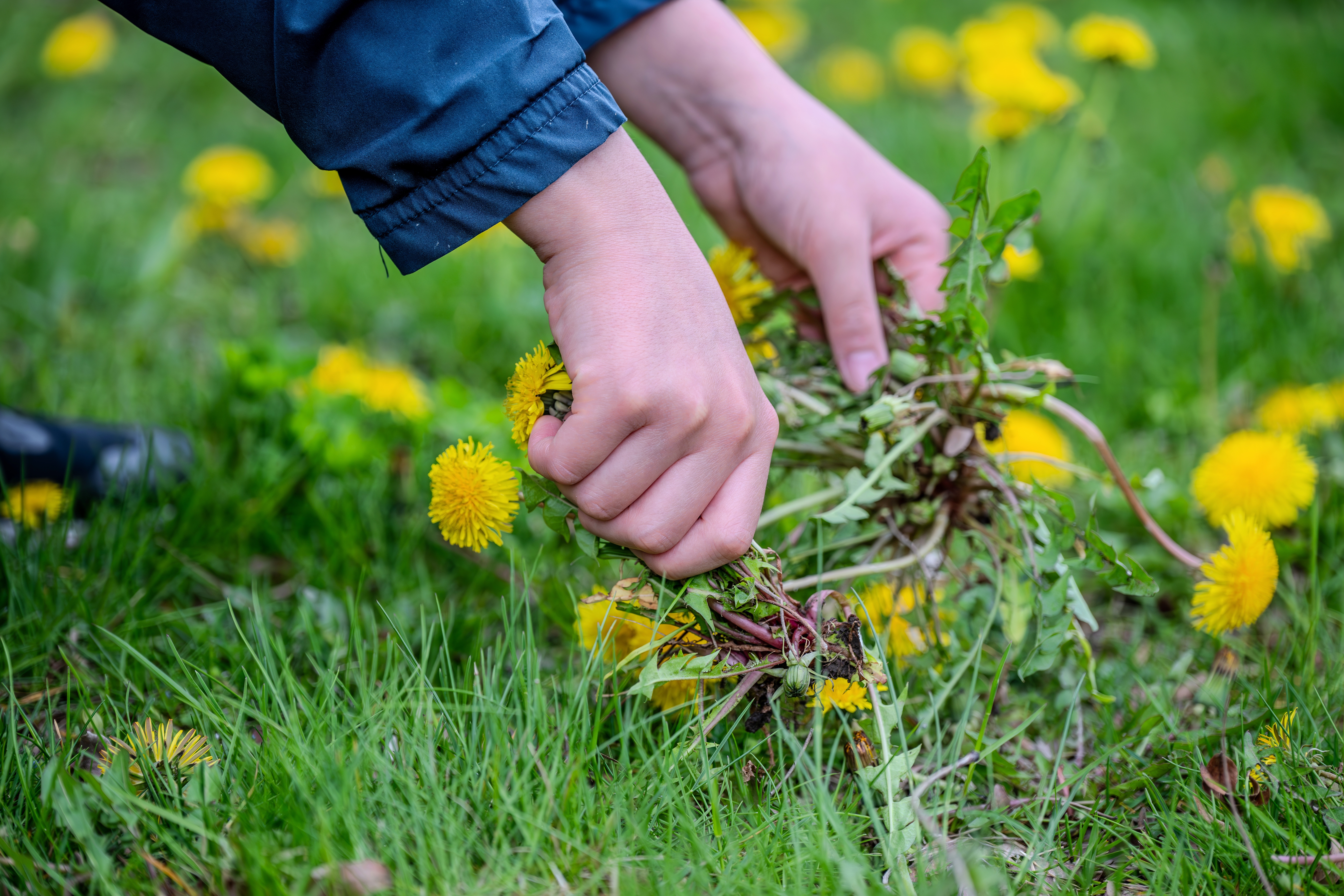
Hand pulling can work in small patches in beds or along edges. Use a weeding fork to lift stems and roots. Water the area first so roots release more easily. Bag all debris. Do not compost fresh runners. In large lawn areas, hand pulling is usually not enough because tiny stem pieces left behind will reroot. Smothering works in planting beds. Cover the patch with cardboard, then add 3 to 4 inches of clean mulch. Keep it in place for a full growing season to starve the roots.
Targeted Herbicide Strategy That Works
Creeping Charlie responds best to selective broadleaf herbicides with triclopyr. Mixes that include triclopyr with 2,4 D and dicamba can improve results. Always read and follow the product label for your turf type and site conditions. A non ionic surfactant helps spray stick to waxy leaves. Timing and technique matter more than sheer product strength.
- Best temperature range: 60 to 80 degrees Fahrenheit, when the plant is actively growing
- Best timing: Fall treatments are most effective because the plant moves energy to roots. Late spring treatments can also work with follow up.
- Application details: Apply to dry leaves. Do not mow 24 to 48 hours before or after. Do not water for 24 hours after application unless the label directs otherwise.
- Repeat interval: A second application 10 to 14 days later improves control. Stubborn patches may need a third pass in fall.
- Safety: Keep people and pets off the area until the spray has dried. Follow all label safety instructions.
A note on pre emergent products. Pre emergent herbicides do not stop Creeping Charlie because it spreads by creeping stems and roots. It is a perennial, not just a seed based annual, so you need targeted post emergent weed control instead.
When to Overseed After Weed Control
Many selective herbicides create a waiting period before seeding. Check your product label. A common window is 2 to 4 weeks. Plan to overseed in early fall to fill thin spots once weed pressure drops. Seed to soil contact is key. After core aeration, spread a high quality seed and keep the area evenly moist until seedlings establish.
Kenosha Area Timing Calendar for Creeping Charlie
- Early spring: Identify patches as green up begins. Start cultural steps like raising mowing height and fixing drainage. Avoid rushing herbicide if hard freezes are still likely.
- Late spring: Apply a targeted post emergent when plants are actively growing. Spot treat heavy areas. Repeat in 10 to 14 days if needed.
- Summer: Focus on watering depth and frequency, mowing high, and reducing compaction. Avoid herbicide use in heat or drought stress.
- Early fall: Make your most important application for long term control. Follow with aeration and overseeding once label timing allows.
- Late fall: Fertilize for winter strength and continue to remove leaves so turf gets light.
A 30 60 90 Day Action Plan to Reclaim Your Backyard
- Days 1 to 30: Raise mowing height to 3 to 3.5 inches. Adjust sprinklers and downspouts. Core aerate compacted zones. Identify all Creeping Charlie patches. Apply a triclopyr based selective herbicide during a mild, dry window. Skip mowing for 48 hours after application.
- Days 31 to 60: Inspect treated areas for regrowth. Make a second spot treatment where leaves remain vigorous. In beds, smother with cardboard and fresh mulch. Bag any pulled material so stems do not reroot.
- Days 61 to 90: In early fall, make a focused follow up application to remaining patches. Then aerate and overseed thin areas with a shade tolerant mix. Topdress with compost to improve soil structure. Keep new seed moist until established.
This plan pairs weed control with lawn rebuilding. When both happen together, you get longer lasting results.
Common Mistakes That Make Creeping Charlie Worse
- Mowing too low and too often, which weakens turf and opens the canopy
- Using pre emergent products alone, which do not stop this perennial
- Pulling runners without removing rooted nodes, then leaving debris on site
- Spraying during heat, drought stress, or just before rain
- Skipping a second application, which allows surviving stems to bounce back
- Ignoring shade and drainage problems, which invite reinfestation
How the Doctors of Landscaping Can Help
The Doctors of Landscaping is a locally owned and operated landscape company based in Kenosha, Wisconsin, with more than 30 years of experience. What began as a small lawn maintenance business has grown into a full service provider that can handle mowing, edging, clean ups, planting beds, patios, walkways, retaining walls, seasonal maintenance, and snow removal. When it comes to weed control, the doctors of landscaping brings detailed, dependable, and customer focused service with the right mix of science and practical know how.
Our team understands local soils, shade conditions, and cool season turf. We use proper installation practices and careful application methods that protect your lawn, your family, and your investment. With efficient scheduling, free estimates, and complete clean up, you work with one trusted partner for every part of your outdoor space, all year long.
Our Proven Weed Control Process
- Inspection and identification: We confirm the presence of Creeping Charlie and check for other weeds that may require different products.
- Site review: We assess shade, soil compaction, drainage, mowing height, and irrigation to find the root causes.
- Custom plan: We design a targeted weed control program with product selection and timing based on your lawn’s condition and the season.
- Application with care: We apply selective herbicides at label rates with proper spray volumes and surfactants for even coverage and results.
- Follow up: We schedule a second visit when needed and verify progress. We recommend aeration, overseeding, and soil improvements to lock in gains.
Service Options to Fit Your Yard
- One time diagnostic and treatment: For focused weed control on defined patches.
- Seasonal weed and feed program: Ongoing visits that combine nutrition with selective weed control.
- Lawn renovation: Aeration, overseeding, and topdressing for dense, resilient turf that resists weeds.
- Bed management: Mulch refresh, edge definition, and smothering strategies to keep beds clean.
- Hardscape upgrades: Patios, walkways, and retaining walls that solve drainage and traffic patterns which contribute to compaction.
- Year round care: From spring and fall cleanups to winter snow removal, the doctors of landscaping keeps your property looking sharp.
Frequently Asked Questions
Is Creeping Charlie harmful to pets or kids?
Creeping Charlie is not considered highly toxic to most pets or people, but eating any plant can cause stomach upset. The bigger concern is safe herbicide use. Keep children and pets off treated areas until sprays are fully dry and always follow label directions.
Will pre emergent stop Creeping Charlie?
No. Pre emergent herbicides block germinating seeds. Creeping Charlie spreads by creeping stems and survives winter as a perennial. Use selective post emergent products with triclopyr and pair them with cultural improvements for best results.
Can I smother Creeping Charlie?
Yes in beds and around shrubs. Use cardboard covered with 3 to 4 inches of mulch and leave it in place through the growing season. This cuts off light and gradually starves the roots. Smothering is not practical for most lawn areas, where selective herbicides are more efficient.
How long until I see results?
Leaves often wilt or darken within a few days after a proper application. Full dieback can take 2 to 3 weeks. A follow up treatment usually improves control. Patches may need reseeding once the weed is suppressed.
Should I bag my clippings?
When Creeping Charlie is flowering or you recently pulled runners, bag clippings so fragments do not reroot in new areas. For regular mowing of healthy turf, mulching clippings is fine and returns nutrients to the soil.
Do I need a surfactant?
Yes, a non ionic surfactant helps the spray stick to the waxy leaves and improves uptake. Check your product label to select a compatible surfactant and correct rate.
What if I have trees and shrubs nearby?
Follow label directions for safe use around ornamentals and avoid spraying in windy conditions. Directed spot treatments reduce drift. The doctors of landscaping uses targeted application methods to protect desired plants.
Pro Tips From the Field
- Test a small area first to confirm turf tolerance if you have mixed grass types.
- Do not spray during drought stress or when temperatures exceed label limits. Wait for a mild, calm day.
- Calibrate spreaders and sprayers so you apply the correct amount. More is not better.
- Pair fall herbicide with aeration and overseeding to close gaps and boost turf density.
- Edge and mulch tree rings to reduce shade competition and make mowing cleaner.
- Clean mower decks and string trimmers after working in infested areas so fragments do not travel.
Get a Yard You Can Use Again
Creeping Charlie is persistent, but you can beat it with smart timing, the right products, and a lawn care plan that strengthens turf. If you want a trusted local partner, the doctors of landscaping is ready to help. With more than 30 years serving Kenosha area homeowners, we deliver reliable weed control, bed care, hardscaping, and year round maintenance that puts your property first. Request a free estimate, get on our efficient schedule, and enjoy a backyard that looks good and works for the way you live.
Your lawn should be a place to relax and play, not a battleground with weeds. Start with the steps in this guide or connect with the doctors of landscaping for a comprehensive plan. Take back your backyard today.


Leave A Comment