
Thin Grass Might Be Warning You: Here Is How to Tell
If you spot thinning patches in your lawn, it is easy to shrug it off as normal wear. But a thin grass lawn problem often signals bigger issues under the surface. Left alone, it can spread fast and turn into bare soil, weeds, pests, and costly repairs. In this guide, you will learn how to recognize warning signs, diagnose the root cause, and fix the problem before it gets out of control. You will also get expert, local advice from the doctors of landscaping, your trusted Kenosha landscaping team with more than 30 years of experience.
Visible Red Flags You Should Not Ignore
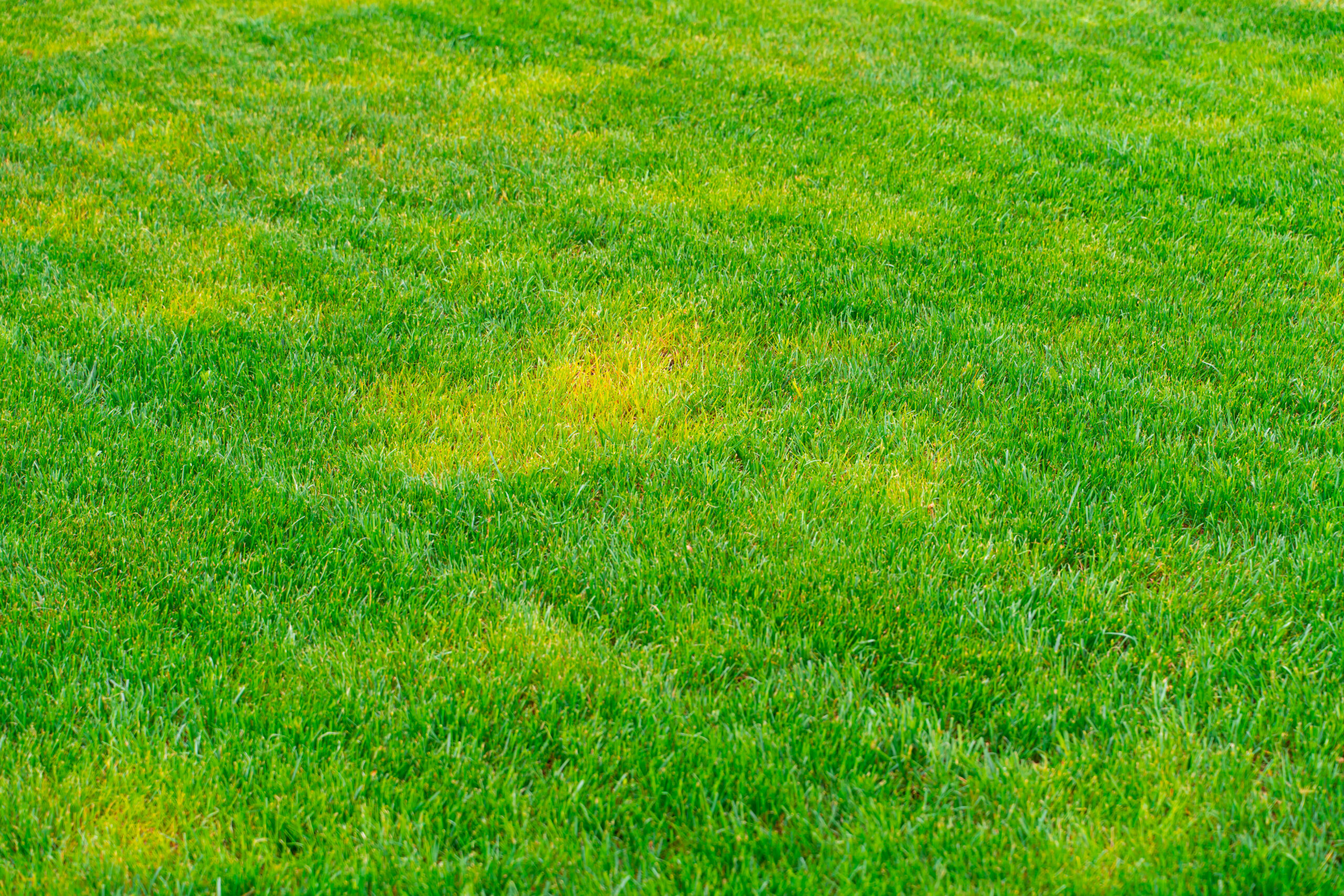
Thin turf is more than an eyesore. It is a symptom that your lawn is stressed. Look for these signs that your thin grass lawn problem is developing into something bigger:
- Patches that keep expanding or merging together
- Grass blades that are pale, streaked, or reddish
- Spongy or bouncy areas underfoot
- Soil that is hard as a rock when dry, or muddy and slick when wet
- Weeds and moss moving into thin areas
- Animal digging, skunk or raccoon activity at night
- Water pooling or running off instead of soaking in
- Edges near sidewalks and driveways that burn out or turn yellow
Hidden Stress You Can Feel or Smell
Some warnings do not show up at first glance. Pay attention to what you feel or smell as you walk the yard. A sour odor can mean poor drainage and thatch buildup. A tight, compacted surface that resists a shovel or screwdriver is a strong clue the roots are suffocating. Turf that lifts up like a carpet can mean grubs are chewing the roots. These hidden signs point to deeper issues causing thin grass.
Seasonal Patterns in Wisconsin
In southeastern Wisconsin, cool-season grasses like Kentucky bluegrass, perennial ryegrass, and fine fescue thrive in spring and fall. If your lawn thins every summer and never bounces back in fall, you likely have soil, watering, or pest issues. If it thins after winter and stays weak into June, snow mold, salt, or crown hydration injury may be to blame. The doctors of landscaping regularly see winter stress along sidewalks and driveways where salt and snow piles linger.
What Causes a Thin Grass Lawn Problem?
Thin grass usually develops when several stressors pile up at once. Here are the most common causes we diagnose in Kenosha and nearby communities.
Compacted Soil and Thatch Choking Roots
When soil particles are pressed tightly together by foot traffic, mowers, or heavy equipment, air and water cannot reach the roots. Roots stay shallow, grass weakens, and thin patches appear. Thatch is a layer of dead stems and roots between the soil and grass blades. If it reaches more than half an inch, it blocks water and nutrients. Compaction and thatch often show up together and are a leading cause of thin grass in high-traffic areas.
Too Much Shade and Plant Competition
Grass needs sun. In deep shade from mature trees, fences, or buildings, turf thins as it stretches for light. Tree roots also compete with grass for water and nutrients. Even shade-tolerant fescues can thin out if the site gets less than four hours of filtered light. Where shrubs or trees crowd turf zones, thinning is usually a light and root competition problem, not just a watering issue.
Watering Problems: Too Little, Too Much, or Uneven
Shallow, frequent watering keeps roots near the surface where heat and drought hit hardest. Overwatering drowns roots and invites disease. Sprinklers that do not overlap properly lead to light and dark stripes of thin areas. Many thin grass lawn problems come from inconsistent watering, especially during dry, windy weeks along Lake Michigan.
Nutrient Imbalance and Soil pH
Grass needs balanced nutrition and the right pH to use it. Acidic or alkaline soil can lock up nutrients. Nitrogen deficiency causes pale, thin growth. Low potassium weakens stress tolerance. Without a soil test, fertilizing is guesswork. We frequently find pH drifting outside the ideal 6.0 to 7.0 range in older lawns or lawns near concrete where lime from runoff alters the soil.
Pests and Disease
Grubs chew roots and cause turf to thin and detach. Chinch bugs, sod webworms, and billbugs can also thin turf. Fungal diseases like dollar spot, leaf spot, or red thread appear more often in lawns that are overwatered, underfed, or cut too short. If thinning shows up in irregular patches that spread despite better watering and mowing, pests or disease are likely involved.
Weed Pressure and Invasive Grasses
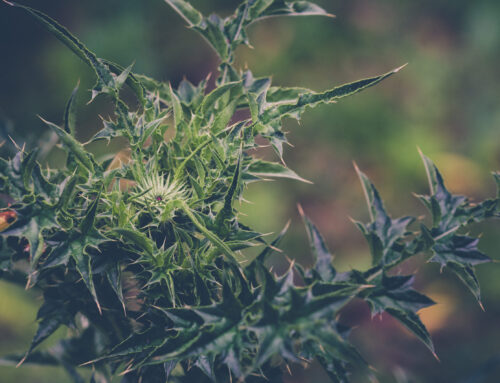
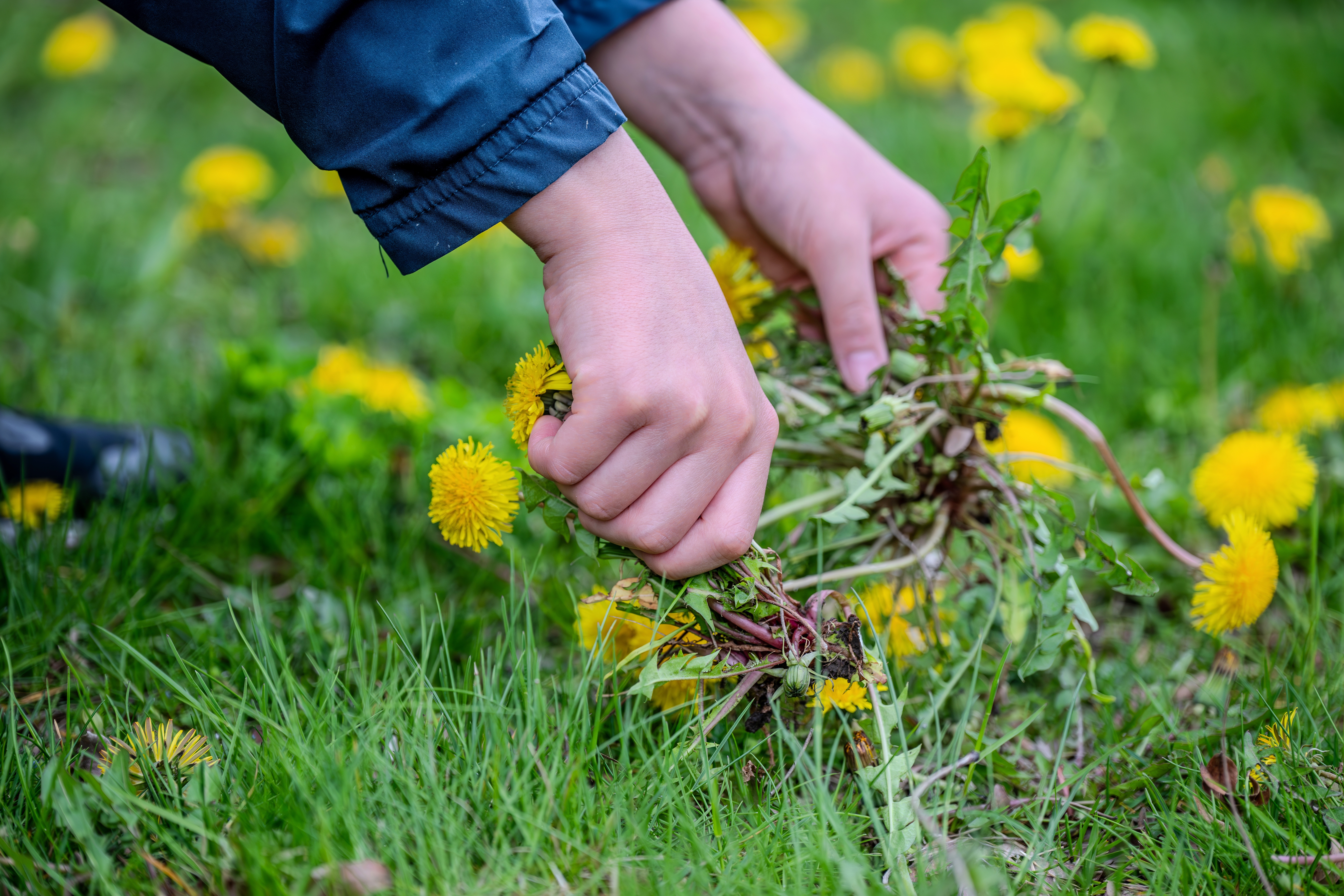
Weeds exploit thin spots. Crabgrass thrives in bare, hot areas. Creeping Charlie invades shady, moist zones. Quackgrass and bentgrass can crowd out desirable varieties and create uneven texture. When weeds outcompete grass, your thin grass lawn problem accelerates and becomes harder to reverse without a plan.
Foot Traffic, Pets, and Winter Damage
Paths worn by kids, pets, or mowers cause compaction and blade damage. Dog urine burns leave straw-colored spots that thin over time. Winter salt near driveways and walkways dries out roots and can kill turf. Snow piled high for months can cause crown damage and mold. All of these leave behind thinning that does not fix itself.
How to Diagnose What Your Lawn Really Needs
Guessing wastes time and money. Use these practical steps to pinpoint the cause of thinning and choose the right fix.
Try These Quick Home Tests
- Screwdriver test: Push a screwdriver into the soil. If it is tough to insert, compaction or dryness is likely.
- Core sample: Use a small shovel to remove a 4 inch plug. Measure thatch. More than half an inch means you need dethatching or core aeration. Look for white, healthy roots. Brown, short roots suggest stress.
- Soapy flush: Mix a tablespoon of liquid dish soap in a gallon of water and pour over a square yard. Watch for chinch bugs or sod webworms surfacing.
- Grub check: Peel back a square foot of turf in thin areas. If you find more than 5 to 10 grubs, you need treatment.
- Jar test for soil texture: Shake soil with water in a jar and let it settle. Sand, silt, and clay layers show your soil type, which guides watering and aeration decisions.
Get a Soil Test
Send a sample to a local lab or university extension service. You will get pH and nutrient levels and recommendations for lime or fertilizer. The doctors of landscaping can collect samples and interpret results for you. Aim for a pH between 6.0 and 7.0 for cool-season grasses, with balanced nitrogen, phosphorus, and potassium based on test results rather than guesswork.
Audit Your Irrigation
Place small containers like tuna cans around the lawn and run your sprinklers for 15 minutes. Measure and compare water depth. Adjust heads so coverage is even, and aim for 1 to 1.5 inches per week in two or three deep waterings during hot weather. If water pools or runs off, you have compaction or thatch problems to address.
Map Sun and Shade
Note where and when shade falls in your yard. If an area gets less than four hours of light, switch to shade-tolerant seed blends or consider a lawn alternative. Trim trees to raise the canopy and allow dappled light. The doctors of landscaping can help balance tree health with lawn needs.
Know When to Call a Pro
If your thin grass lawn problem combines compaction, grubs, shade, and weeds, a pro plan saves time. The doctors of landscaping can assess your site, test your soil, and create a step-by-step treatment that fits Wisconsin seasons and your budget.
Fixing a Thin Lawn: Proven Treatments That Work
Core Aeration and Overseeding
Core aeration pulls small plugs from the soil to relieve compaction, increase airflow, and open channels for water and nutrients. Overseeding right after aeration gives new seed perfect seed-to-soil contact. In Kenosha, the best time is late summer into early fall, when soil is warm, weeds slow down, and rain returns. Choose blends with Kentucky bluegrass for recovery, perennial ryegrass for quick cover, and fine fescue for shade. The doctors of landscaping often pairs aeration with slit-seeding for tough sites, increasing germination and uniformity.
Dethatching and Topdressing
If thatch exceeds half an inch, power rake or dethatch before seeding. Follow with a light topdressing of screened compost about one quarter inch thick. Compost adds organic matter, improves soil structure, and helps seed stay moist. Do not bury the grass. Work the compost in so the tips of blades are still visible.
Fertilize the Right Way
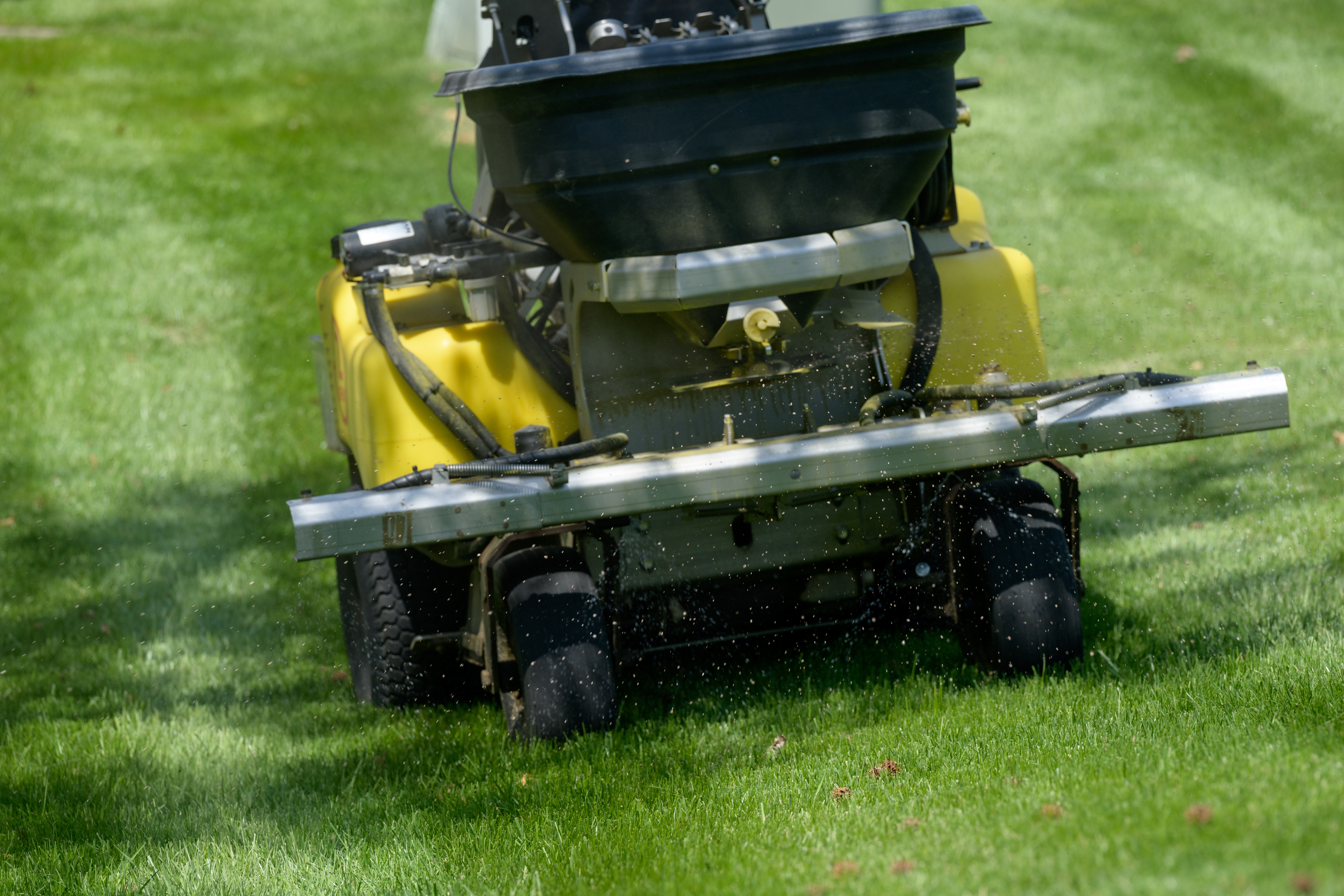
Use a starter fertilizer at seeding with adequate phosphorus where allowed, following the soil test. After establishment, switch to a slow-release nitrogen program with two or three applications per year. In Wisconsin, the most important feeding is in early fall to build roots, then a late fall or early winterizer application when top growth slows. Avoid heavy summer nitrogen that fuels disease and stress.
Dial in Watering
New seed needs consistent moisture. Keep the top half inch of soil damp with light, frequent watering until germination. As seedlings grow, water less often but deeper to train roots down. For established lawns, water deeply 1 to 1.5 inches per week, split in two or three sessions. Water early in the morning to reduce evaporation and disease pressure. Adjust for rain and wind off the lake.
Mow for Health, Not Just Looks
Set your mower at 3 to 3.5 inches for cool-season lawns. Taller blades shade the soil, conserve moisture, and crowd out weeds. Follow the one-third rule and never cut off more than one-third of the blade at a time. Keep blades sharp to avoid shredding tips, which invites disease. Leave clippings unless they clump. They recycle nutrients and thicken turf over time.
Integrated Pest and Disease Management
For grubs, preventive treatments in late spring to early summer can protect your lawn before damage occurs. Curative treatments can help if you already see thinning and confirmed grub counts. Always follow label directions. For fungus, adjust watering, mowing height, and nitrogen first. Most disease pressure drops when you improve drainage, reduce thatch, and feed properly. If shade is the driver, switch to blends with more fine fescue or rethink whether turf is the best choice for that zone.
Spot Repair vs Full Renovation
If less than half your lawn is thin, spot repair with aeration, overseeding, and fertilizer usually works. If more than 50 percent is weak or invasive grasses dominate, a full renovation is more efficient. That means killing the existing turf, correcting soil issues, and reseeding or sodding. Sod provides instant cover and erosion control, while seed offers more variety and lower cost. The doctors of landscaping can help you choose the best route for your site and timeline.
Prevent Thin Grass From Coming Back
A Simple Seasonal Calendar for Southeastern Wisconsin
- Early spring: Clean up debris, test soil, apply a pre-emergent for crabgrass if needed, sharpen mower blades.
- Late spring: Fertilize if soil test recommends, adjust irrigation, spot-treat weeds, monitor for early pests.
- Summer: Mow high, water deeply but less often, address hot spots and traffic patterns, watch for grubs and disease.
- Late summer to fall: Core aerate, overseed, topdress, and fertilize. This is the prime window to thicken turf.
- Late fall: Final mowing at normal height, apply a winterizer fertilizer as top growth slows, manage leaves so they do not mat.
- Winter: Mark sprinkler heads and curb edges to avoid plow damage, use pet-safe or calcium chloride ice melt near turf edges, avoid piling snow all on one spot.
Smart Irrigation Upgrades
Consider a controller with a rain sensor, matched nozzles, and head-to-head coverage. Fix leaks and adjust arcs so you are not watering sidewalks. For beds, drip irrigation reduces waste and keeps water off foliage, which helps prevent disease spread to adjacent turf.
Protect the Edges and Hardscapes
Edges along concrete and asphalt heat up and dry out faster. Use salt-tolerant grass varieties near driveways or install a buffer strip of decorative stone or mulch. This prevents salt burn and thinning and makes winter maintenance easier.
Lawn Alternatives for Difficult Spots
In deep shade, on slopes, or in heavy traffic corridors, consider groundcovers, ornamental beds, or stepping stones. Fine fescue mixes can handle light shade, but if the area gets less than four hours of filtered light, non-turf solutions are more sustainable. The doctors of landscaping designs transitions that look great and reduce future maintenance.
Why Choose The Doctors of Landscaping
Local Experience You Can Count On
The Doctors of Landscaping is locally owned and operated in Kenosha, Wisconsin, with more than three decades of hands-on experience. What started as a small lawn service has grown into a full-service provider with mowing, edging, bed work, hardscaping, seasonal cleanups, and snow removal. Our team understands Lake Michigan weather, local soils, and the specific challenges that cause a thin grass lawn problem in our area. We are known for dependable scheduling, detailed work, and proper installation practices that last.
What to Expect From a Lawn Assessment
- On-site evaluation: We walk the lawn, take core samples, and check shade, drainage, irrigation, and traffic patterns.
- Soil testing: We collect samples and send them to a trusted lab. You get clear, written results.
- Customized plan: We outline aeration, overseeding, fertilization, watering changes, and pest controls tailored to your lawn.
- Efficient scheduling: We plan work around the best seasonal windows for Wisconsin.
- Clean, complete service: We leave your property tidy and provide instructions to protect your investment.
- Follow-up: We monitor results and adjust as needed so your thin grass lawn problem does not return.
Frequently Asked Questions
How long does it take to thicken a thin lawn?
With aeration, overseeding, and proper watering, you should see new growth in 7 to 21 days depending on seed type and weather. Most lawns look noticeably fuller in 4 to 8 weeks. The biggest improvements come in the fall growing season and carry into the next spring.
Is aeration messy?
Aeration leaves soil cores on the surface that break down in a week or two with rain or irrigation. They feed microbes and help reduce thatch. You can mow over them. The short-lived mess is worth the long-term health benefits.
Can I fix thin grass by just fertilizing more?
Over-fertilizing can make thinning worse by stressing roots and fueling disease. If compaction, shade, or grubs are the real problem, fertilizer alone will not fix it. Start with soil testing and address the root causes first.
Do I need to water in winter?
In southeastern Wisconsin, lawns are dormant in winter and generally do not need watering. Focus on preventing salt damage, keeping snow from piling in one spot, and steering traffic off frozen turf to avoid crown damage.
How do I know if grubs are causing the thinning?
Look for turf that lifts easily like a carpet, animals digging for snacks at night, and wilting despite watering. Check under the turf for C-shaped white grubs. If you count more than 5 to 10 per square foot, treatment is recommended.
Ready to Solve Your Thin Grass Lawn Problem?
A thin lawn does not have to define your yard. With the right diagnosis and a targeted plan, you can turn patchy turf into a dense, resilient lawn. The doctors of landscaping offers free estimates, expert soil testing, and seasonally timed services to bring your lawn back fast. Whether you need aeration and overseeding, irrigation adjustments, pest control, or a full renovation, our team delivers reliable results and complete cleanup. If you live in Kenosha, Pleasant Prairie, Racine, or nearby, contact The Doctors of Landscaping today and take the first step toward a thicker, healthier lawn that looks great all year.

Leave A Comment