
Why Clean Edges Matter More Than You Think
Most people notice a lawn first by its shape. That shape is set by the edges where grass meets hard surfaces, flower beds, and tree rings. Clean edges frame your yard like a picture frame around art. They make everything look intentional and polished. For homeowners and small businesses in Kenosha, crisp lines also signal good maintenance and boost curb appeal during the growing season and before winter sets in.
Clean edges are more than a look. They make mowing faster, keep mulch in place, protect your plantings from turf creep, and cut down on weeds. They also help water drain off sidewalks and driveways instead of pooling along a shaggy fringe of grass. If you want your property to stand out on your block, edges are the fastest way to upgrade the entire view in a single day.
What Counts as a “Clean Edge”
Along Sidewalks and Driveways
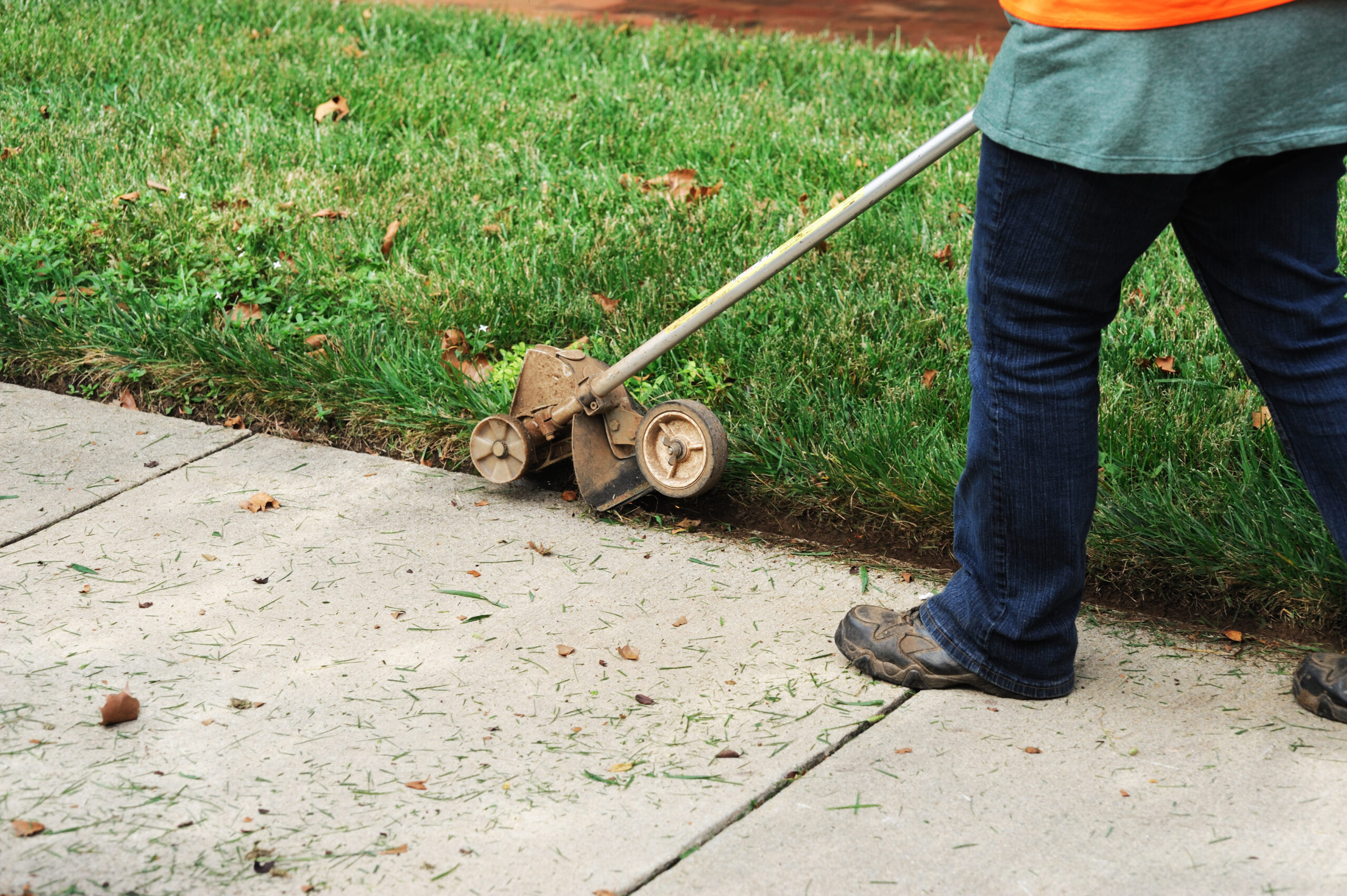
A clean edge along concrete or asphalt is a straight, vertical cut that separates turf from the hard surface. The line should be square to the pavement and consistent in depth, usually about 1 to 2 inches. The turf should not flare or feather over the edge. When done right, the blade of your mower can pass close to the line without hitting concrete, and there will be no tufts left behind.
Around Garden Beds
For landscape beds, a clean edge is a defined trench that keeps mulch and soil in place while keeping grass out. This edge is often cut at a slight inward angle so mulch sits below the lawn surface. The trench should be wide and deep enough to stop turf runners from jumping into the bed, yet subtle so it looks natural.
Tree Rings and Obstacles
Tree rings should be clean circles that protect the trunk, roots, and irrigation. The radius should allow a mower to circle the tree without bumping bark. Around posts, utility boxes, and mailbox pads, clean edges prevent stringy grass clumps and reduce trimmer damage.
Transitions Near Patios, Walkways, and Retaining Walls
Where turf meets pavers, walls, or steps, the line should be uniform and match the geometry of the hardscape. Straight lines should be straight. Curves should flow without kinks. Consistency is what makes everything look professional.
Edging vs Trimming vs Curbing
These words get used together, but they are not the same job.
- Edging: Vertical cutting to define a border and separate materials. This sets a distinct line.
- Trimming: Horizontal cutting with a string trimmer in places a mower cannot reach, like fence lines or around posts. Trimming evens height but does not create a border.
- Curbing or edging materials: Physical materials like steel, aluminum, paver restraints, or concrete that hold shape long-term. This is a design choice as much as a maintenance tool.
Most lawns need edging and trimming every visit during peak growth to stay sharp. Curbing is optional and used when you want a permanent separator or a specific design style.
Tools and Techniques That Deliver Pro Results
Manual Tools for Precision
Manual tools give control and are ideal for touch-ups or establishing bed edges.
- Half-moon edger: Great for creating new bed lines and refining curves.
- Flat spade: Works for cutting a defined trench for garden beds and removing turf sod.
- Hand cultivator: Loosens soil inside the trench so you can smooth the shape.
Power Tools for Efficiency
Power tools save time and create consistent results across long runs.
- Blade edger: Cuts a sharp, vertical edge along sidewalks and driveways. Use the guide wheel for uniform depth.
- String trimmer set vertical: Useful for light maintenance between blade edger passes, but easy to overcut if you are not careful.
- Bed redefiner: Cuts a smooth, flowing trench around landscape beds and tree rings.
Pro Settings That Matter
- Depth: 1 to 2 inches is typical for turf-to-hard-surface lines. Deep enough to stop overgrowth, not so deep that soil collapses.
- Speed: Let the blade do the work. Move at a steady pace to avoid scallops and burn marks.
- Line orientation: Keep blade edges vertical along pavement. Use a slight inward angle for bed edges to hold mulch.
- Frequency: Weekly or biweekly during peak growth. Monthly touch-ups in slower periods.
Step-by-Step: How to Create Clean Edges
Sidewalks and Driveways
- Mark hazards: Flag irrigation heads, shallow wires, or uneven slabs.
- Make the first pass: Use a blade edger to cut a straight vertical line, following the pavement edge.
- Remove debris: Blow soil and clippings off the surface and out of the groove.
- Second pass if needed: Recut thick thatch or heavy overgrowth.
- Trim and mow: Trim fence lines and mow right up to the new edge for a clean finish.
- Final cleanup: Bag or blow away debris so the line is visible and safe.
Garden Beds and Tree Rings
- Lay out the shape: Use a hose or rope to mark smooth curves or straight lines.
- Cut the edge: Use a half-moon edger or bed redefiner to create a trench with a slight inward angle.
- Remove turf: Lift out the sod strip cleanly to prevent regrowth.
- Shape and smooth: Rake the trench so it looks consistent along the length.
- Mulch correctly: Keep mulch an inch below the edge top. Do not bury the edge or tree flare.
- Maintain: Touch up with the redefiner each season and after heavy rains.
Seasonal Strategy for Kenosha Lawns
Kenosha lawns are mostly cool-season grasses like Kentucky bluegrass, perennial ryegrass, and fescue. These thrive in spring and fall. Edges grow out fast during these windows, and they flatten during heat waves. Lake Michigan brings extra moisture and wind that can push mulch and clippings around, so consistent edging and cleanup are key.
- Early spring: Reestablish all edges after snowmelt. Repair any damage from plows and ice melt along curbs and sidewalks.
- Late spring: Weekly or biweekly touch-ups while growth is strong.
- Summer: Maintain with shallow passes to avoid stressing turf during heat and drought.
- Early fall: Redefine edges before overseeding or topdressing. Clean lines help seed stay put.
- Late fall: Final pass before winter so snow removal does not rip at overgrown edges.
If you need help building a schedule that fits your yard and budget, a lawn care service kenosha provider can set up a plan that aligns with the local growing cycle.
Avoid These Common Edging Mistakes
- Scalloping: Wavy lines along sidewalks happen when speed changes. Move at one steady pace.
- Overcutting: Cutting too deep invites soil collapse and weeds in the gap.
- Mulch volcanoes: Piling mulch over bed edges or tree trunks looks messy and harms plants.
- Skipping cleanup: If dirt and clippings sit on the pavement, the edge looks unfinished and can stain surfaces.
- Using only a string trimmer: It can shave grass but will not set a proper border.
- Ignoring irrigation: Cutting over hidden heads breaks them. Mark and work around utilities.
How Clean Edges Help Lawn Health
Clean edges cut down on turf encroachment into beds, which reduces stress on shrubs and perennials. Neat borders reduce thatch buildup and moisture trapping where fungus can start along hard surfaces. They also make mowing more efficient so you do not have to make extra passes that scalp edges. Good edges guide water runoff off the pavement and into turf or beds where it belongs, which helps prevent washouts and soil loss.
When to Add Permanent Edging Materials
Some designs benefit from permanent restraints. These help when you have high foot traffic, sloped beds, or a modern look with sharp geometry.
- Steel or aluminum edging: Low profile, flexible curves, long life. Great for clean, modern lines.
- Paver edge restraint: Holds patios and walkways, keeps pavers stable through freeze and thaw.
- Concrete curbing: Durable and noticeable. Works well for high-traffic beds and commercial sites.
- Natural stone: Rustic look. Needs careful base prep to prevent drift or tipping.
The Doctors of Landscaping can help you decide where a simple cut edge is best and where a structural solution will save maintenance long term. Their crews understand Kenosha soils and the freeze-thaw cycles that put pressure on edging materials every winter.
Why Choose The Doctors of Landscaping for Clean Edges
The Doctors of Landscaping is a locally owned and operated landscape company in Kenosha with more than 30 years of experience. What started as a small lawn maintenance team has grown into a full-service provider. Services include lawn mowing, edging, and clean-up; bed and planting services; hardscaping like patios, walkways, and retaining walls; seasonal maintenance including spring and fall cleanups; and snow removal for residential and small commercial properties. The company is known for reliability, proper installation practices, and attention to detail.
When you hire The Doctors of Landscaping for edging, you get consistent lines, careful cleanup, and crews that protect your irrigation and hardscapes. They schedule efficiently, arrive on time, and leave your property ready for use. You also get one team you can trust year-round for mowing, mulch, patios, and snow. For a lawn care service kenosha residents rely on, doctors of landscaping delivers both aesthetics and function.
Ready to see what clean edges can do for your curb appeal? Book your estimate today. Ask for a free quote, and the team will walk your property, outline options, and provide a clear plan for ongoing maintenance or a one-time refresh.
How Edging Fits With Full-Service Care
Edges are a small part of a bigger picture. The best results come when edging is paired with mowing, trimming, and seasonal cleanups. In spring, edging sets the framework for new growth. In summer, light touch-ups keep the look fresh without stressing the turf. In fall, a thorough redefine prepares beds for leaf drop and winter. When snow season arrives, clean edges reduce turf damage from plows and make spring recovery easier.
Because The Doctors of Landscaping also installs patios, walkways, and retaining walls, they bring hardscape knowledge to every edging job. They know how to protect paver borders, maintain proper base support, and avoid undermining the edge restraint that keeps pavers tight. That technical know-how helps your whole landscape last longer.
DIY or Hire a Pro?
If you enjoy yard work and have a small property, you can get close to pro results with the right tools and patience. Still, many homeowners find that hiring a lawn care service saves time, produces straighter lines, and prevents accidental damage. Pro crews use commercial edgers and bed definers that cut faster and cleaner. They also know when to switch techniques when they hit thick thatch, roots, or uneven concrete.
If you want a one-time overhaul followed by easy DIY maintenance, consider having The Doctors of Landscaping set the edges and outline a schedule. Then you can maintain with periodic touch-ups. If you prefer a set-it-and-forget-it plan, schedule weekly or biweekly visits during peak growth and monthly service when growth slows.
Quick Checklist: What a Pro Edge Service Should Include
- Walkthrough and hazard marking for irrigation and utilities
- Vertical blade edging along all hard surfaces
- Bed redefining with inward-angled trenches where needed
- Removal of sod strips and debris
- Precision trimming around posts, trees, and obstacles
- Mowing to match the new edges
- Blowing and cleanup of all paved areas
- Recommendations for mulch, curbing, or repairs
FAQs: Clean Edges for Kenosha Properties
How often should I edge my lawn in Kenosha?
Most properties do best with edging every week or every other week in spring and early summer, then as needed during slow growth. After fall cleanups, one last pass keeps lines crisp through winter.
Is a string trimmer enough for clean edges?
A string trimmer helps with quick touch-ups, but it does not cut a vertical line as cleanly as a blade edger. For thick overgrowth or long runs, use a blade edger first, then maintain with a trimmer set vertical for light passes.
What depth should I edge to?
About 1 to 2 inches along hard surfaces is typical. For bed edges, make a trench deep enough to hold mulch below the lawn level. Avoid deep cuts that collapse or collect debris.
Do permanent edging materials reduce maintenance?
Yes, in the right places. Steel or aluminum edging and paver restraints keep lines true and stop mulch migration. They do not replace mowing or trimming, but they cut down on re-shaping work. The Doctors of Landscaping can recommend materials based on your soil, slope, and design goals.
Can edging damage my irrigation?
It can if you cut over shallow lines or heads. Always flag irrigation and work carefully around it. Pro crews are trained to watch for telltale signs and adjust depth.
Get the Clean-Edge Look With Local Pros
If you want a lawn that looks sharp from the street, start with edges. The right tools, depth, and schedule make all the difference. For a lawn care service kenosha homeowners and small businesses can count on, contact The Doctors of Landscaping. Their team brings decades of experience, dependable scheduling, complete cleanup, and a full suite of services to support your outdoor space all year. Book your estimate today and get a free quote now. Your curb appeal will thank you tomorrow.



Leave A Comment