
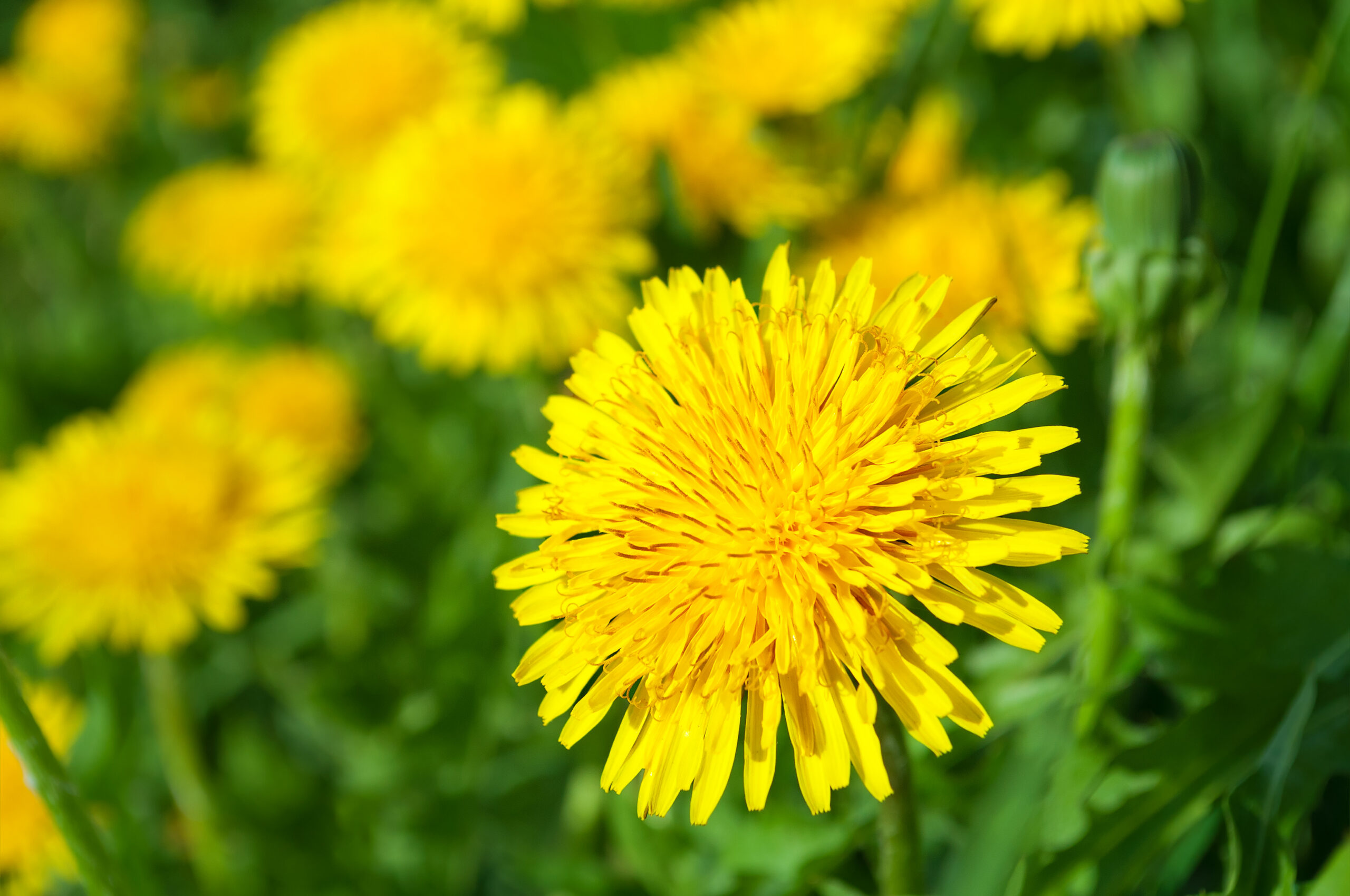
Weed control made simple starts here. If your front yard looks like a sea of yellow this spring, you are not alone. Dandelions love cool nights, moist soil, and thin turf. With the right timing, tools, and techniques, you can reclaim your lawn fast and keep it green all season. In this guide, the team at the doctors of landscaping shares proven, step by step methods that work in Kenosha, Wisconsin, and across the Upper Midwest. You will learn how to target dandelions today and prevent them from coming back.
Why Dandelions Took Over This Spring
The dandelion life cycle explained
Dandelions are hardy perennials. They wake up early in spring, grow a deep taproot, and send up bright flowers that turn into puffball seed heads. Each puffball holds dozens of seeds that float on the wind. If a single plant survives mowing and sets seed, it can spread across a lawn quickly. Understanding this life cycle is the first step to smarter weed control. The taproot stores energy. If you only break off leaves or pop off flowers, the plant often rebounds. To win, you must exhaust the root or kill it completely.
Conditions that favor dandelions
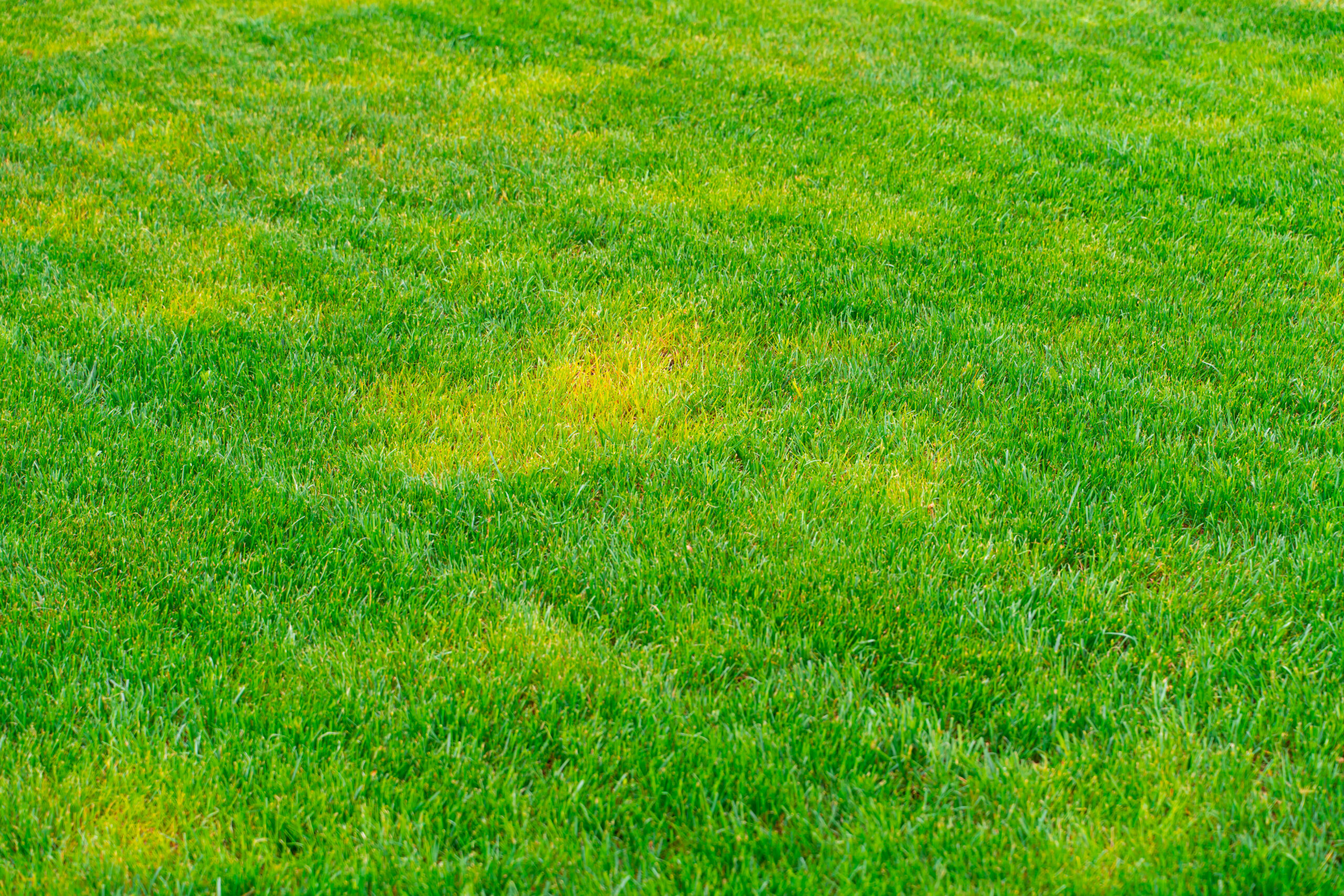
Dandelions compete best in thin, compacted, or nutrient poor turf. They also thrive in soil that drains poorly or stays wet in spring. Lawns in Kenosha and nearby areas often face freeze thaw cycles that open bare spots. Winter salt splash and foot traffic can also thin grass near walks and drives. Wherever grass is weak, dandelions move in. Good weed control addresses both the weed and the reasons your turf lost ground.
How seeds spread faster than you think
A single dandelion can release 50 to 150 seeds, and those seeds can travel far on a breezy spring day. They also hitchhike on lawn mowers, pets, and shoes. This is why one neglected yard on a block can seed many others. Fast action limits spread. Bag heavy seed heads when mowing during peak bloom. If you have time for only one chore today, cut and bag the puffballs, then treat the leaves as soon as you can.
The fastest path to weed control in a dandelion lawn
An integrated plan gives you fast results now and long term prevention. The doctors of landscaping recommends a two track approach: treat the weeds you see and grow a thicker, stronger lawn that resists new weeds. Here is the sequence that works in spring and early summer.
- Mow high before treatment to expose leaves. Set your mower to about 3 to 3.5 inches.
- Spot spray or blanket spray a selective broadleaf herbicide when leaves are dry and temps are 60 to 85 degrees.
- Wait the labeled interval, then mow again and bag any new seed heads you see.
- Feed the lawn with a slow release fertilizer to help grass outcompete weeds.
- Overseed thin areas with a cool season mix matched to your sun exposure.
- Water deeply but not often to push roots down and reduce surface moisture.
- Plan a fall follow up because fall treatments move best into the taproot.
Choosing the right weed control products
Selective broadleaf herbicides for dandelions
Look for selective products labeled for dandelions and safe for cool season turf like Kentucky bluegrass, perennial ryegrass, and fescue. Common active ingredients include 2,4-D, MCPP, dicamba, and triclopyr. These move through the leaf into the root and work best when the plant is actively growing. Always follow the label. Do not mow or water within the window the label states. This allows the product to reach the taproot.
Nonselective products and caution
Nonselective herbicides kill any green plant they touch, including your grass. They have a place for cracks, drive edges, and gravel, but they are risky on a lawn. If you use them, use a shielded sprayer, calm weather, and a light hand. For most yards, a selective broadleaf herbicide is the smarter path to weed control that keeps your turf intact.
Pre-emergent is not the main tool for dandelions
Pre-emergent products are great for crabgrass, but they are less reliable on dandelions. Many dandelions in your yard are established perennials, not fresh seedlings. If you want pre-emergent help, choose a product labeled for dandelion seedlings and apply at the right soil temperature. Still, focus most of your effort on post-emergent treatment and lawn thickening.
Natural and low impact options
If you prefer low impact weed control, there are options, but they often require more effort and repeat treatments. Iron based herbicides can injure broadleaf weeds while being gentler on grass. Vinegar based sprays burn leaves but usually miss the taproot. Boiling water can kill small rosettes in cracks but is not practical for a full lawn. Hand pulling with the right tool remains one of the most effective natural methods if you remove the full taproot. Many of our clients in Kenosha choose a hybrid plan that uses selective spot spraying for large patches and hand pulling for scattered plants.
Timing matters in Wisconsin
When the timing is right, weed control works faster and you use less product. In our area, the best spring window for post-emergent dandelion control is when days are 60 to 75 degrees and plants have full rosettes of leaves. Aim for morning or early evening, not midday heat. Avoid spraying right before rain. If your yard is full of flowers and seed heads, mow and bag, wait a day or two for new leaves to expand, then treat. Also plan for a fall application. In late September and October, dandelions pull energy down into the taproot as they prepare for winter. That makes fall the single best time to deliver a knockout blow.
Manual removal that works
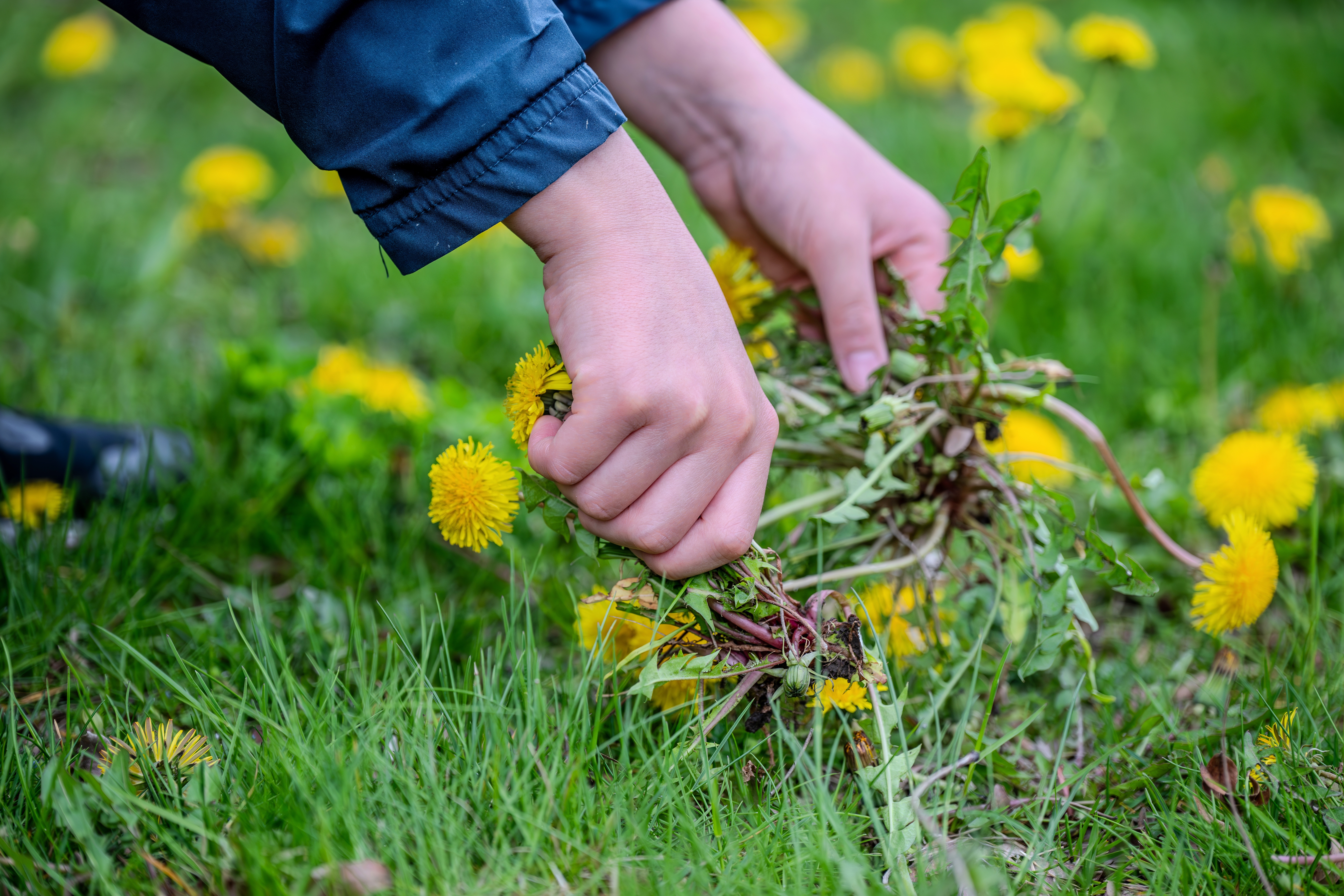
Hand pulling can be very effective if you remove the taproot. Moist soil makes this easier. Water the area the night before or tackle weeds after a soaking rain. Work methodically so you do not snap the root.
Tools you will want
- Dandelion digger or weeding knife with a narrow, notched tip
- Hand trowel for prying compacted soil
- Bucket or tarp for collecting weeds with seed heads
- Gloves and knee pads for comfort
Step by step hand pulling
- Loosen the soil 2 to 4 inches away from the crown with your tool.
- Slide the notched tip along the taproot and lever gently to lift.
- Grasp low at the crown and pull straight up while prying.
- Inspect the hole. If you see root still in place, repeat until clear.
- Backfill the hole with soil and seed the spot so grass fills in fast.
Lawn care practices that prevent weeds
Strong turf is your best long term weed control. In Kenosha and the surrounding lakeshore, cool season grasses respond well to a few simple habits.
Mowing height and frequency
Set your mower at 3 to 3.5 inches. Taller grass shades the soil and blocks dandelion seedlings from getting light. Mow often enough to remove no more than one third of the blade. Sharp blades make clean cuts that reduce stress.
Fertilizing for steady growth
Feed your lawn 2 to 4 times per year depending on turf type and irrigation. We like a spring application after the first flush of growth, a light summer feeding if needed, and a heavier fall application that fuels root growth. Choose slow release nitrogen and balanced nutrients based on a soil test. Over fertilizing can push weak, disease prone growth, so follow a plan.
Overseeding thin areas
Thick grass crowds out weeds. Overseed bare or thin spots in spring and again in fall. Match seed to site conditions. Use sun and shade mixes as needed. After seeding, keep the surface moist until sprouts are 1 to 2 inches tall, then transition to deeper, less frequent watering.
Watering the right way
Deep and infrequent watering trains roots to grow down. Aim for one inch per week from rain and irrigation combined, delivered in one or two sessions. Early morning watering reduces evaporation and disease risk. Avoid daily, shallow watering that keeps the surface damp and favors weed seeds.
Soil health and pH
Most cool season lawns prefer a pH between 6.0 and 7.0. A simple soil test can guide lime or sulfur adjustments. Aeration relieves compaction and improves root growth. Topdressing with a thin layer of compost can add organic matter and improve moisture balance. Healthy soil grows dense turf that resists dandelions naturally.
Safety, neighbors, and pets
Read every product label before use and follow protective gear recommendations. Keep children and pets off treated areas until the label says it is safe. Notify nearby neighbors if drift could affect their gardens. Choose calm, cool times of day for spraying to reduce drift and evaporation. If you maintain a pollinator garden, avoid spraying near flowering ornamentals and time lawn treatments when bees are less active.
Common weed control mistakes to avoid
- Spraying right before rain, which washes product away
- Mowing immediately after treatment, which reduces leaf uptake
- Using nonselective herbicide on the lawn and burning good turf
- Poor calibration that over or under applies product
- Skipping fall treatment, the strongest season for root kill
- Ignoring soil and turf health, which invites new weeds
When to call the pros
If your yard is wall to wall dandelions or you prefer a hands off plan, the doctors of landscaping can help. We are a locally owned team in Kenosha, Wisconsin, with more than 30 years of experience. Our crews combine precise weed control with smart turf care so you get quick results and long term stability. We understand local soils, lake effect weather, and the timing that works best for cool season lawns in our region. We also offer lawn mowing, edging, bed care, planting, patios, walkways, retaining walls, seasonal cleanups, and snow removal. That means one trusted provider for every season, and a lawn plan that integrates with your landscape and hardscape goals.
Our process at The Doctors of Landscaping
- Inspection and diagnosis. We walk your property, identify weed pressure, turf species, sun patterns, and soil issues.
- Custom plan. We design a weed control and lawn health program tailored to your yard, including product choices, timing, and cultural practices.
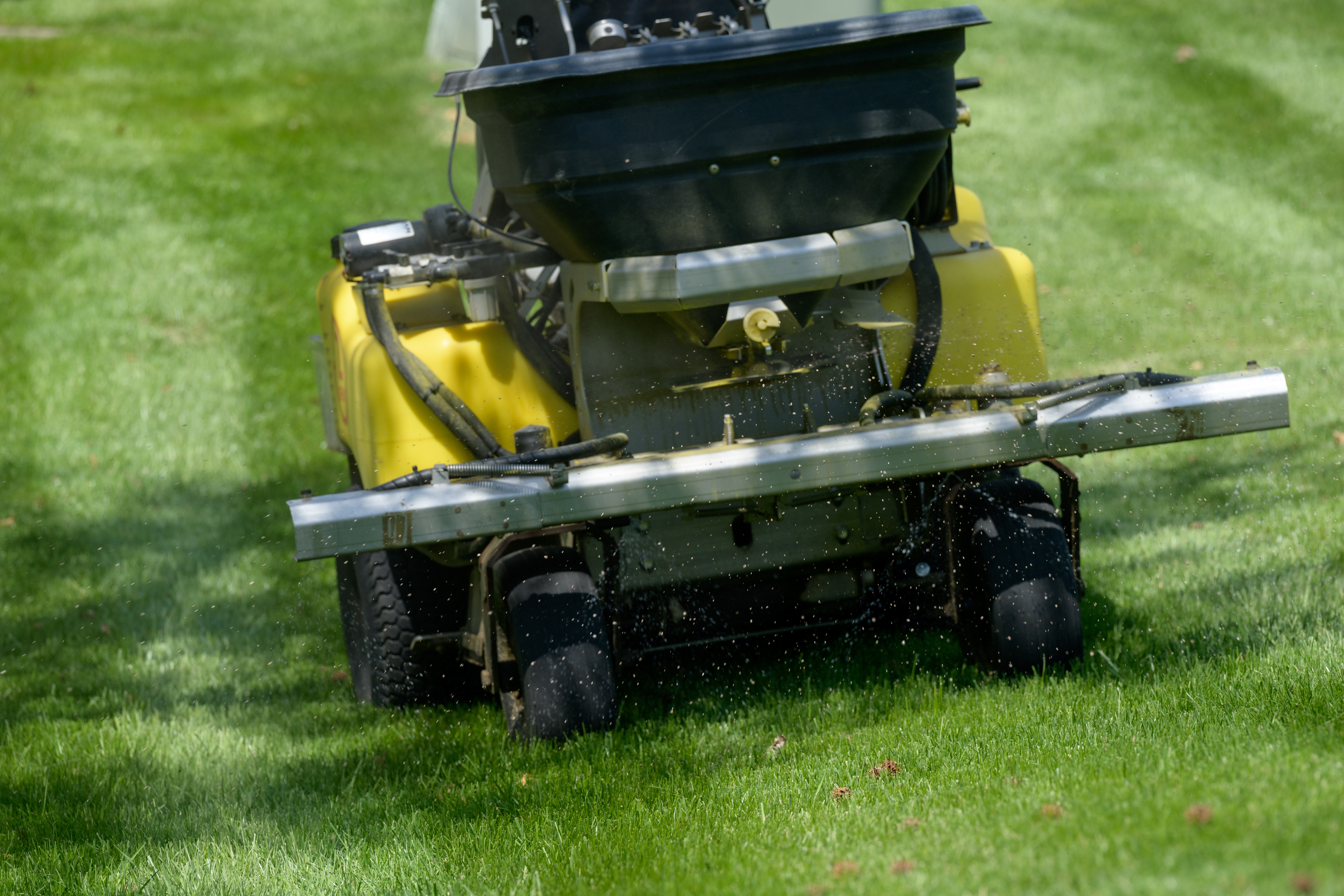
- Precise application. Licensed technicians apply selective herbicides and fertilizers using calibrated equipment for even, efficient coverage.
- Follow up and prevention. We schedule fall treatments, overseeding, and aeration as needed, and we adjust the plan based on how your lawn responds.
- Clean, reliable service. We show up on time, protect your beds and hardscapes, and leave your property neat after every visit.
Clients choose the doctors of landscaping for reliable scheduling, attention to detail, and results that last. We offer free estimates and clear communication so you know what to expect at every step.
Frequently asked questions about weed control and dandelions
Should I pull dandelions before or after spraying?
Spray first if you plan to use a selective herbicide. The product needs leaf surface to enter the plant. After the label’s wait time, you can remove dead or dying plants. If you only have a few dandelions and want a chemical free approach, pull them by hand when soil is moist.
Is it too late to treat dandelions after they bloom?
No. You can treat any time the plant has active leaves. If seed heads are present, mow and bag to reduce spread, wait a day or two for new leaves to expand, then spray. Plan a fall follow up for the best root kill.
Will thicker grass really reduce weeds?
Yes. Dense turf shades soil and lowers the light that weed seedlings need. Paired with proper mowing, fertilizing, and watering, a thick lawn is the most reliable long term weed control.
Can I seed and spray at the same time?
Most broadleaf herbicides will inhibit new grass seed for a few weeks. Check the label for the exact interval. Often the best sequence is treat first, wait the recommended period, then overseed.
What about organic lawns?
You can manage dandelions organically with a mix of hand pulling, iron based herbicides, overseeding, compost topdressing, and precise mowing and watering. It can take more time and repetition, but it is a viable path with consistent effort.
A quick checklist for this weekend
- Set mower to 3 to 3.5 inches and mow high
- Bag heavy seed heads to slow spread
- Spot treat dandelions on a dry, mild day
- Wait per label, then mow again
- Fertilize with slow release nutrients
- Overseed thin spots and water deeply
- Put a fall treatment date on your calendar
Why choose the doctors of landscaping
The Doctors of Landscaping is a trusted local partner for complete outdoor care. We started as a small lawn maintenance business and grew into a full service provider offering lawn mowing, edging, and clean up, planting and bed services, patios, walkways, retaining walls, seasonal cleanups, and snow removal for residential and small commercial properties. Our team values correct installation, smart timing, and neat workmanship. We bring confidence, reliability, and technical know how to every visit. With free estimates, efficient scheduling, and thorough clean up, it is easy to work with one dedicated provider for all your outdoor needs.
Ready to reclaim your front yard?
If your spring lawn is covered in dandelions, you can turn it around fast. Start with smart timing, selective products, and a focus on lawn strength. If you want professional help, contact the doctors of landscaping in Kenosha for a free estimate. We will inspect your property, build a custom weed control plan, and get your lawn back to green quickly. Take action today so you can enjoy a clean, comfortable outdoor space all season long.


Leave A Comment