
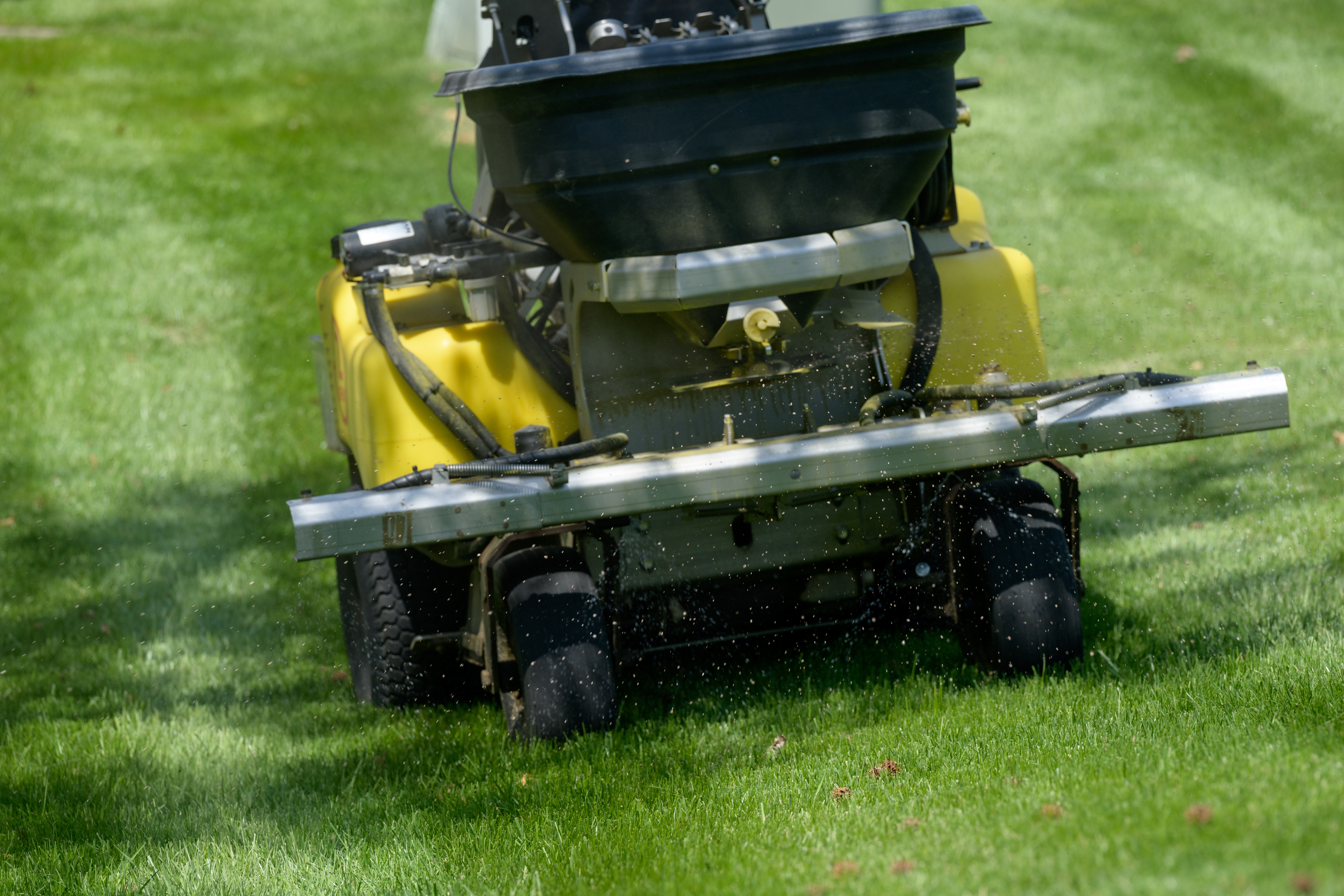
Seeing your lawn fade from rich green to light green or yellow is frustrating, especially when you water and mow regularly. The good news is there is a clear path back to color. Lawn fertilization is key when grass turns light green or yellow, but timing, product choice, and soil health matter just as much. In this guide from the Doctors of Landscaping, we explain why grass loses color, how to fix nutrient gaps, and the best way to time treatments so you restore a deep, lasting green fast.
What Light Green and Yellow Grass Is Telling You
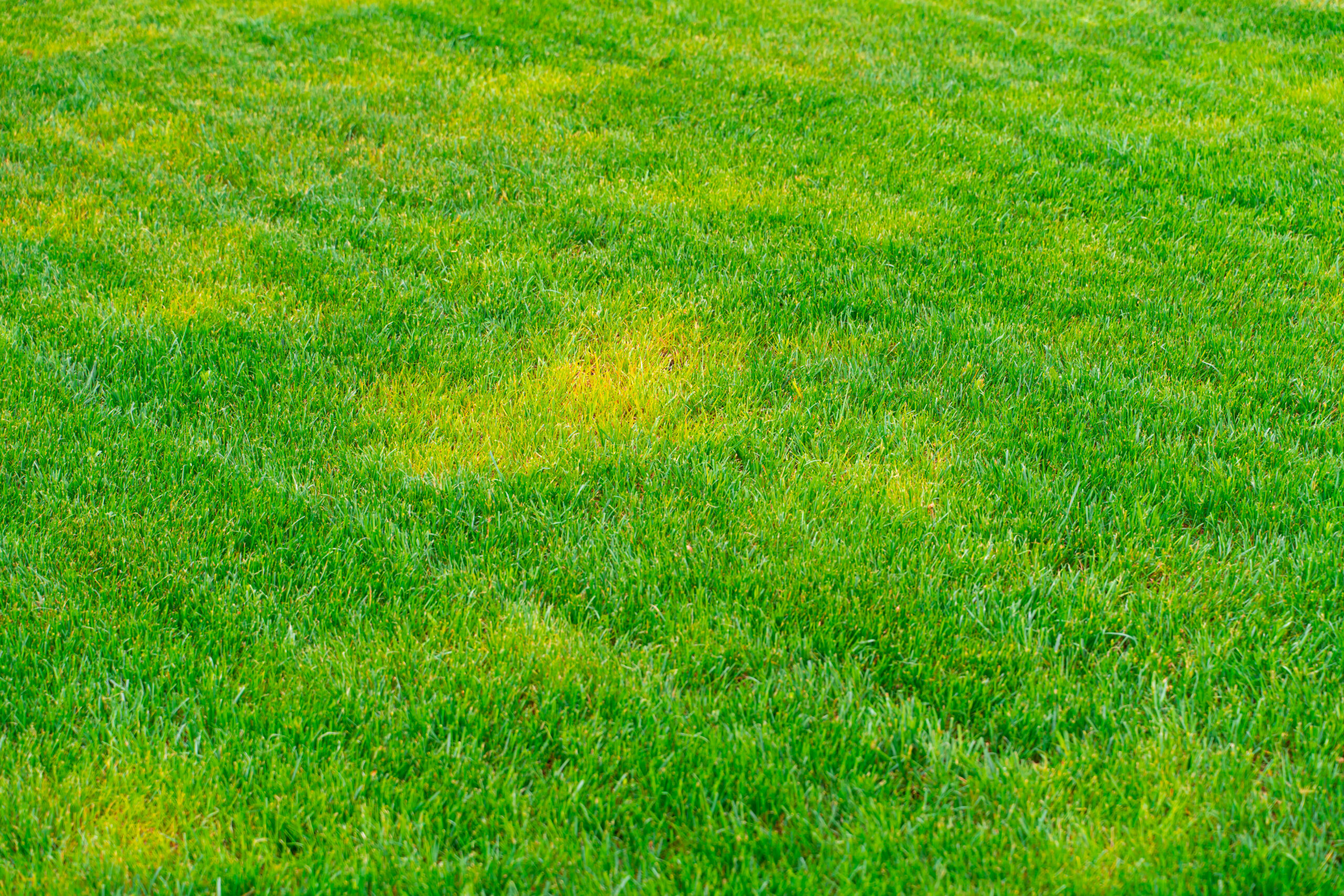
Grass turns pale when chlorophyll breaks down or cannot form as it should. Chlorophyll is what makes blades green and powers growth. When your lawn looks washed out, it usually signals one or more of these problems: nutrients are missing, roots are under stress, or disease and pests are active. The first step is to read the symptoms so you apply the right fix, not just a quick patch.
- Uniform light green across the lawn often points to nitrogen deficiency.
- Bright yellow between dark green leaf veins suggests iron chlorosis.
- Yellowing in spots that align with mower passes can mean fertilizer streaking or dull blades.
- Yellow or straw patches that pull up easily may indicate grubs.
- Yellow that appears after hot afternoons and recovers overnight signals heat or drought stress.
Common Causes in Kenosha Lawns
Nutrient Gaps and Soil Chemistry
Nitrogen is the engine of turf color. When soil runs low, blades become light green, growth slows, and the lawn looks thin. Iron affects the intensity of green, especially in cool conditions or high pH soils. Magnesium, sulfur, and potassium each play roles in chlorophyll, stress tolerance, and root strength. In Southeast Wisconsin, many lawns sit on heavier clay soils that can compact, drain slowly, and shift in pH with time. Grass thrives when soil pH falls between 6.0 and 7.0. If pH climbs, iron can be present in the soil but locked up, so blades go yellow between the veins. A simple soil test shows if fertilization, iron, or pH correction is the right move.
Water and Heat Stress
Underwatering causes blades to gray, then yellow, then turn tan. Overwatering cuts off oxygen to roots and can cause root rot and nutrient leaching, which also leads to yellow. During summer, shallow daily watering encourages weak roots near the surface. Deep and infrequent watering builds strong, color-holding roots.
Compaction and Thatch
Clay soils in the Kenosha area compact under foot traffic and equipment. Compaction limits oxygen and water movement, which limits nutrient uptake. Thatch is a layer of stems and roots above the soil surface. Too much thatch keeps water and fertilizer from reaching the root zone. Both issues lead to pale, hungry turf.
Shade and Mowing Habits
Grass in shade makes less energy and typically grows lighter green. Mowing too short scalps leaves, strips chlorophyll, and shocks plants. Dull mower blades shred tips, which dry out and look yellow. Returning clippings helps recycle nutrients back into the soil and supports color.
Pests and Disease
Several lawn diseases show up as yellowing. Dollar spot, rust, and leaf spot can wash out color in patches. Insects like grubs and chinch bugs feed on roots or sap, and the lawn responds by turning yellow or straw colored. Confirming the problem is vital before you treat so you do not waste time or make the issue worse.
Pet Spots, Salt, and Chemical Injury
Dog urine can cause small yellow circles with dark green edges. Winter deicer salts splash onto grass and create yellow strips by sidewalks and driveways. Herbicide drift or spills can also bleach turf. These cases require watering and sometimes overseeding, not just lawn fertilization.
Lawn Fertilization: The Fastest Path Back to Green
When nutrient deficiency drives yellowing, the quickest fix is targeted lawn fertilization. The Doctors of Landscaping follows a simple principle for consistent results: right nutrient, right rate, right time, and right place. That keeps color strong without surge growth or waste.
- Right nutrient: Match the product to the need based on a soil test and symptoms.
- Right rate: Apply enough to feed, but not so much that you burn or force weak growth.
- Right time: Align with the growth cycle of cool season turf common in Kenosha, like Kentucky bluegrass, perennial ryegrass, and fescues.
- Right place: Even coverage is essential to avoid light and dark streaks.
How to Build a Fertilization Plan for Cool Season Lawns
Lawn fertilization for cool season grass works best in spring and fall when turf actively grows. In Southeast Wisconsin, the peak feeding window is late spring and fall.
- Test your soil. Every two to three years is ideal. Look for pH, organic matter, and N-P-K needs. Wisconsin limits phosphorus use unless a soil test shows a deficiency or you are seeding, so check before applying P.
- Choose the right analysis. For most pale lawns, nitrogen does the heavy lifting. Pick a fertilizer with a meaningful slow-release fraction, often 30 to 50 percent, so color lasts and growth stays steady.
- Calculate your rate. Many lawns respond to 0.75 to 1.0 pound of nitrogen per 1,000 square feet per application in spring and fall. Use lower rates in summer if feeding is needed.
- Water in after granular applications. A light irrigation helps move nutrients into the soil and reduces burn risk.
- Spoon-feed in stress periods. If your lawn fades in midsummer, small doses of slow-release nitrogen can maintain color without pushing soft growth that invites disease.
- Add iron for fast cosmetic green. Chelated iron or ferrous sulfate can deepen green within a few days, especially when pH is slightly high, but it does not replace nitrogen.
- Mind the edges. Use a spreader guard along driveways and sidewalks. Sweep or blow any granules back onto the lawn.
- Re-check in two weeks. If color returns unevenly, it may point to poor spreader calibration, compaction, or irrigation coverage issues.
Quick Greening Options Without Growth Spurts
If you want a fast color pop without pushing a flush of growth, an iron application can help. Apply according to label directions and avoid contact with concrete, which can stain. Light foliar nitrogen feeds can also boost color in a pinch, but rely on slow-release sources for longer term health. Remember, iron darkens green but will not correct thin or hungry turf that truly needs nitrogen.
Watering and Mowing Practices That Support Color
Even perfect lawn fertilization will disappoint if water and mowing habits are off. Simple changes make a big difference in color.
- Water deeply and infrequently. Aim for 1 to 1.5 inches per week from rain and irrigation, delivered in two to three deep sessions. Push a screwdriver into the soil after watering. If it slides in easily, moisture reached the roots.
- Water early in the morning. This reduces evaporation and disease risk. Avoid evening watering, which leaves blades wet overnight.
- Set mowing height to 3 to 4 inches. Taller blades shade soil, reduce weeds, and improve color.
- Sharpen blades two to three times per season. Clean cuts stay green. Torn tips look yellow.
- Follow the one-third rule. Never remove more than one-third of the blade at a time.
- Recycle clippings. Mulched clippings return nitrogen and iron to the lawn.
Fixing Soil Problems That Cause Yellowing
Aeration and Dethatching
In compacted clay, roots struggle to breathe and absorb nutrients. Core aeration removes plugs of soil and opens pathways for air, water, and fertilizer. Over time, this builds deeper roots and more reliable color. If thatch exceeds a half inch, consider dethatching or power raking in early fall so water and nutrients reach the soil instead of sitting on top.
pH Correction
If your soil test shows pH below 6.0, lime can help. If pH sits above 7.0 and you see iron chlorosis, elemental sulfur or ammonium-based fertilizers can nudge pH down over time. Make changes gradually and retest so you do not overshoot, which can create new nutrient problems.
Topdressing and Overseeding
Topdressing with a thin layer of screened compost adds organic matter that improves structure and nutrient holding capacity. Pair this with overseeding in late summer or early fall using improved cultivars of Kentucky bluegrass, perennial ryegrass, or turf-type tall fescue. Modern seed blends resist disease and hold color better under stress.
When Yellow Means Disease or Insects
Sometimes pale lawns are sick or under attack. Look closely at the blades and roots. Diseases like dollar spot create straw-colored spots with bleached lesions. Rust coats leaves with orange powder that rubs off on shoes. Leaf spot creates purplish lesions that cause yellowing. Grubs chew roots and cause patches that lift like a carpet. Chinch bugs suck sap and cause yellow to brown areas, often in sunny zones.
- Confirm the cause. A correct diagnosis prevents wasted treatments.
- Improve airflow and watering. Many diseases fade when blades dry quickly and sun reaches the soil.
- Use targeted controls only if needed. Apply products at label rates and times for best results.
- Call a pro if the lawn declines fast. The Doctors of Landscaping can identify the issue on site and choose a plan that fits your property.
Seasonal Lawn Calendar for Southeast Wisconsin
Healthy color is a year-round effort. Use this regional schedule as a guide, then adjust for weather and lawn needs.
- Early spring: Clean up debris. Sharpen blades. Light lawn fertilization if the lawn looks pale and growth has started. Spot-treat early weeds.
- Late spring: Main feeding with slow-release nitrogen. Calibrate your spreader. Water in after applying.
- Summer: Mow high. Water deeply. Consider light spoon-feeding with slow-release nutrients if color fades. Watch for grubs and diseases.
- Early fall: Core aeration and overseeding. Apply a balanced feeding to rebuild roots and color after summer stress.
- Late fall: Winterizer fertilization with a focus on root storage. This sets up strong spring color without extra spring surge.
DIY vs Professional Lawn Fertilization
Doing it yourself can work, but small mistakes show up fast as stripes, burns, or persistent yellowing. Professional lawn fertilization brings precision and consistency, especially when conditions change quickly during Midwest seasons.
- Diagnosis: Pros read symptoms and soil tests to target the exact fix. Guesswork often wastes money.
- Products: Access to high quality slow-release fertilizers and iron options tailored to cool season turf.
- Application: Even coverage with calibrated spreaders prevents streaks and uneven color.
- Timing: Scheduled visits align with local weather and growth stages.
- Extras: Aeration, overseeding, and pH correction handled at the right time for best results.
The Doctors of Landscaping has more than 30 years of local experience, and our team has tuned lawn fertilization programs for Kenosha soils and weather. We combine careful measurements, quality products, and dependable scheduling. You get a greener lawn without the guesswork.
How The Doctors of Landscaping Restores Faded Lawns
Every property is unique. That is why the doctors of landscaping approach starts with the site, not just the bag. We look at sunlight, soil, grass type, and use patterns to build a plan that fits your lawn and your routine.
- On-site assessment: We check color patterns, thatch, compaction, irrigation coverage, and mower height.
- Soil testing: A lab report guides nutrient and pH decisions. This avoids unnecessary phosphorus and ensures the right iron strategy.
- Customized plan: We select slow-release fertilizers, iron supplements, and a watering and mowing plan to match your goals.
- Precise application: Calibrated equipment lays down even coverage. We protect hardscapes and clean up after each visit.
- Follow-up and adjustments: We revisit after key weather shifts to fine-tune feeding and address weeds, disease, or grubs.
The Doctors of Landscaping is a locally owned and operated company based in Kenosha, Wisconsin. What began as a small lawn maintenance service has grown into a full-service provider. Along with lawn fertilization, we handle mowing, edging, bed care, planting, patios, walkways, retaining walls, seasonal cleanups, and snow removal for residential and small commercial clients. Our customers rely on us for detailed, dependable work all year.
Frequently Asked Questions
How long does it take to see green after lawn fertilization?
With a quality nitrogen source and proper watering, most lawns show deeper green within 7 to 14 days. Iron applications can darken color in 24 to 72 hours, though the effect is cosmetic. Slow-release fertilizers provide a steadier, longer-lasting green.
Can I fertilize in the heat of summer?
Yes, but lightly. Use slow-release products, apply at lower rates, and water in well. Avoid feeding during extreme heat or drought unless you can irrigate. For many Kenosha lawns, the main feedings are late spring and early to mid fall, with only light summer maintenance feeding if needed.
Could yellow grass be from too much fertilizer?
Yes. Overapplication can burn blades and cause yellow or brown streaks. If you suspect burn, water the area deeply for several days to leach excess salts. Severe cases may require raking out dead turf and overseeding. Calibrate your spreader before you apply any product.
Do I need phosphorus?
Only if a soil test shows a deficiency or you are seeding. Wisconsin restricts phosphorus in lawn fertilizers to protect waterways. Most established lawns only need nitrogen and potassium, with iron added as needed for color.
What spreader setting should I use?
Always follow the bag rate, but do not rely on generic settings. Calibrate your spreader. Measure 1,000 square feet, weigh the amount needed, and make two light passes in a crisscross pattern. This prevents heavy strips and pale gaps.
Ready to Bring Back the Green?
If your lawn is drifting to light green or yellow, start with a soil test and a clear plan. In many cases, targeted lawn fertilization timed to your grass type and season is the fastest cure. When you want reliable color without trial and error, call the Doctors of Landscaping. We provide free estimates, efficient scheduling, and complete clean-up. From fertilization and mowing to aeration, overseeding, and seasonal maintenance, you can count on one trusted team for comprehensive outdoor care. With our attention to detail and proper installation practices, your lawn will recover quickly and hold its deep green through the seasons.

Leave A Comment