
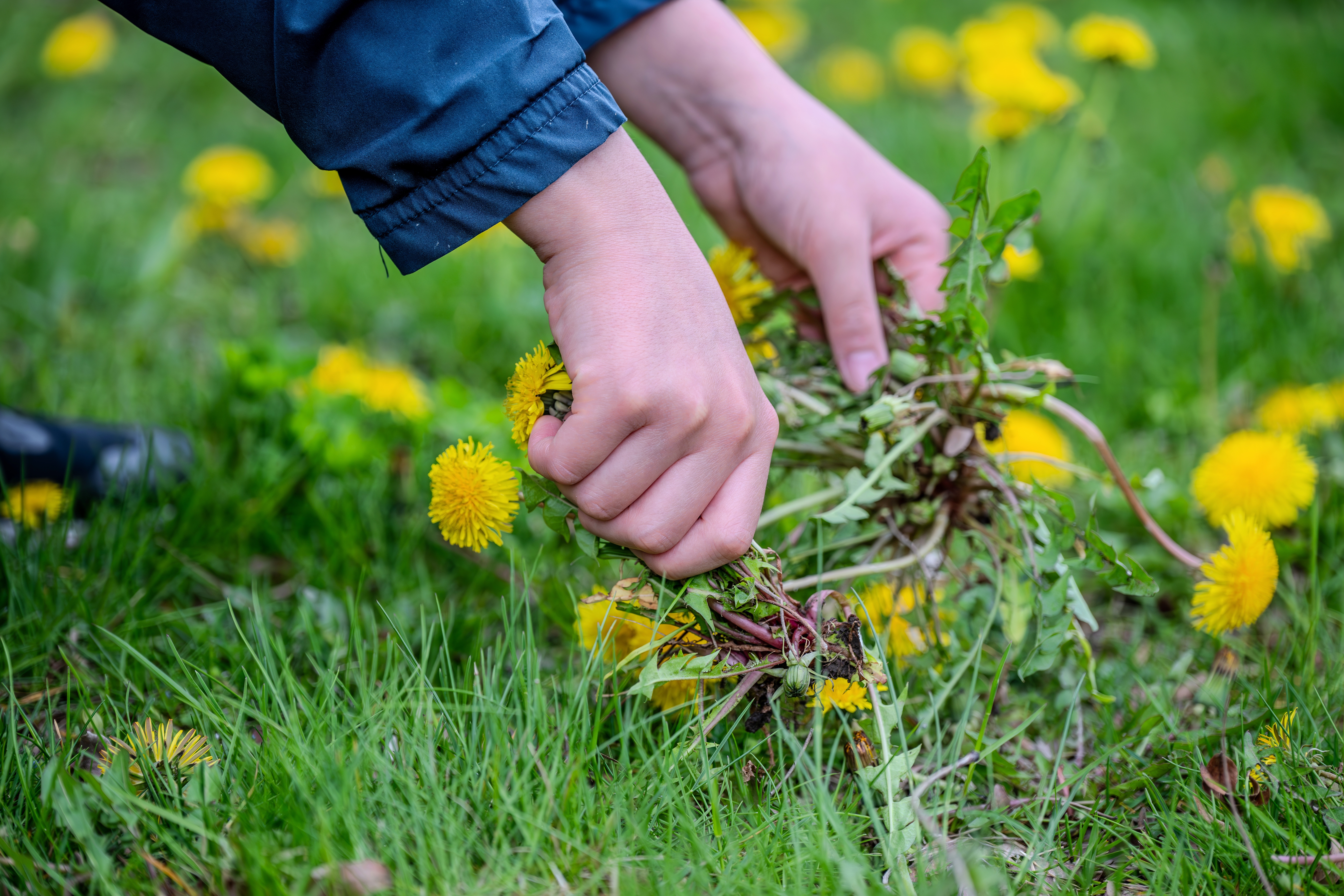
If every April and May your lawn flips from green to a patchwork of dandelions, crabgrass, and mystery invaders, you are not alone. This guide breaks down practical weed control so you can stop the annual weed takeover and finally enjoy a thick, healthy lawn. Learn the timing, products, and steps that work. If you need professional help, the Doctors of Landscaping in Kenosha, Wisconsin can build a plan that fits your yard and your schedule.
Why Your Yard Explodes With Weeds Every Spring
Weed Biology and the Seed Bank
Weeds are opportunists. Many species, like crabgrass and goosegrass, wait for warm soil to germinate. Others, like dandelions and clover, wake up as soon as the ground thaws. Last year’s weeds left thousands of seeds behind. Those seeds can sit in the soil for years, ready to sprout when light, warmth, and moisture line up. This built-in seed bank is why weed control is not a one time event. It is a seasonal strategy that cuts off new sprouts while cleaning up survivors.
Cool Season Lawns in Wisconsin Face Spring Stress
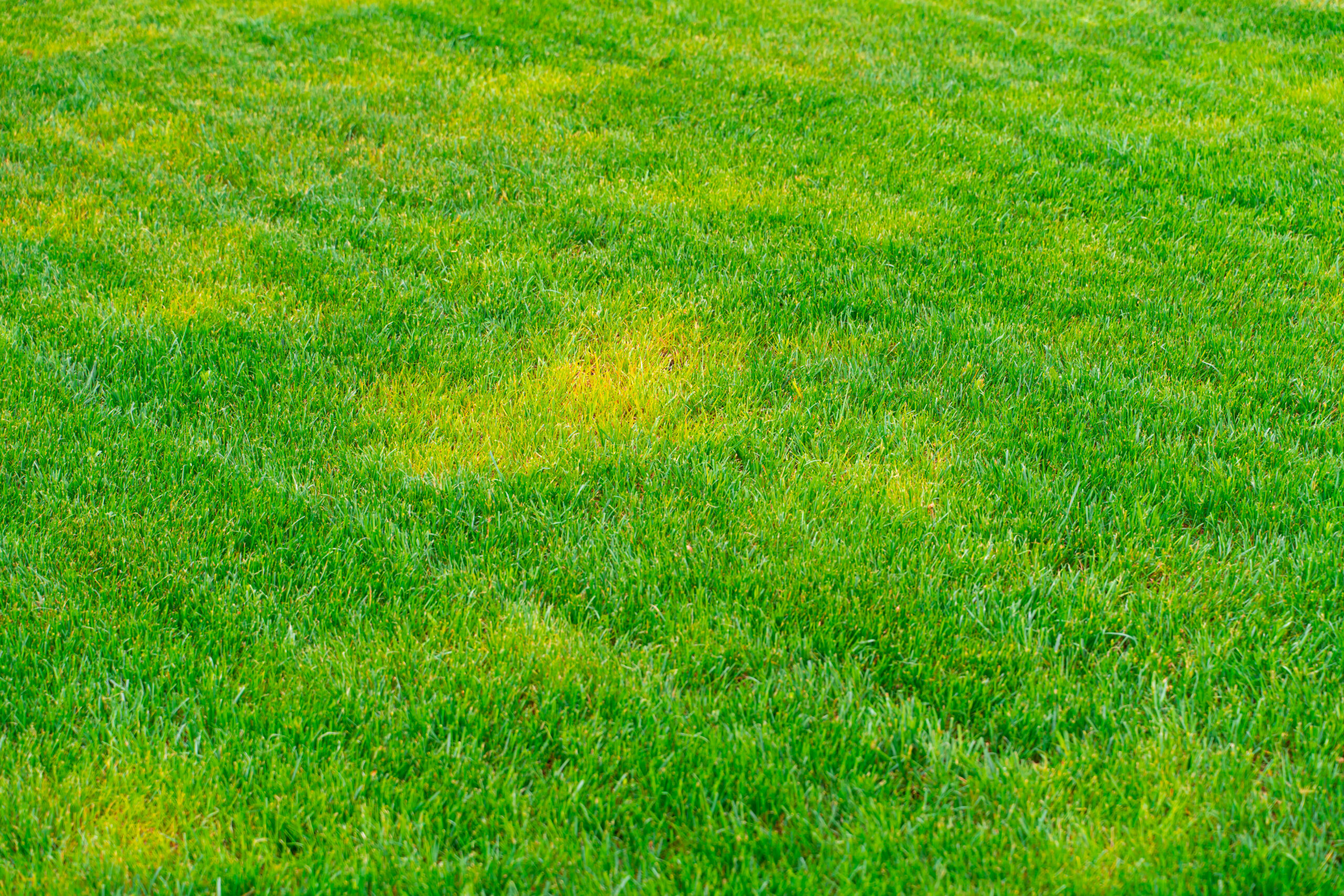
In Kenosha and surrounding Southeast Wisconsin, most lawns are cool season grasses like Kentucky bluegrass, perennial ryegrass, and turf type fescue. These grasses thrive in spring and fall but struggle with quick weather swings. Winter compaction, snow mold scarring, and early spring foot traffic thin the turf. Thin turf lets sunlight reach the soil. That sunlight triggers weed seeds to germinate. When soil warms to about 55 degrees at a two inch depth for several days, crabgrass starts to sprout. If the lawn is weak or unevenly fertilized, weeds take the open spots first.
The Three Part Weed Control Strategy
1. Prevention With a Pre-emergent Barrier
Pre-emergent herbicides are the backbone of spring weed control. They create a thin barrier at the soil surface. When new weed seeds try to sprout, the barrier stops root or shoot development. This is the best way to block crabgrass and many annual weeds before they appear. Timing matters. Apply pre-emergent when soil temperatures sit around 50 to 55 degrees for several days. In Kenosha, that is often early to mid April, though it can shift with warm or cold springs. If you miss the early window, a split application two to four weeks apart can still help.
Watering in the pre-emergent according to the label helps lock the barrier at the soil line. Do not core aerate after you apply, since aeration can break the barrier. If you need spring aeration, do it before your pre-emergent or wait until fall.
2. Fast Response With Post-emergent Control
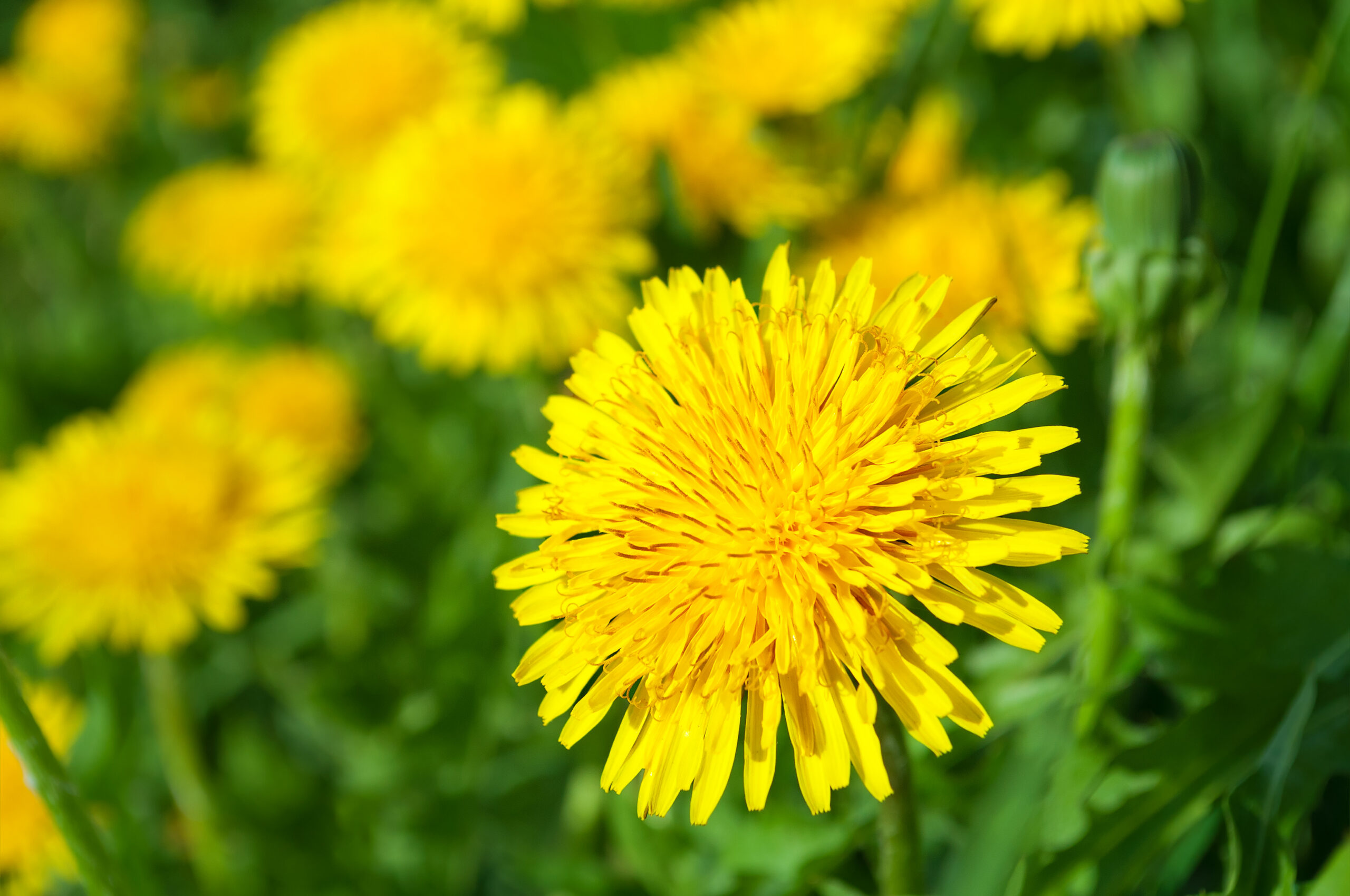
Once weeds are visible, you need a post-emergent herbicide or manual removal. The right choice depends on the weed species and where it is growing. Broadleaf weeds like dandelions, plantain, and white clover respond to selective broadleaf herbicides. Grassy weeds like crabgrass need products labeled for grassy control. Some weeds like nutsedge are not true grasses and need specific sedge control. Hand pulling works for small patches, especially right after rain when roots loosen. The Doctors of Landscaping trains crews to identify common weeds on sight and choose targeted treatments so surrounding turf is not damaged.
3. Build a Dense, Healthy Lawn to Crowd Weeds
Even the best herbicide plan fails if the lawn is thin. A dense turf canopy blocks light from the soil, which stops weed seeds from germinating. Proper mowing height, consistent fertilization, smart watering, and overseeding in the fall create that density. Think of herbicides as a shield and good lawn care as your armor. Together they push weed pressure down year after year.
Timing Calendar for Kenosha and Southeast Wisconsin
Dates shift with weather, but this calendar gives you a reliable framework for weed control in our region.
- Late March to Early April: Clean up winter debris, rake matted spots, and repair plow damage along the curb. Schedule core aeration if soil is compacted and if you will use pre-emergent later. Do not aerate after your pre-emergent goes down.
- Early to Mid April: Apply a crabgrass pre-emergent when soil temps are near 50 to 55 degrees. A fertilizer and pre-emergent combo product can kick-start growth and build the barrier in one pass.
- Late April to May: Spot treat early broadleaf weeds like dandelions while they are young and actively growing. Pull or spot spray weeds in mulch beds before they set seed. Keep mowing height at 3 to 3.5 inches to shade soil.
- Late May to June: If you used a split pre-emergent program, apply the second round. Treat any crabgrass escapes with a post-emergent labeled for crabgrass in cool season lawns. Feed with a slow-release fertilizer if growth is lagging.
- Summer: Water deeply and infrequently, about 1 inch per week total including rain. Do not scalp the lawn in heat. Higher mowing height helps shade out summer weeds. Spot treat as needed. Avoid heavy seeding until fall.
- Late August to September: Overseed thin areas. Fall is prime time for thickening turf, which is the best long-term weed control. Consider a broadleaf herbicide pass if you have creeping charlie or violets that are easier to control as nights cool.
- October to Early November: Final fertilization supports root growth and winter hardiness. This sets up a stronger spring stand that resists weeds.
Product Choices and How to Use Them Safely
Selective Herbicides for Broadleaf Weeds
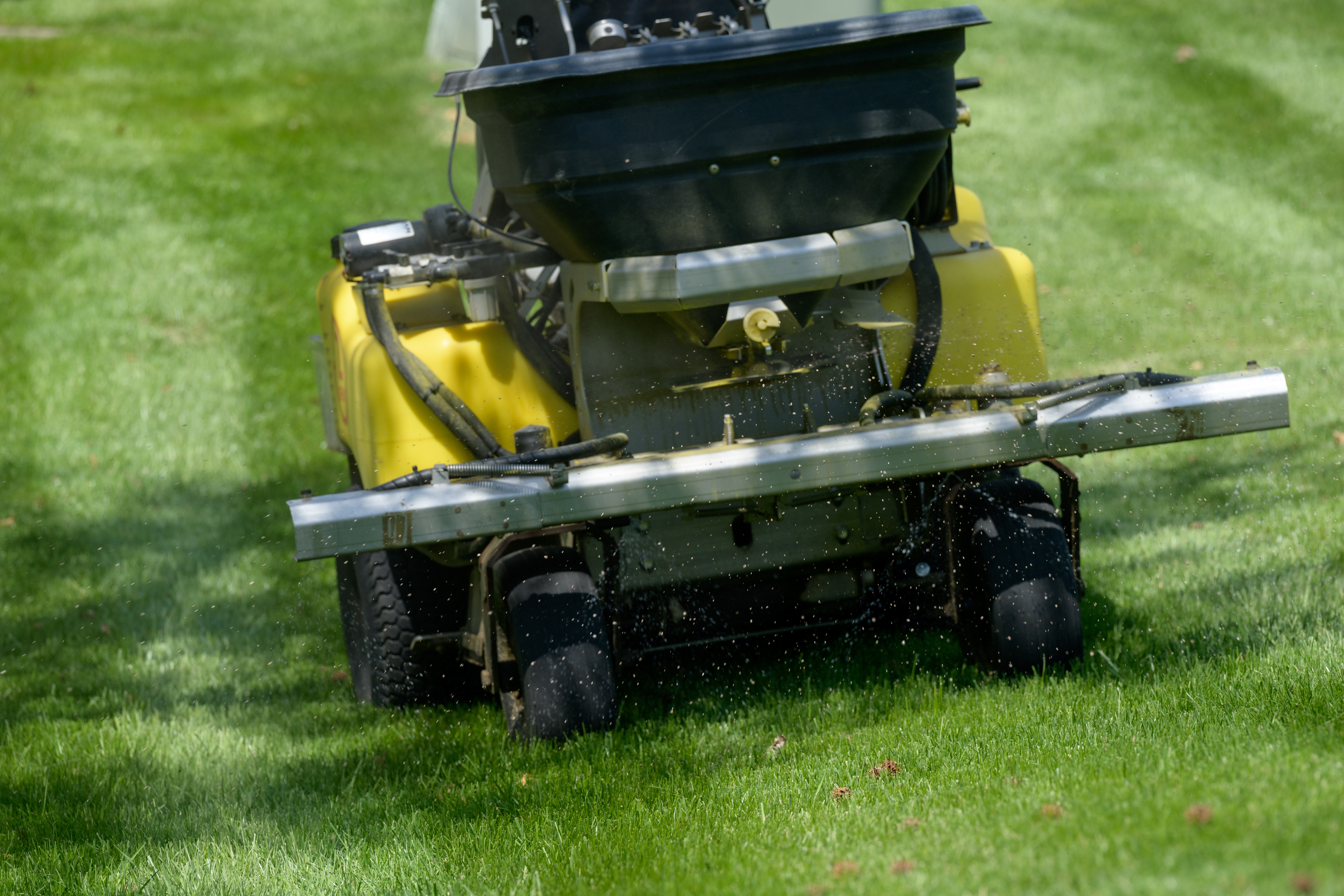
For lawns with dandelions, chickweed, and plantain, use a selective broadleaf herbicide. These products target broadleaf plants while leaving grass unharmed when used as directed. Look for active ingredients like 2,4-D, MCPP, dicamba, or triclopyr. Triclopyr is especially helpful on creeping charlie and wild violets. Spot spraying is often enough for small outbreaks. For larger areas, a hose-end sprayer or battery sprayer provides even coverage. Follow the label, watch wind speed, and protect desirable plants. The Doctors of Landscaping uses calibrated equipment to avoid overuse and drift so nearby shrubs and perennials are safe.
Grassy Weed Solutions
Grassy weeds require different tools. Crabgrass preventers rely on pre-emergent ingredients like prodiamine, pendimethalin, or dithiopyr. If crabgrass has already sprouted, post-emergent options that include quinclorac can help when weeds are young. Goosegrass and certain foxtails are harder to remove once mature. That is why timely pre-emergent is critical. For nutsedge, which is not a grass, look for halosulfuron or sulfentrazone. Apply when plants are small and growing. Multiple treatments may be needed, spaced by the label’s interval.
Natural and Low Impact Options
There are ways to reduce chemical use while still practicing effective weed control. Corn gluten meal has been studied as a natural pre-emergent. Results vary, and you must apply at the right rate and timing to see benefit. Mulch in beds blocks light and reduces sprouting. A fresh two to three inch layer each spring is simple and effective. Hand pulling and weeding tools work well when done consistently, especially after rain. Horticultural vinegar products with higher acetic acid can burn back small weeds on hard surfaces or in beds, but they do not stop roots on many perennials, so regrowth is common. Always wear eye and skin protection.
Bed and Hardscape Weed Control
Weeds in beds and along patios can make your whole property look messy. A few focused steps clean them up and keep them out.
- Edge and Define: A clean bed edge discourages creeping grass and makes maintenance faster. The Doctors of Landscaping can cut crisp, deep edges and install edge materials when needed.
- Refresh Mulch: Maintain a two to three inch cover. Too little invites weeds. Too much can suffocate roots of your plants. Leave space around stems and trunks.
- Use Bed Pre-emergents: Products labeled for ornamental beds reduce new weed germination without harming established shrubs and perennials. Read plant compatibility on the label.
- Targeted Sprays or Hand Weeding: Spot treat intruders and avoid blanket sprays in beds. For cracks in walks or along gravel, a nonselective herbicide can be used carefully, or consider steaming and flame weeding with caution.
- Landscape Fabric Where Appropriate: In rock beds or under gravel, a quality woven fabric plus an adequate layer of stone can cut maintenance. Avoid plastic that blocks water and air around living plants.
Watering, Mowing, and Feeding That Support Weed Control
Weed control is easier when the lawn grows strong on its own. These cultural practices build resilience and crowd out invaders.
- Mow Higher: Keep cool season lawns at 3 to 3.5 inches. Taller grass shades the soil and reduces weed germination. Avoid removing more than one third of the blade at a time.
- Water Deep, Not Often: One inch per week including rainfall is a good target. One or two deep waterings are better than frequent shallow watering. Shallow watering favors shallow rooted weeds.
- Fertilize Wisely: Use slow release nitrogen to feed steady growth. Spring feeding supports recovery after winter. Too much fast nitrogen in summer stresses cool season grasses and can invite disease and weeds.
- Overseed in Fall: Fill bare and thin spots. Seed to soil contact is key. Aerate if compacted, then overseed and topdress lightly. The Doctors of Landscaping can match seed blends to your sunlight and soil.
- Reduce Compaction: High traffic compacts soil and squeezes out oxygen. Core aeration in fall improves rooting and water movement, which favors grass over weeds.
Troubleshooting Stubborn Weeds
Some weeds stick around even when you do most things right. Here is how to handle frequent offenders in our area.
- Creeping Charlie and Wild Violets: These spread with creeping stems and survive shallow sprays. Use triclopyr based products in fall and again in spring if needed. Improve light and airflow by pruning trees where shade is heavy.
- Nutsedge: Likes wet, compacted spots. Improve drainage and reduce overwatering. Treat with a sedge specific herbicide when plants are small. Expect more than one treatment.
- Crabgrass Escapes: Post-emergent products with quinclorac work best on young plants with 1 to 3 tillers. If mature, pull before seeds form. Adjust timing next spring or use a split pre-emergent plan.
- Moss and Algae: Usually a sign of shade, moisture, and low fertility. Improve drainage, raise mowing height, and consider shade tolerant turf or groundcovers in dense shade areas.
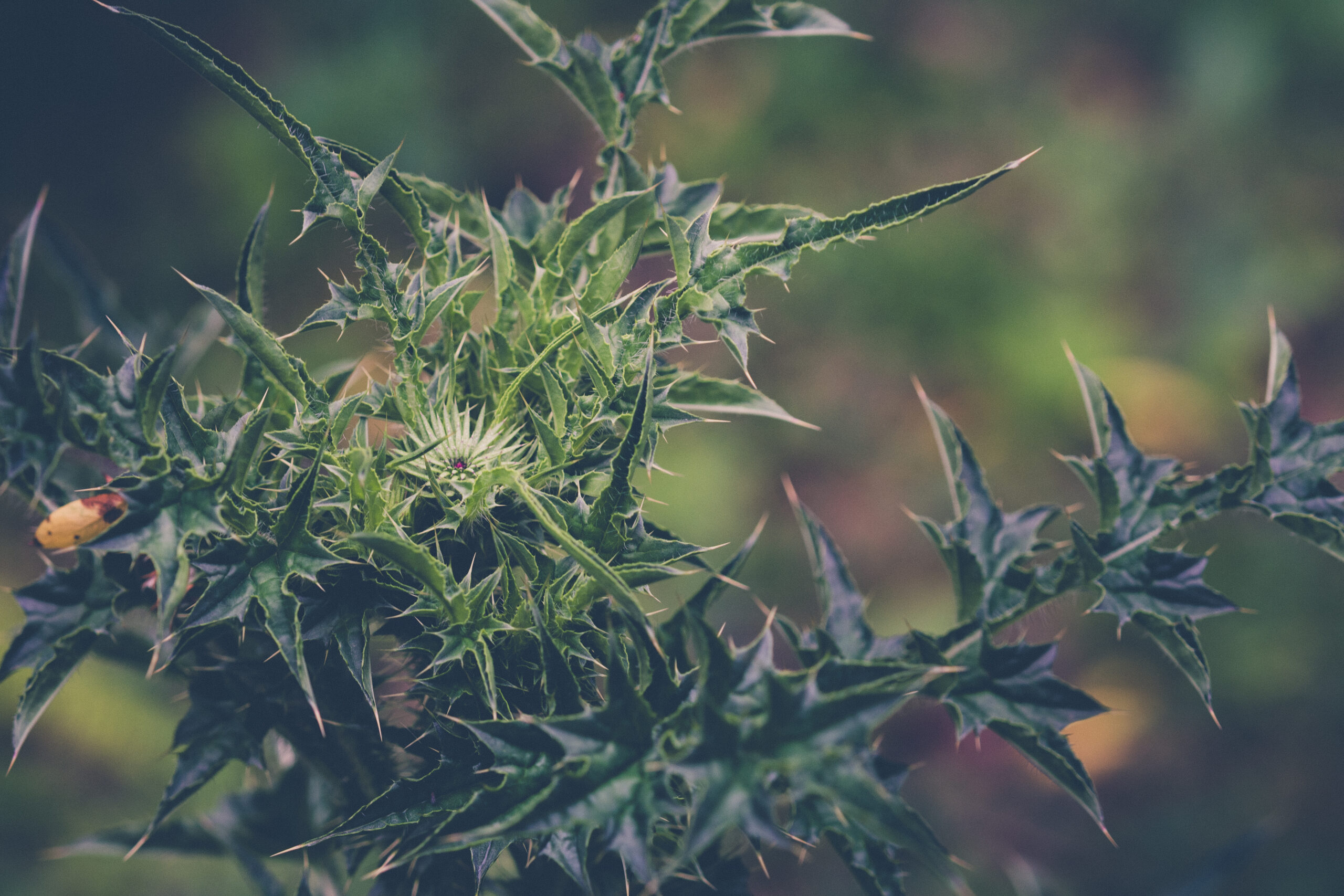
- Thistle and Deep Taproot Weeds: Remove the entire root with a narrow weeding tool, or treat when actively growing. Repeated mowing before flowering reduces spread.
When to Call the Doctors of Landscaping
If your yard feels like a never-ending weed project each spring, a professional plan can save time and guesswork. The Doctors of Landscaping is a locally owned team in Kenosha with more than 30 years of hands-on experience. We understand Southeast Wisconsin soils and seasons, which means our timing and product choices line up with what your lawn actually needs. We also handle the details other crews skip, like clean edges, careful calibration, and thorough cleanup after each visit.
We offer complete lawn maintenance with mowing, edging, and clean-up, along with bed care, planting, hardscape installation, and seasonal services like spring and fall cleanups. In winter we provide snow removal for residential and small commercial properties. That means you can work with one trusted provider for weed control, turf health, and every other outdoor need. We provide free estimates and efficient scheduling. Our crews show up ready and leave your property tidy and safe.
What to Expect From a Service Visit
Our process is simple but thorough. First we assess your lawn and landscape, including grass type, sun exposure, irrigation, and existing weeds. Then we build a season-long weed control plan that fits your goals and budget. Typical programs include spring pre-emergent, targeted post-emergent treatments, fertilization, and recommendations for mowing and watering. For beds we refresh mulch, install bed pre-emergents where appropriate, and weed by hand or spot spray as needed. You get clear communication, before and after notes, and a plan for follow-up to keep weeds from returning.
Frequently Asked Questions
How many years does it take to get weeds under control? Most lawns see major improvement the first season with proper pre-emergent and spot treatments. The seed bank shrinks with each year of consistent care. Expect ongoing maintenance because new seeds blow in and conditions change, but it gets easier.
Is weed control safe for kids and pets? When used as directed, labeled lawn care products are designed for residential use. Follow all safety instructions and keep people and pets off treated areas until products dry or as the label states. The Doctors of Landscaping can suggest reduced risk options and natural practices if you prefer a lower input plan.
Can I seed right after using a pre-emergent? Most pre-emergents also block desirable seed. If you plan to seed in spring, choose a product labeled safe around new seed or delay pre-emergent in those areas. A better approach is to seed in fall when soil is warm and weeds are less aggressive.
Why does crabgrass keep coming back along sidewalks? Heat from concrete warms soil early and breaks down pre-emergent faster. Edges often need a split or slightly higher rate within label limits. Hand pulling escapes before they seed also helps.
Do I need to bag my clippings? Mulching clippings returns nutrients and supports healthier turf. Bag only when removing heavy weed seedheads or if disease is active. In most mowing, mulching is the better choice.
Get Your Lawn Back This Spring
You can beat the yearly weed invasion with a clear plan. Block new weeds with a well-timed pre-emergent, knock out visible pests with targeted treatments, and build a thick turf that leaves no room for invaders. Keep your mowing, watering, and feeding consistent. Refresh mulch in beds and cut clean edges. These steps reduce weed pressure season by season.
If you want a reliable partner for weed control, call the Doctors of Landscaping. As a trusted local provider in Kenosha, we combine technical know-how with careful execution. We will assess your yard, explain options in plain language, and schedule service that fits your calendar. From lawn mowing and edging to bed care, hardscapes, seasonal cleanups, and winter snow removal, The Doctors of Landscaping is ready to handle every part of your outdoor care. Get your free estimate and take back your lawn today.


Leave A Comment