
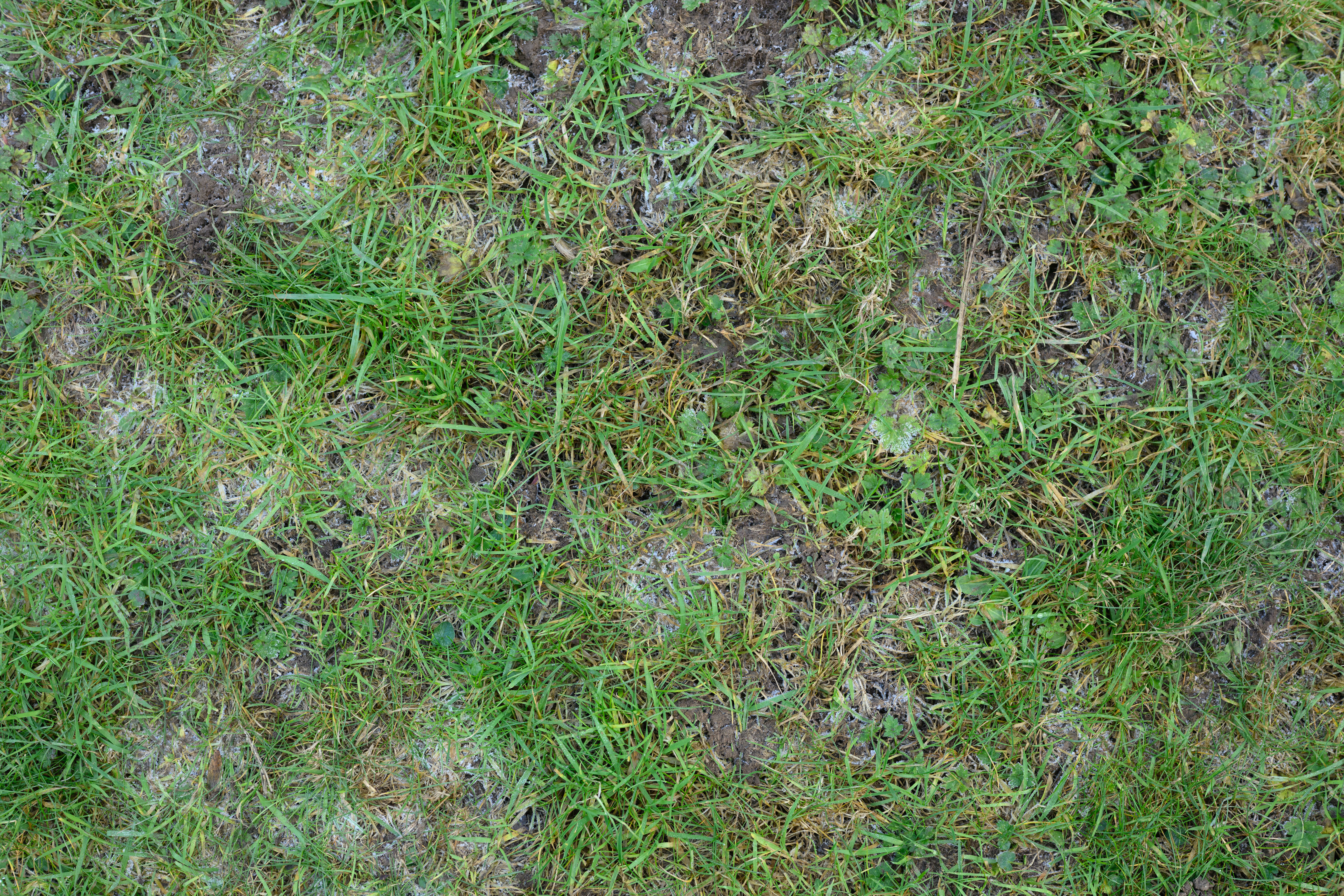
Thin grass lawn problem? Discover why your lawn looks sparse despite care, pinpoint causes, and fix it fast with proven tips. Read now to revive your yard.
If your yard still looks spotty after mowing, watering, and fertilizing, you are not alone. The thin grass lawn problem is one of the most common issues homeowners face, especially in cool season regions like Southeast Wisconsin. The good news is that thin turf always has a cause, and once you find it, you can correct it. At The Doctors of Landscaping in Kenosha, Wisconsin, we have more than 30 years of hands on experience bringing weak lawns back to life. In this guide we share exactly how to diagnose what is going on, how to fix it, and how to keep your lawn thick for the long term.
Quick Answer: The Top Reasons Your Lawn Stays Thin
Most thin lawns come down to a few common problems. If your lawn never fills in, one or more of these is likely at play:
- Soil compaction that limits root growth
- Low fertility or incorrect fertilizer timing
- Wrong grass type for your sun and shade conditions
- Mowing too short and scalping the grass
- Inconsistent watering that stresses roots
- Too much shade from trees or buildings
- Thatch buildup that blocks air, water, and nutrients
- Grubs or disease damaging roots and crowns
- Poor soil pH, usually too acidic for cool season turf
- Heavy foot traffic, pet urine, or salt from winter
It can be one cause or a stack of small problems that add up. The fastest way to end the thin grass lawn problem is to diagnose each part of the system, then correct what you find.
How to Diagnose Your Thin Grass Lawn Problem in One Weekend
You can do a clear, step by step lawn checkup with simple tools you already have. Here is a plan that works for most yards.
- Map your thin spots and note patterns, like only under trees or near sidewalks.
- Check soil and roots with a small spade.
- Audit your watering schedule and coverage.
- Measure sunlight and shade time.
- Review mowing height and frequency.
- Check for thatch depth.
- Look for pests, disease, and weed pressure.
- Send a soil test if you have not in the last two years.
Soil and Roots Check
Use a hand spade to lift a small slice of turf three to four inches deep in a thin area and a healthy area for comparison. Healthy roots in cool season lawns should reach three to six inches when conditions are good. If your roots barely reach an inch, compaction or shallow watering is the likely cause. Feel the soil. If it is hard like concrete, compaction is the issue. If it is loose but dry, you may be under watering. Note if the soil smells sour, which can point to poor drainage. While you are at it, take a sample for a lab test so you know pH and nutrient levels. For most lawns in Kenosha and nearby areas, a pH around 6.0 to 7.0 is ideal.
Water and Irrigation Review
Set out a few small containers in the yard and run your sprinklers for 20 minutes. Measure the water depth. Uniform coverage matters. If one side gets twice as much as the other, you will see thin patches. Cool season lawns usually do best with about one inch of water per week during normal weather. In hot spells, aim for up to one and a half inches. Water in the early morning so turf dries during the day.
Sun and Shade Mapping
Watch when each thin area gets sun. Many cool season grasses need four to six hours of direct light to thrive. Under big trees, the ground often gets dappled light, not full sun. Spots with less than four hours of light are better suited to shade tolerant fine fescues or ground covers. If the thin grass lawn problem is only in deep shade, changing the grass mix or thinning tree limbs may be necessary.
Mowing and Thatch Audit
Measure your current mowing height. For Kentucky bluegrass, perennial ryegrass, and tall fescue, set blades to three to four inches. Cutting shorter weakens roots and lets more sun reach and dry the soil surface. Check thatch by cutting a small wedge of turf and measuring the brown spongy layer between green grass and soil. More than half an inch can block water and nutrients. If thatch is thick, plan on core aeration and possibly dethatching.
Pests, Disease, and Weed Pressure
Pull on grass in thin areas. If it lifts easily like a loose carpet, grubs may have eaten the roots. Also look for tan patches with dark border rings, which can suggest disease. Chewed blades without root damage can signal sod webworms or cutworms. High weed pressure also thins grass by competing for light and nutrients. If you see a lot of weeds, it likely means the turf is weak and the soil is out of balance.
Fixes That Work: From Fastest to Most Effective
Once you know your main issues, use this priority list. Quick wins help right away while long term fixes rebuild the lawn.
- Raise mowing height to three to four inches. Sharpen blades. Never remove more than one third of the blade at a time.
- Adjust watering to deep and infrequent. Water two or three times per week to reach one inch total. Use the container test to confirm.
- Feed with a slow release fertilizer suited to cool season turf. If a soil test shows low nitrogen, use a balanced product such as a 20 0 10 type or similar as part of a plan. Follow label rates and avoid summer heat spikes for heavy feeding.
- Target pests only if confirmed. For grubs, treat when young in late summer. Always read and follow product labels or ask a pro.
- Core aerate compacted soil. Two passes in different directions works best. Leave plugs to break down.
- Topdress with a quarter inch of screened compost after aeration to improve soil structure and feed microbes.
- Overseed thin areas with the right grass blend for your sun and soil. More on this below.
- Correct soil pH with lime if it is too acidic or elemental sulfur if it is too alkaline, based on a lab test.
- Reduce shade by thinning lower tree branches. Improve airflow to limit disease.
- Redirect traffic with stepping stones, a path, or a small patio in high wear zones.
Overseeding the Right Way for Southeast Wisconsin
Overseeding puts new life into a thin lawn, but success depends on timing, seed choice, and seed to soil contact.
- Best timing: Late summer to early fall is prime in Kenosha. Warm soil speeds germination and fall rains help roots. Early spring is a backup window.
- Seed choice: In sunny areas, use a blend with Kentucky bluegrass and perennial ryegrass. In partial shade, include fine fescues such as chewings or creeping red. For full shade with less than four hours of sun, use a shade mix heavy in fine fescue or consider ground covers.
- Prep: Mow the lawn short one time to about two and a half inches. Bag clippings. Core aerate if compacted. Rake out dead material to expose soil.
- Apply seed: Follow label rates. As a general guide, use about two to three pounds per thousand square feet when overseeding. Go a bit heavier in bare spots.
- Topdress: Lightly cover seed with a thin layer of compost or peat to keep seed moist and protected.
- Starter fertilizer: Apply a starter with phosphorus if your soil test shows a need. Many local soils already have enough phosphorus, so test first.
- Watering: Keep the top quarter inch of soil moist, not soaked. Mist two to three times a day until germination, then taper to once a day, then to a normal schedule after three to four weeks.
- Protection: Limit foot traffic for four weeks. Delay weed control in new seedings until after the third mow or use products labeled safe for new seed.
Soil Improvement and pH Correction
A strong soil foundation solves many thin grass issues. If your soil test shows pH below 6.0, apply pelletized lime at the recommended rate. If pH is above 7.0, use elemental sulfur as directed. Add organic matter each year with compost topdressing to boost water holding in sandy soils and improve drainage in heavy clay. Over time, better soil structure leads to deeper roots and a thicker lawn.
Dealing With Shade, Traffic, and Dogs
Grass in deep shade will always be thinner. If an area gets less than four hours of direct sun, switch the seed blend to shade tolerant fine fescue. Thin tree canopies where safe, but avoid cutting more than one third of live branches. In high traffic zones like side yards and mailbox areas, install a walkway, stepping stones, or a small hardscape. For dog spots, flush with water right after your pet goes and consider a small gravel run or a designated mulch area. The Doctors of Landscaping can help with clever layouts and hardscaping that guide traffic and protect turf.
Seasonal Lawn Plan for the Kenosha Area
A simple local calendar helps keep the thin grass lawn problem from coming back.
- Early spring: Clean up debris. Spot seed if needed. Light fertilizer only if the lawn is pale and a soil test shows need. Do not rush heavy feeding.
- Late spring: Mow high and often. Apply pre emergent for crabgrass if you are not seeding. Check irrigation coverage before summer heat.
- Summer: Water deeply in the morning. Do not scalp. Treat pests only if confirmed. Expect slower growth in heat and protect from traffic.
- Late summer to early fall: Core aerate, topdress, and overseed. This is the most important window for thickening cool season lawns. Feed with a slow release fertilizer to support new roots.
- Late fall: Apply a winterizer fertilizer high in nitrogen to store energy for spring green up. Keep mowing until growth stops.
- Winter: Keep heavy salt off the lawn edges. Mark driveway and walk edges to avoid plow damage.
Common Mistakes That Keep Grass Thin
- Mowing too short and shredding blades with dull mower blades
- Light daily watering that trains roots to stay shallow
- Feeding at the wrong time or using a hot quick release product in heat
- Ignoring soil pH and nutrient balance
- Overseeding without seed to soil contact
- Skipping aeration on compacted soil
- Expecting full sun grass to thrive in deep shade
- Heavy foot traffic on weak or wet turf
- Using weed and feed during seeding windows
When to Call the Pros
If you have tried the basics and the lawn still will not fill in, or you want a faster, more certain turnaround, it is time to call the doctors of landscaping. The Doctors of Landscaping is a locally owned and operated company based in Kenosha with more than 30 years of experience. Our team blends lawn science with careful workmanship so your yard looks good and stays healthy. We handle lawn mowing, edging, and clean up, overseeding and aeration, bed and planting services, hardscaping such as patios and walkways, and seasonal care. We also manage snow removal for residential and small commercial properties. Clients choose us for reliable scheduling, proper installation practices, and complete clean up after every visit. You get one dedicated provider for all your outdoor needs and a free estimate before we begin.
FAQ: Fast Answers to Thin Lawn Questions
How long does it take to thicken a thin lawn?
With proper overseeding and watering, you will see new growth in 7 to 21 days depending on seed type and weather. Most lawns look noticeably thicker in 6 to 8 weeks. Soil repairs like pH correction and organic matter additions improve results over one full growing season.
Can fertilizer alone fix a thin grass lawn problem?
Fertilizer helps, but it will not fix compaction, shade, or wrong grass types. Feed the lawn based on a soil test, but also address root depth, light, and water. That is how you get lasting thickness.
Is sod better than overseeding?
Sod gives an instant surface, but its long term success still depends on soil prep, water, and sun. Overseeding is cost effective and builds a lawn suited to your site. In high traffic or erosion prone areas, sod can be a smart choice. The Doctors of Landscaping can help you decide which is best for your yard.
Will aeration help thin grass?
Yes, if compaction or thatch is part of the problem. Core aeration opens the soil, lets roots breathe, and makes overseeding more successful. It is one of the best steps for dense, healthy turf.
What about weed and feed products?
Weed and feed has its place, but timing is critical. Avoid most weed control during seeding. If you plan to overseed, use a starter fertilizer and wait to apply post emergent weed control until after the new grass is mowed at least three times, or use products labeled safe for new turf.
Get Your Lawn Back on Track
Your thin grass lawn problem can be solved with the right diagnosis and a solid plan. Focus on roots, soil, light, and water. Mow high, feed with care, and overseed with the right blend for your conditions. If you want expert help and a seamless process, reach out to the doctors of landscaping. The Doctors of Landscaping has built a trusted local reputation in Kenosha through reliability, attention to detail, and year round customer care. We provide free estimates, efficient scheduling, and full clean up. Contact us today to thicken your lawn and enjoy a yard that looks great and stands up to real life.




Leave A Comment