
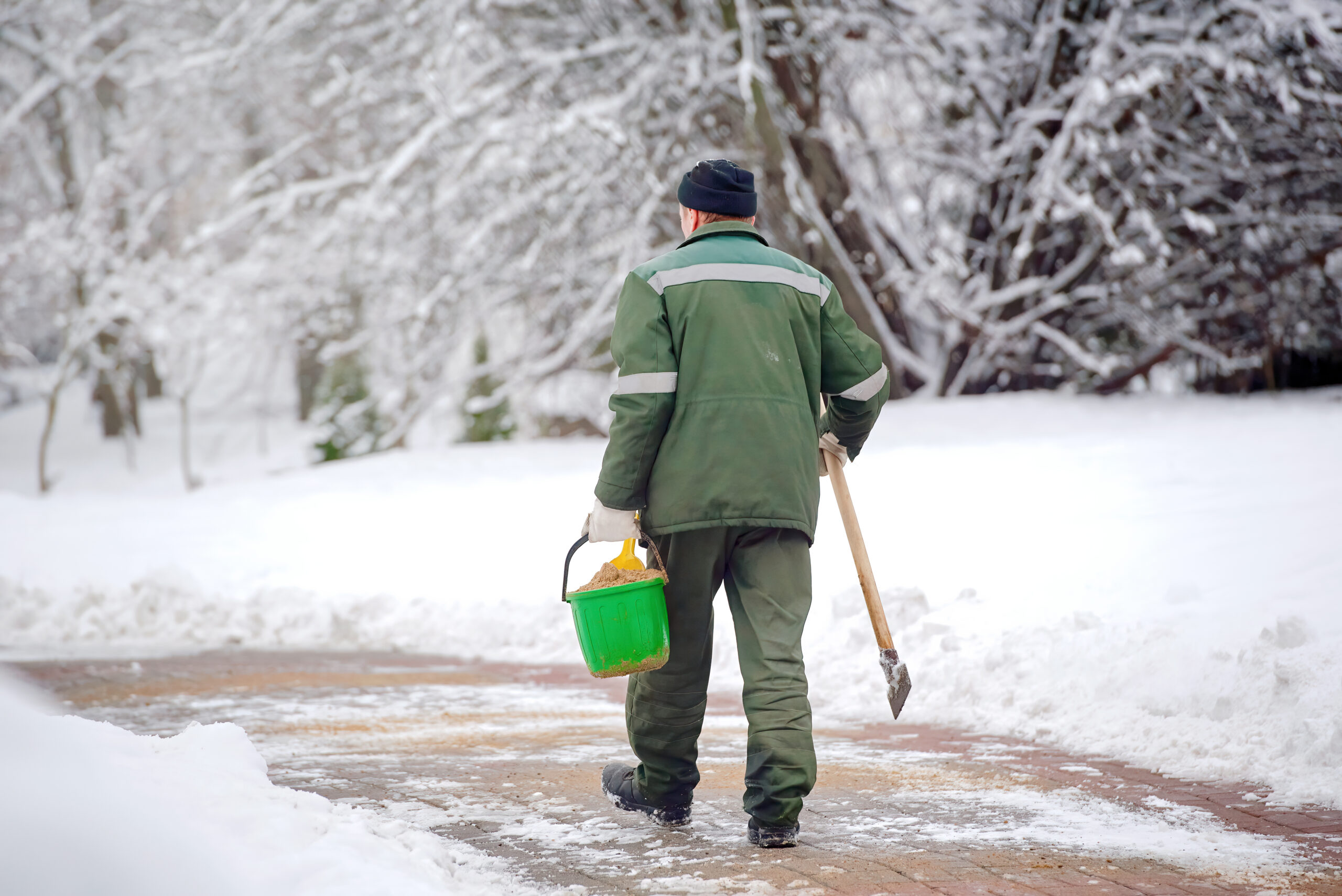
Why Salt Application Temperature Matters in Kenosha
Winter in Kenosha can swing from wet and slushy to bitter and dry in a single week. That makes choosing the right de-icing method more than a guess. It is a decision that affects safety, budget, pavement life, and the environment. This guide explains how salt application temperature drives results and shows when brine, pre-wet, or rock salt is the smart choice for your driveway, sidewalk, or small commercial lot. Salt application temperature insights for Kenosha help you learn when brine, pre-wet, or rock salt works best in cold snaps. Optimize safety and budget. Get the guide now so you can plan each storm with confidence.
The Doctors of Landscaping has served Kenosha for more than three decades. Our crews handle residential and small commercial snow removal, and we fine-tune every application to the pavement temperature and the type of storm on the way. Whether you manage a storefront, a multifamily property, or your family home, getting salt application temperature right keeps surfaces safer and cuts waste, and that helps you spend less over the season.
Pavement Temperature vs Air Temperature
If you track only air temperature, you will miss the number that matters most. Pavement temperature controls how fast ice melts, how quickly brine forms, and whether treated areas refreeze. On sunny days, pavement can sit 5 to 15 degrees warmer than air. On clear, windy nights, it can sit colder. Doctors of landscaping measures surface temperatures before deciding how to treat each site, because a 5 degree difference can make rock salt either a hero or a waste.
What does this mean for your driveway or lot in Kenosha? When the pavement temperature is above about 20 degrees Fahrenheit, standard rock salt performs well for de-icing. Between 10 and 20 degrees, pre-wetted salt usually outperforms dry rock salt. When the pavement drops near 10 degrees and below, liquids or blended products become more reliable, and mechanical removal plus judicious use of specialty chlorides may be needed. That is the practical core of salt application temperature.

Understanding Your Options: Rock Salt, Brine, and Pre-Wet
Rock Salt at a Glance
Rock salt is sodium chloride in solid crystal form. When it absorbs moisture, it creates brine, which lowers the freezing point and melts ice. It is affordable, easy to store, and readily available in Kenosha. However, its melting power slows in colder conditions, and dry crystals can bounce, scatter, and blow off target. The key is to match rock salt to the right salt application temperature and to spread it evenly at the right rate.
Best Temperature Range for Rock Salt
For most residential and light commercial sites, rock salt is effective when pavement temperature sits around 15 to 30 degrees Fahrenheit. It can still work a bit colder if there is sunlight or traffic to help it dissolve. If the pavement is colder than about 15 degrees, performance drops. You will often use more product, wait longer for results, and run a higher risk of refreeze. That is when it is time to consider pre-wet or a liquid strategy.
Pros and Cons of Rock Salt
- Pros: Budget friendly, quick to apply, reliable in moderate cold, improves traction as it begins melting.
- Cons: Slower below 15 degrees, can scatter off pavement, contributes to corrosion if overused, can burn turf when overapplied near edges.
The Doctors of Landscaping uses rock salt when the salt application temperature window is right and the event is a typical Kenosha snow. We calibrate spreaders, control bounce, and reduce edge loss to keep sidewalks, entries, and lanes safe without wasting product.
Brine at a Glance
Brine is a liquid solution, most commonly 23 percent sodium chloride and water. We apply it to pavement before the storm or in light accumulations. It dries to leave a salt residue that reactivates quickly as snow begins. The goal is to prevent the bond between snow or ice and the surface. That makes plowing cleaner and makes any needed de-icing happen faster.
Best Temperature Range for Brine
Brine is ideal for anti-icing when the pavement temperature is roughly 15 degrees and above, and when wind and precipitation rates are manageable. Because brine is already in solution, it works faster than dry salt at the same salt application temperature. In very cold snaps or in heavy, blowing snow, brine may dry too quickly or dilute too fast. In those cases, the doctors of landscaping adjusts the plan toward pre-wet or a different liquid blend.
Pros and Cons of Brine
- Pros: Sticks to the surface, fast acting, reduces total salt use, improves plow efficiency, lowers refreeze risk after plowing.
- Cons: Requires proper timing, not ideal in high winds or heavy sleet, may need follow-up treatment in long storms.
Used correctly, brine helps reduce total salt used across a winter by 20 to 40 percent while keeping slip risk lower. That is a direct win for safety and budget, and it is a smart response to the realities of Kenosha winters.
Pre-Wet at a Glance
Pre-wetting means applying a liquid to rock salt at the spinner or in the hopper so the crystals hit the pavement already damp. We can pre-wet with sodium chloride brine, magnesium chloride, or calcium chloride depending on the salt application temperature and storm type. Pre-wet reduces bounce and scatter, helps crystals start melting faster, and improves performance in colder conditions.
Best Temperature Range for Pre-Wet
Pre-wetting shines between about 0 and 20 degrees Fahrenheit pavement temperature, especially for de-icing. With sodium chloride brine as the pre-wet, performance improves in the teens. With magnesium or calcium chloride as the pre-wet liquid, salt can work in single digits and even below zero with careful management. This flexibility is why The Doctors of Landscaping often chooses pre-wet in cold Kenosha mornings after an overnight freeze.
Pros and Cons of Pre-Wet
- Pros: Faster melting, better accuracy, reduced product loss to wind or traffic, extended low temperature performance.
- Cons: Requires liquid handling equipment, liquids can be more corrosive if misused, needs trained operators to match mix to conditions.
Doctors of landscaping trains crews to identify when to switch from dry salt to pre-wet salt to keep walkways and lots safe with less material. The right pre-wet choice protects your budget and reduces the number of return visits needed during prolonged events.
A Simple Temperature-Based Decision Guide
Use this quick guide to match method to salt application temperature. The steps assume normal traffic, standard pavement, and typical Kenosha humidity. Adjust for sun, wind, and storm intensity.
- Pavement 25 to 32 degrees: Use rock salt for de-icing. If snow is forecast, apply brine as anti-icing a few hours ahead for cleaner plowing.
- Pavement 15 to 25 degrees: Rock salt still works. For faster results and lower use, choose pre-wet with sodium chloride brine or pre-treat with brine. Expect shorter refreeze windows with pre-wet.
- Pavement 5 to 15 degrees: Move to pre-wet with magnesium chloride or calcium chloride blends, especially for de-icing. Brine can still be used for anti-icing when wind is low and timing is right.
- Pavement 0 to 5 degrees: Rely on pre-wet with calcium chloride blends and thorough mechanical removal. Consider light abrasives for traction on steep grades. Monitor closely for refreeze.
- Pavement below 0 degrees: Focus on scraping and traction. Use specialty chlorides sparingly where safety demands. Plan follow-up when temperatures rise. Call a pro such as The Doctors of Landscaping for site-specific planning.
Remember that sunlight can raise pavement temperature quickly even on cold days, while shade and wind can push it lower. The doctors of landscaping uses on-site readings along with local forecasts to fine-tune each step throughout a storm.
Storm Type Matters Too
Dry, Powdery Snow
Dry snow in single-digit air temperatures is best handled by plowing early and often, then treating with pre-wet where needed. Rock salt alone will be slow to act at these salt application temperatures. Brine is less effective if high winds are present since it can dry before snow arrives.
Wet Snow and Slush
For wetter snow with pavement in the 20s, brine as an anti-icer paired with a clean plow pass creates a quick return to bare pavement. Follow with a light rock salt application to prevent refreeze overnight. This sequence uses less material and speeds clearing.
Freezing Rain and Sleet
Pre-treat with brine ahead of the storm if roads are dry and wind is manageable. If ice begins forming, switch to pre-wet salt with a colder blend to break the bond. Expect to reapply in waves as the precipitation continues.
Right-Sizing Application Rates
Using the correct amount of material is as important as picking the right method. Over-application wastes money and can damage nearby turf and concrete. Under-application slows melting and raises slip risk. The ideal rate depends on pavement temperature, precipitation rate, and surface conditions.
As a general guide, lighter rates work when pavement temperatures are in the upper 20s and traffic is helping to grind and dissolve the salt. Heavier rates are needed as salt application temperature drops and when compacted snow or ice is present. Pre-wet allows you to use lower rates at the same temperature because more of the product stays where it is needed. Doctors of landscaping calibrates spreaders, adjusts spinner speed, and sets gate openings to target rates site by site. That is how we hit performance targets while controlling cost and environmental impact.
Protecting Pavement, Plants, and Pets
Chloride-based de-icers can be hard on concrete, metals, and vegetation if applied carelessly. Smart choices reduce risk without sacrificing safety.
- Keep product on pavement. Avoid throwing salt into lawns or planting beds. Sweep stray crystals back onto hard surfaces.
- Use brooms or shovels first. Mechanical removal reduces how much de-icer you need to finish the job.
- Choose treated products when needed. Pre-wet and blended liquids can cut total salt use.
- Watch gutter lines. Excess salt washing into planting beds can damage roots. Direct meltwater to safe drainage areas when possible.
- Pick pet-friendly areas. Rinse paws after walks and store bagged products away from entryways.
The Doctors of Landscaping pairs correct salt application temperature decisions with careful product selection. We take pride in keeping properties safe while respecting your landscape investment.
How Smart De-Icing Controls Your Costs
Salt prices and winter storm counts vary every year in Kenosha. You cannot control the weather, but you can control how you respond. Matching the method to the salt application temperature cuts material waste, reduces return trips, and speeds up bare pavement time. Brine pre-treatment reduces total salt use and improves plow performance. Pre-wet shortens melt times and lowers bounce and scatter. Over a season, these gains add up.
There is also a liability benefit. Faster melt and fewer refreeze events mean fewer slip incidents at entrances, ramps, and sidewalks. That matters for homeowners and small businesses alike. It is one more reason the doctors of landscaping invests in training, temperature monitoring, and equipment that can switch between methods on the fly.
When to Call The Doctors of Landscaping
If your driveway, walkways, or lot sees repeated freeze-thaw cycles, shaded sections, or steep grades, site-specific planning pays off. The Doctors of Landscaping is locally owned and operated, with more than 30 years serving Kenosha. What began as a small lawn maintenance business now offers full-service landscaping and reliable snow removal for residential and small commercial clients. You can count on detailed, dependable, and customer-focused service year-round.
We bring the same reliability and attention to detail to winter operations that we bring to mowing, edging, plantings, patios, and retaining walls. We measure pavement temperatures, choose brine, pre-wet, or rock salt to match each storm, and return as needed to keep your property safe. You get one dedicated provider for all outdoor needs, free estimates, efficient scheduling, and complete clean-up.
Frequently Asked Questions
Is brine better than salt?
It depends on timing and salt application temperature. Brine is excellent for anti-icing before a storm and works quickly in the 15 to 30 degree range. It reduces total salt use and helps plows clear cleanly. For bonded ice in colder temps, pre-wet or specialty blends may perform better. The best approach often combines brine and granular salt at different stages of the storm.
Does pre-wetting really make a difference?
Yes. Pre-wetting helps crystals stick to the pavement and start melting faster. It reduces bounce and scatter, so more of what you pay for stays on the surface. In the teens and single digits, pre-wet with an appropriate liquid can be the difference between slow melting and steady progress.
What if the air is below zero?
Check pavement. On sunny days, pavement can still be warmer than air, and that opens up more options. If both are near or below zero, focus on plowing, scraping, and targeted applications with colder-performing liquids. Plan on follow-ups as temperatures rise. The doctors of landscaping can evaluate your site and recommend safe, cost-effective steps.
Will these products harm my lawn or concrete?
Any chloride used in excess can harm turf and some types of concrete. The solution is right-sizing applications, keeping product on pavement, and using brine or pre-wet to reduce total usage. We also recommend spring flush watering along edges if heavy salt was necessary during extreme cold.
Your Next Step
Smart winter maintenance in Kenosha starts with understanding salt application temperature and choosing the right method for each storm. Rock salt is dependable when the pavement is warmer. Brine is a standout for anti-icing and fast response. Pre-wet extends performance into colder conditions and reduces waste. When you want a precise, dependable plan that protects people, pavement, and budget, call The Doctors of Landscaping. Our team brings confidence, reliability, and technical know-how to every visit, backed by more than 30 years of local experience. Get your free estimate and let us tailor a de-icing program to your property before the next cold snap hits.







Leave A Comment