
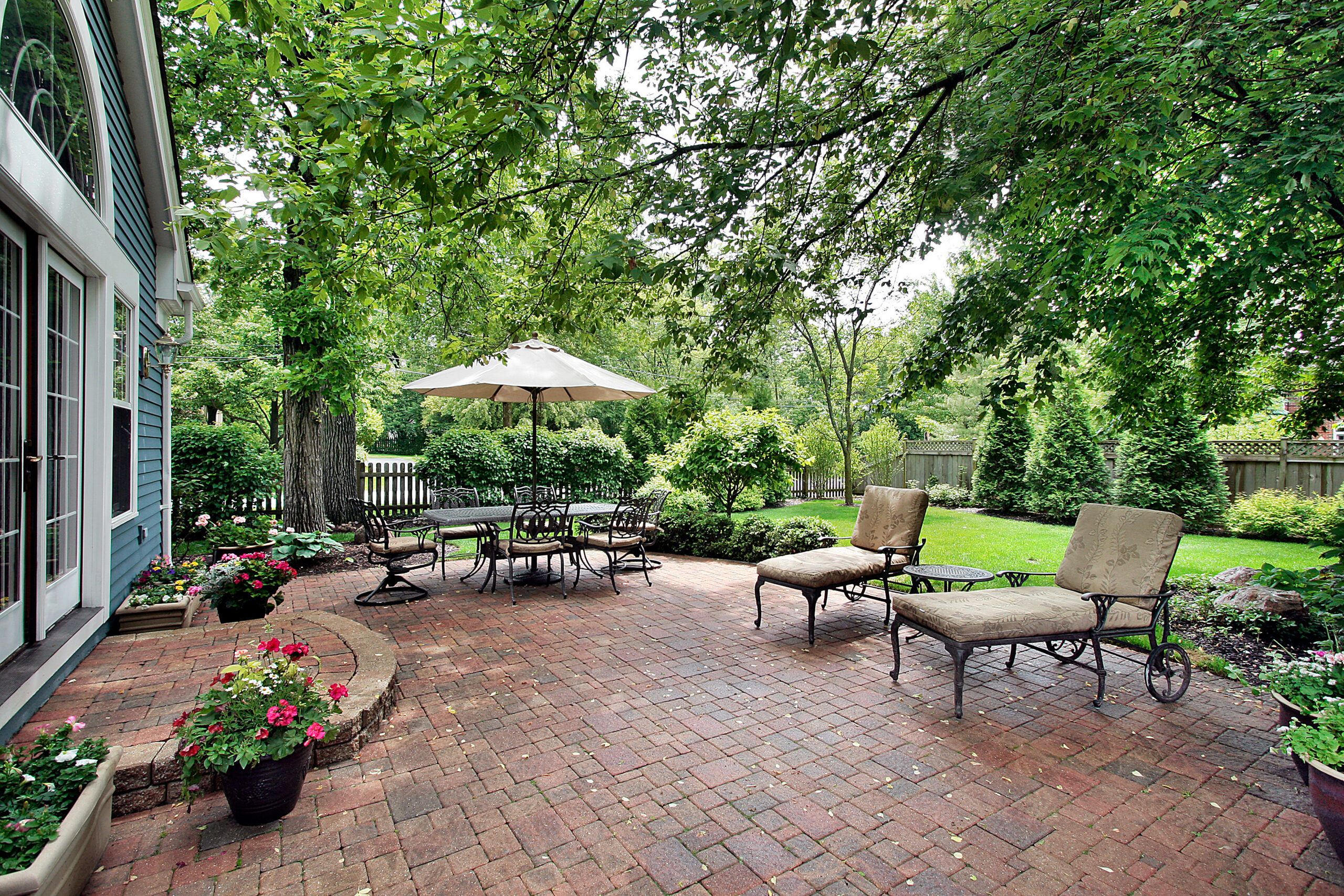
Patio feels uneven? You are not alone. Many homeowners notice wobbly stones, soft spots, or dips that make a patio feel unsafe and frustrating. In this guide, you will learn why your patio doesn’t feel solid underfoot and how to fix it fast, along with proven methods The Doctors of Landscaping uses to restore stable footing that lasts in Kenosha’s climate.
How to Tell When Your Patio Feels Uneven
Sometimes the signs are obvious, like a rocking paver or a puddle after rain. Other times the problem is subtle, such as a hollow sound under a slab or a slight tilt your eye misses but your feet detect. If your patio feels uneven, check for these clues.
- Individual pavers rock when stepped on or when you push a corner.
- Edges are loose, creeping outward, or missing restraint.
- Water pools in small depressions instead of draining away.
- Grout or joint sand is missing, washed out, or spilling onto surrounding areas.
- There is a spongy feel underfoot after rain or snowmelt.
- Furniture wobbles despite flat legs, or a grill feels tilted.
- You hear a hollow thunk when tapping slabs with a rubber mallet.
Top Reasons Your Patio Doesn’t Feel Solid Underfoot
Poor Base Preparation
The most common cause is a weak base. A proper patio base needs the right depth, proper material, and consistent compaction. If an installer skimped on excavation, used soft or inconsistent aggregate, or skipped compaction in layers, the base can settle. That creates voids and movement that you feel as rocking or sinking. In Kenosha and across Southeast Wisconsin, many yards have clay-heavy soils that hold water. Without a firm, well-compacted base, clay expands and contracts and your patio feels uneven within a season or two.
Drainage and Water Issues
Water is powerful. Downspouts, sump discharge, or lawn grading can send runoff under the patio. Over time, water washes fines from the base, softens subsoil, and creates pockets that collapse under foot traffic. Poor drainage also encourages frost heave in winter and pumps water into joints during spring thaw.
- Downspouts discharging near the patio edge or under it.
- Patio slope too flat to shed water, allowing puddles to form.
- Soil grade pitched toward the patio instead of away from it.
Freeze-Thaw Cycles and Frost Heave
In Wisconsin, freeze-thaw is a big factor. When moisture in the soil freezes, it expands and lifts the patio. When it thaws, materials settle unevenly. Repeated cycles cause uneven movement, leaving high and low spots and loosening joints. Without drainage layers and frost-appropriate base depth, you will feel the effects underfoot.
Settling Soil After Construction
If your patio was built soon after home construction or yard reshaping, the subsoil may not have fully settled. Fill material can compact over time, especially if it was not mechanically compacted in lifts. That delayed settling creates dips that get worse with weather and use.
Tree Roots and Organic Decay
Roots grow under patios searching for moisture and can lift pavers or slab sections. On the other hand, buried organic matter like stumps, roots, or sod can decay and collapse, creating voids that cause a soft, uneven feel. Both issues are common near older plantings and at the edges of patios.
Ants and Burrowing Critters
Ants love joint sand. If you see sand piles or tunnels and your patio feels uneven in patches, ants may be undermining the base. Some small animals dig near edges, which destabilizes borders and pavers.
Edge Restraint Failure
Edge restraints keep pavers locked in place. Without solid edging or with spikes that have loosened, the sides can creep and open gaps. Once the edge moves, joints widen, sand washes out, and rocking gets worse.
Grout or Joint Sand Problems
On paver patios, joints filled with polymeric sand or joint sand hold surface interlock and help shed water from the joints. If sand washes out, or if non-polymeric sand is used where polymeric is needed, pavers lose support at the edges and start to rock. For concrete slab patios, cracked or loose mortar can let water in and weaken the soil, causing a spongy feel.
Quick Diagnosis: A 15-Minute Checklist
If your patio feels uneven, you can pinpoint likely causes with a fast inspection. Try this step-by-step approach.
- Walk the surface slowly and mark any rocking stones or dips with chalk or tape.
- Lay a 4 to 6 foot straightedge or a long level across suspect areas. Note gaps under the straightedge or seesawing movement.
- Tap pavers or slab sections with a rubber mallet. A sharp, solid sound is good. A hollow sound suggests voids.
- Check edges for movement, missing spikes, lifted edging, or outward creep.
- Look at joint sand. Is it low, loose, mossy, or washed out? Are ants present?
- Find water sources. Track downspouts, sump discharge, irrigation heads, and hose bibs. Watch for signs of runoff paths cutting toward or under the patio.
- Evaluate slope. Water should move away from the house and off the patio. If water hangs around, slope or settling is an issue.
- Note nearby trees or shrubs. Look for roots heaving the surface or concentrated lifting near trunks.
Fast Fixes You Can Try Today
Simple surface fixes can restore comfort and safety when the issue is minor. If your patio feels uneven in only a few small spots, these DIY steps can help. For wider movement or repeating problems, plan for a deeper repair or call The Doctors of Landscaping for a professional assessment.
Re-level a Few Rocking Pavers
- Lift the paver with two putty knives or paver lifters. Work gently to avoid chipping edges.
- Brush away loose material and clean the bedding layer.
- Add and level fresh bedding sand. Screed it flat so the paver sits flush with neighbors.
- Reset the paver and tap into place with a rubber mallet. Check level against surrounding stones.
- Sweep polymeric sand into joints and compact with a tamper. Mist lightly to activate if using polymeric sand. Follow product instructions.
Top Up Polymeric Sand in Low Joints
- Dry-clean the surface. Remove debris, weeds, and loose sand. The surface must be completely dry.
- Pour polymeric sand and sweep into joints until packed full.
- Compact the surface with a tamper or plate compactor with a protective pad.
- Top off joints again after compaction and sweep off all residue.
- Mist lightly per product directions. Avoid overwatering which can cause haze or washout.
Manage Water Right Away
- Extend downspouts at least several feet away from the patio.
- Reposition sprinklers so they do not soak joints or edges.
- Fill small voids along edges with compacted gravel and re-secure edge restraints with appropriate spikes.
- Clear surface drains and keep nearby gutters clean to reduce overflow.
When a Full Repair or Rebuild Is the Smart Move
DIY surface fixes work for isolated issues. If your patio feels uneven across a large area or problems come back after every winter, the base is likely failing. In that case, a professional rebuild or deep repair will save time and deliver long-term stability.
- Widespread rocking or sinking across multiple areas.
- Visible base contamination with clay, soil, or mud pumping up through joints.
- Chronic water problems that minor grading cannot solve.
- Severe edge failure or missing restraints on multiple sides.
- Signs of frost heave every winter and recurring dips in spring.
Professional Solutions That Last
The doctors of landscaping has more than 30 years of experience building and repairing patios that stand up to Kenosha’s weather. Our approach is methodical, based on sound installation practices, and tailored to your yard’s soil and drainage. Here is how we restore patios so they feel solid underfoot for the long haul.
Full Base Reconstruction
We lift and stage usable pavers, excavate to the correct depth, and install a compacted, graded base made from the right aggregate for local soils. We compact in lifts using professional plate compactors, establish the correct slope for drainage, and set a consistent bedding layer before relaying pavers. Joints are filled with polymeric sand, and the entire surface is compacted and vibrated to lock everything in place.
Soil Stabilization and Geotextiles
On clay or mixed soils common in Kenosha, we often install a geotextile separation layer beneath the base. This prevents aggregate from migrating into the subsoil and adds stability. In some cases we use base materials designed for high load while maintaining proper permeability so water does not get trapped.
Drainage Upgrades
Good drainage is the backbone of a long-lasting patio. We add or improve surface slope, install channel drains or yard drains where needed, and reroute downspouts away from the patio footprint. If runoff from higher ground is a problem, we can incorporate swales or French drains to protect the patio base.
Concrete Slab Repair
For poured concrete patios with hollow spots or sinking, we evaluate whether slab lifting, partial replacement, or complete replacement is best. Injected lifting can work in certain conditions, but it is not a cure-all. Where soils are unstable or drainage is poor, we recommend correction at the root cause so the fix lasts.
Seasonal Protection and Maintenance
We recommend and provide seasonal services that protect your patio, including fall cleanups to keep debris off joints, spring inspections to adjust minor movement, and sealing where appropriate. Since The Doctors of Landscaping also handles snow removal for residential and small commercial clients, we understand how winter maintenance affects hardscapes and we use proper techniques to avoid damage.
Preventive Maintenance Checklist
Even a well-built patio benefits from simple upkeep. Use this checklist each season to keep things solid and safe.
- Spring: Sweep and inspect. Top up polymeric sand where joints look low. Look for dips or new movement.
- Before heavy rain: Make sure downspouts are extended and drains are clear.
- Summer: Keep vegetation edges trimmed and roots managed. Treat ant activity early.
- Fall: Remove leaves and debris so joints stay dry and clean. Inspect edge restraints.
- Winter: Use a plastic shovel on pavers. Avoid metal blades that can chip edges. Use de-icers approved for pavers if needed.
- Every two to three years: Consider resealing if your paver manufacturer recommends it and your patio sees heavy use.
Frequently Asked Questions
Why does my patio feel spongy after rain?
Moisture has likely softened the bedding layer or base. Water may be trapped under the patio, the base may not be draining, or runoff is entering from downspouts or higher ground. Once the base dries out, the sponginess often lessens but the cycle will repeat until drainage and base structure are corrected.
Can polymeric sand fix everything?
No. Polymeric sand locks joints and helps shed water, but it cannot make up for a poor or failing base. If your patio feels uneven in many areas, or if the base shifts with freeze-thaw, joint sand alone is a short-term patch.
Is a small dip dangerous?
A small dip might not be an immediate hazard, but it can collect water that weakens the base. Over time, the dip grows and tripping risk increases. Address small issues early to prevent bigger repairs.
How long should a patio last?
A properly built paver or slab patio should last decades with routine maintenance. In our climate, longevity depends on a frost-ready base, thoughtful drainage, and seasonal care. When installed and maintained well, you should not feel movement underfoot.
Will sealing help my patio feel more solid?
Sealing can protect the surface, enhance color, and reduce water penetration, but it does not stabilize a weak base. Think of sealing as protection, not structural reinforcement.
Why Homeowners in Kenosha Choose The Doctors of Landscaping
The Doctors of Landscaping is locally owned and operated in Kenosha, Wisconsin, with more than 30 years of experience. We started as a lawn maintenance company and grew into a full-service provider, which means we understand every part of your yard, not just the patio. From proper excavation and compaction to drainage and finishing touches, our crews follow best practices that deliver patios that feel steady and safe. Clients rely on the doctors of landscaping for dependable scheduling, clear communication, and complete clean-up. We offer lawn mowing, edging, bed and planting services, patios and walkways, retaining walls, seasonal maintenance including spring and fall cleanups, and snow removal for residential and small commercial properties. That makes us a single, trusted partner for all your outdoor needs.
- Proven installation methods for our freeze-thaw climate.
- Detailed site evaluations that address base, soil, and drainage together.
- Customer-focused service with free estimates and efficient scheduling.
- Clean job sites and respect for your property.
- Year-round care from a team you already know and trust.
If Your Patio Feels Uneven, Get Stable Footing Today
You should feel confident on your patio, not cautious. Whether you need a quick tune-up or a full rebuild, The Doctors of Landscaping is ready to help. We diagnose the real cause, explain your options in clear terms, and deliver repairs that stand up to Wisconsin weather. If your patio feels uneven or does not feel solid underfoot, contact the doctors of landscaping for a free estimate. We will get your patio stable, safe, and ready for everyday use.

Leave A Comment