
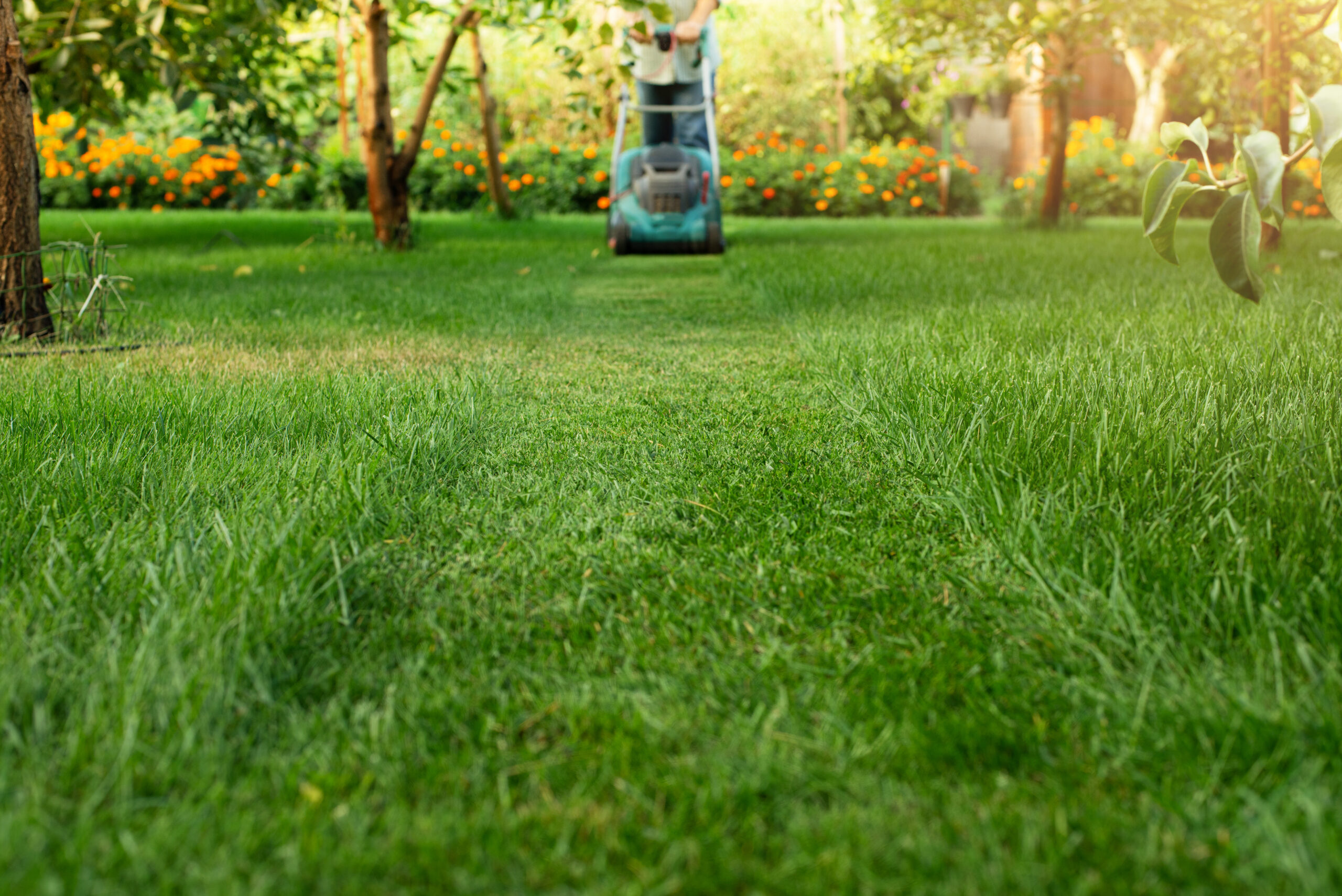
Cutting Grass Should Help, Not Hurt. Here Is How to Know the Difference
Regular mowing keeps your yard neat and healthy, but it can also cause hidden harm if done the wrong way. Many homeowners see thin patches, wheel ruts, or brown tips and assume pests or drought are to blame. Often the real issue is lawn damage from mowing. In this guide, you will learn the leading causes of mower-related problems, what warning signs to watch for, and how to prevent damage with smart habits. If you want stress-free results, doctors of landscaping in Kenosha can build a mowing plan that protects your turf all season.
Why Mowing Can Hurt Your Lawn
Grass Biology 101: Why Height Matters
Grass blades are more than looks. They are solar panels for the plant. When you cut too low, you remove the leaf area that fuels photosynthesis. Less leaf area means less energy for roots, which weakens the plant and invites weeds and disease. Proper height reduces heat stress, shades soil to hold moisture, and keeps the crown protected. Most cool-season grasses in Wisconsin perform best when kept higher in summer and moderate in spring and fall. This simple principle helps prevent lawn damage from mowing.
The Most Common Causes of Lawn Damage From Mowing
- Scalping from cutting too short
- Dull mower blades that shred and fray leaf tips
- Wheel ruts and soil compaction from heavy equipment or repetitive paths
- Clumping wet grass that smothers turf
- Deck not level, causing uneven cut heights
- Mowing during heat stress or drought
- Trimmer and edging burn along sidewalks and trees
- Infrequent mowing that forces removal of more than one third of the blade
- Bagging at the wrong time, which removes valuable nutrients
Warning Signs Your Yard Is Suffering
Immediate Clues After a Mow
- White or tan leaf tips within a day, a classic sign of dull blades
- Brown streaks or uneven stripes from a crooked deck
- Shiny, matted clumps that turn brown and suffocate the lawn
- Visible soil or crowns after a mow, indicating scalping
- Wheel tracks that stay visible longer than a few hours
Longer-Term Symptoms of Lawn Damage From Mowing
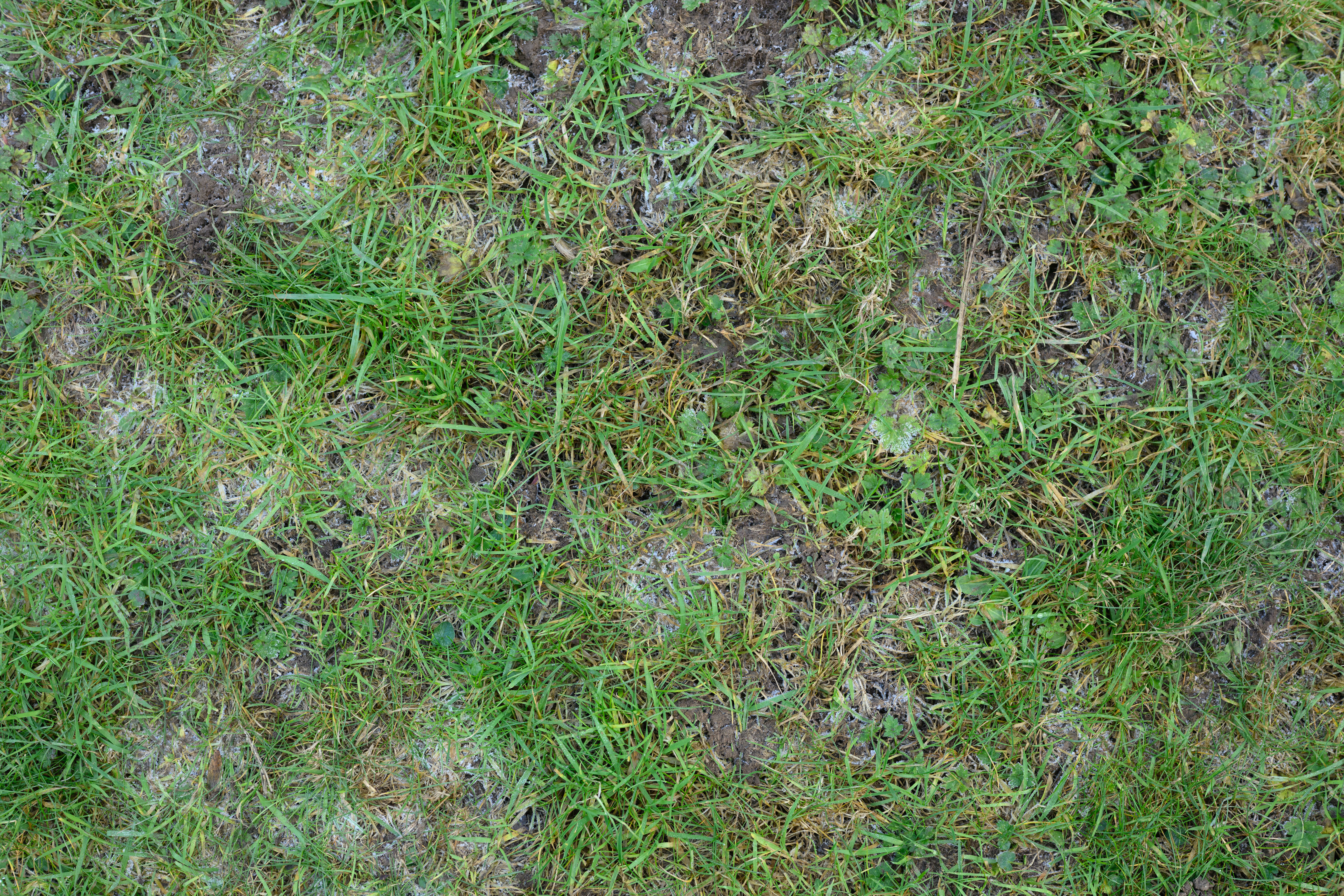
- Thinning turf and bare spots, especially on high spots and edges
- Weed outbreaks like crabgrass and goosegrass that love short, stressed lawns
- Moss and algae in compacted, shaded, and overcut areas
- Fungal issues such as leaf spot and brown patch after stress
- Slow recovery after rain or fertilizer compared to nearby areas
Preventing Lawn Damage From Mowing: Pro Tips That Work
Set the Right Mowing Height for Wisconsin Lawns
In Kenosha and the surrounding region, most lawns use cool-season grasses like Kentucky bluegrass, perennial ryegrass, and fescue. These varieties like a moderate to high cut. Adjust height with the seasons to reduce stress and discourage weeds.
- Spring: 2.5 to 3 inches to kickstart growth and manage moisture
- Summer: 3 to 4 inches to shade the soil and protect roots during heat
- Fall: 2.5 to 3 inches for steady growth and disease prevention
- Late fall final mow: around 2.5 inches to reduce snow mold risk
If you are unsure of your grass type, a safe rule is to raise the deck a notch in summer. This alone can cut lawn damage from mowing by reducing heat stress.
Follow the One Third Rule and a Consistent Schedule
Never remove more than one third of the grass blade in a single mowing. If the lawn is 4.5 inches, cut to 3 inches. During rainy or fast growth periods, you might mow more often. Consistency prevents shock and keeps clippings small enough to break down quickly.
Keep Mower Blades Sharp and the Deck Clean
Dull blades tear instead of slice. Torn tips dry out and look beige, like a frost burn, and the wound is a weak point for disease. For most homeowners, sharpening every 20 to 25 hours of mowing is smart. For small lawns, that might mean once per month in peak season. Also scrape the underside of the deck every few mows. Built-up debris disrupts airflow and creates clumps that smother grass.
Prevent Wheel Ruts and Soil Compaction
Repeated wheel paths press soil particles together, squeezing out air pockets that roots need. Ruts stay wet longer, invite disease, and slow recovery. To fix and prevent:
- Vary your mowing pattern weekly to spread the weight
- Avoid mowing when the soil is soft after heavy rain
- Reduce tire pressure to manufacturer specs, not above
- Use a lighter mower if the lawn is small or prone to compaction
- Aerate compacted areas in spring or fall
Mow in the Right Conditions
Wet grass sticks to blades and forms clumps. Heat-stressed turf is prone to scalping and bruising. For best results:
- Mow mid-morning after dew dries or late afternoon during summer
- Skip mowing during peak heat waves to prevent stress
- Delay mowing a day after soaking rain to avoid ruts
- Raise the deck a notch during droughts, then lower slowly as conditions improve
Mulch or Bag: Choose Based on Conditions
Mulching returns nitrogen and organic matter to the soil. It is usually the best choice and helps reduce lawn damage from mowing by feeding the turf naturally. Bag only when clumps form, during the first few spring cuts when growth is heavy, or when mowing weedy seed heads to avoid spreading them. If you bag, consider composting the clippings.
Trim and Edge Without Scalping
String trimmers can cut lower than your mower and dig into crowns. Tilt the trimmer head so the line is parallel to the ground and keep a light touch. Along walkways and beds, maintain a consistent edge but avoid digging into the soil. A clean edge looks sharp without harming turf.
Special Situations That Often Lead to Damage
After Heavy Rain
Wet soil and lush growth make lawns vulnerable. Wait until the ground is firm and the leaf blades are dry. If the grass is very tall, raise the deck and make two passes over a few days rather than a single hard cut. This reduces stress and keeps your mower from clogging.
During Drought or Heat
Raise your mowing height and mow less often. Avoid cutting during peak afternoon heat. Leave clippings on the lawn to conserve moisture. Most cool-season lawns go semi-dormant in severe heat and can recover when rain returns if not overcut. This approach limits lawn damage from mowing and helps roots stay stronger.
New Seed or Fresh Sod
Do not mow new seed until it reaches at least 3 to 4 inches and is well anchored. For new sod, wait until it roots firmly, then make the first cut at a higher setting. Keep blades very sharp to avoid lifting or tearing.
Shade, Slopes, and High-Traffic Areas
Shaded turf needs more leaf area to photosynthesize, so raise the height in those spots. Slopes dry faster and are prone to scalping. Cut across the slope when safe, not up and down, to avoid slipping and cutting too low at the crest. Paths that get heavy foot traffic benefit from more frequent but gentler cuts and occasional aeration.
Seasonal Transitions in Wisconsin
Spring brings rapid growth, so follow the one third rule and consider mulching to return nutrients. In summer, keep the lawn taller to protect roots. In fall, gradually lower the height for the last few mows. A slightly shorter final cut can reduce snow mold risk without scalping. These small adjustments prevent common lawn damage from mowing in the Kenosha climate.
Equipment Setup Checklist Before You Cut
- Confirm mowing height with a ruler on a hard surface
- Sharpen and balance blades, then tighten bolts
- Level the deck side to side and front to back per your manual
- Set tire pressure to the recommended PSI
- Clean the deck underside to clear old clippings
- Check that the discharge chute or mulch plug is installed correctly
- Test safety features and throttle response
- Walk the lawn to remove sticks, toys, and stones
- Plan your mowing pattern to alternate directions from last time
- Have a rake or blower ready to spread any clumps
How doctors of landscaping Protects Your Turf
The Doctors of Landscaping is a locally owned and operated company in Kenosha, Wisconsin, with more than 30 years of experience. What started as a small maintenance operation is now a full-service provider. The team offers lawn mowing, edging, and clean-up, bed and planting services, hardscaping like patios and retaining walls, seasonal maintenance, and snow removal for residential and small commercial clients. When you choose doctors of landscaping, you get proper installation practices, attention to detail, and reliable scheduling from one trusted provider.
Our mowing crews follow proven practices to prevent lawn damage from mowing. We set season-appropriate heights, use sharp and balanced blades, vary mowing patterns, and clean up clippings for a clean finish. We also check the deck level and equipment setup before each route. If we see early signs of stress, fungus, or compaction, we let you know and recommend a fix. You can expect consistent results, clean edges, and a tidy property every visit.
Service Plans Built for Your Yard
Every lawn has unique sun, soil, and traffic conditions. Doctors of landscaping builds a plan that fits your goals and budget. Weekly cuts during peak growth, biweekly trims during slow periods, and height changes at seasonal transitions are all included. If you need more than mowing, we can design and install beds and plantings, build a new patio, or handle spring and fall cleanups. When winter arrives, our snow removal crews keep driveways and small commercial sites clear and safe.
FAQ: Quick Answers About Lawn Damage From Mowing
How often should I sharpen mower blades?
For most homeowners, sharpen every 20 to 25 hours of mowing, or about once per month during heavy growth. If you notice tan tips after a cut, sharpen sooner.
What height should I mow my lawn in summer?
For cool-season lawns in Kenosha, 3 to 4 inches helps reduce heat stress and protects roots. Taller grass also shades soil and discourages weeds.
Is bagging or mulching better?
Mulching is best for the lawn most of the time because it returns nutrients and supports soil health. Bag when the grass is wet and clumping, when cutting off more than one third, or when removing seed heads from weeds.
How do I stop wheel ruts?
Vary the mowing pattern, avoid mowing on saturated soil, reduce tire pressure to the correct level, and consider aeration to relieve compaction.
Why does my lawn turn brown after mowing?
Common causes include dull blades that fray tips, cutting too low, or mowing in heat or drought. Adjust the height, sharpen the blade, and mow during cooler parts of the day.
Can mowing spread disease?
Yes. Wet clippings and dull blades can spread fungal spores. Mow when dry, keep the deck clean, and use sharp blades to reduce risk.
A Simple Mowing Routine That Protects Your Lawn
Most lawn damage from mowing comes from a few fixable habits. Keep the deck high enough for the season, follow the one third rule, mow when grass is dry, and sharpen your blade often. Vary your path to avoid ruts and leave clippings when conditions allow. Add aeration for compacted areas and take special care after rain or during heat waves. With these basics, your yard can look thicker and greener within weeks.
Ready for Expert Help in Kenosha?
If you feel stuck or short on time, doctors of landscaping can handle the details. Our experienced crews deliver reliable, careful mowing that protects your turf and elevates curb appeal. We offer free estimates, efficient scheduling, and complete clean-up. From weekly cuts to full landscape makeovers, The Doctors of Landscaping makes outdoor care simple. Reach out today to stop lawn damage from mowing and get a healthy, good-looking yard season after season.




Leave A Comment