
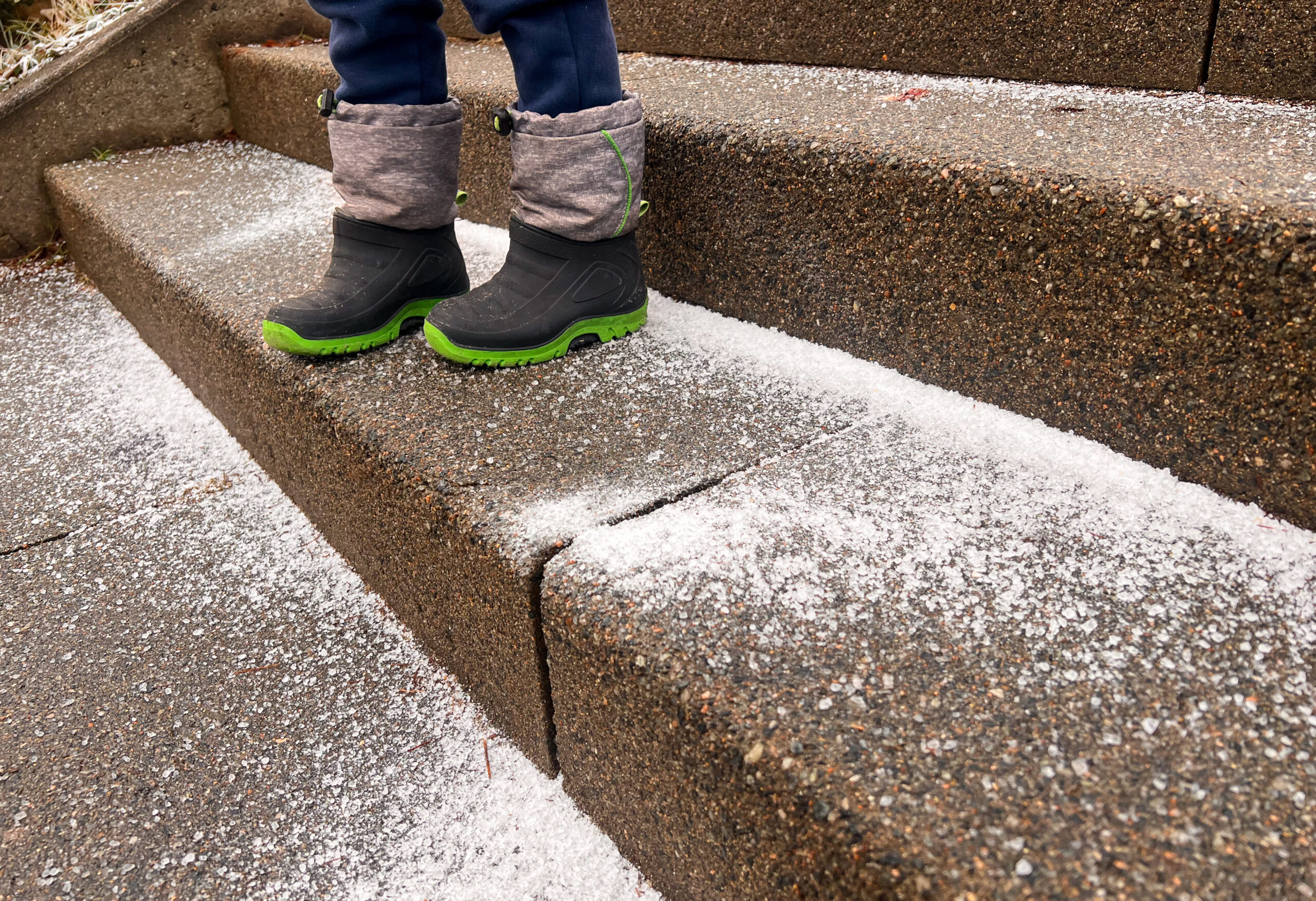
Why accessible routes matter when the snow flies
Winter does not pause accessibility needs. People who use wheelchairs, walkers, canes, strollers, and service animals still need safe, predictable routes from the parking lot to your entrance. When snow piles up or refreezes as ice, the first places to become impassable are usually curb ramps and accessible parking stalls. If you operate a business in Kenosha, protecting these routes is not only the right thing to do for customers and staff, it is also required. When you plan for ada snow removal kenosha with a clear strategy, you lower risk, prevent injuries, and reduce the chance of fines or complaints.
Doctors of Landscaping understands how quickly winter weather shifts near the lake. Our team focuses on accessibility details others overlook so your site stays compliant and welcoming. The steps you take before and during a storm will decide whether your accessible routes remain open or become a hazard.
What ADA expects about snow and ice
The Americans with Disabilities Act expects accessible routes to be usable at all times, including winter. While the ADA does not list a specific number of hours for snow removal, it does set performance standards that apply all year. In simple terms, snow and ice cannot block accessible paths, parking stalls, access aisles, curb ramps, or entrances.
Here are a few baseline accessibility measurements to keep in mind as you plan ada snow removal kenosha:
- Clear width on accessible routes should be at least 36 inches.
- Ramps should not be steeper than a 1:12 slope and landings must be level and clear.
- Cross slopes should be as level as possible, often not more than 2 percent.
- Accessible parking must include marked stalls, access aisles, and signage, and these areas must be kept clear and usable.
Snow windrows, ice ridges, and slush piles can break these rules even if your site was designed correctly. That is why the focus is not just about plowing fast, it is about plowing smart with accessibility as the priority.
High priority areas you cannot ignore
Curb ramps that connect parking to the sidewalk
Curb ramps are the narrowest and most critical points on the accessible route. They are also where plows and blowers tend to dump snow. Even a small ridge at the base of the ramp can stop a wheelchair or walker. In many lots, curb ramps are placed at the end of aisles or along the main accessible route. If the plow pushes a windrow across the mouth of the ramp, your access is functionally closed.
Focus on these steps to keep ramps open:
- Flag each curb ramp before the season so crews can see them in low visibility.
- Cut windrows at ramps and carry snow to designated storage areas instead of stacking near the ramp.
- Shovel or snow blow the ramp and both landings, then apply an anti-icer or deicer early.
- Check for black ice overnight. Ramps often refreeze first because of slope and shade.
Accessible parking stalls and access aisles
Accessible stalls are only usable if the access aisle is completely clear. This striped zone is where ramps deploy and where people load wheelchairs. If the aisle or the area behind the stall is blocked by snow banks, the stall is not accessible. Van accessible stalls need even more space for side-loading lifts.
Build these practices into your ada snow removal kenosha plan:
- Clear the full width of the stall and the entire access aisle to bare pavement.
- Maintain a smooth transition from the stall into the aisle without ridges.
- Keep signage visible by clearing snow that blocks the sign post.
- Do not pile snow at the head or side of accessible stalls. Move it to a dedicated storage area.
Sidewalks, crosswalks, and entrances
The accessible route does not stop at the stall. Sidewalks to the entry, crosswalks through the lot, and door thresholds must all be clear. Even a thin layer of ice at the entrance can cause slips. Handrails and door hardware should be reachable, which means pushing back snow berms and keeping landing areas open.
For Kenosha properties, freeze-thaw cycles are common. Daytime melting followed by nighttime refreeze creates a film of ice that looks harmless but feels like glass. Plan for a follow-up service or self-treatment round when temperatures drop after sunset.
Common winter violations and how to fix them fast
Most complaints we see are preventable with better routing and site management. Here are common issues and quick fixes:
- Windrow blocking a curb ramp: Cut through the ridge with a shovel or blower and remove the snow back to the gutter. Do not leave a channel that will fill with slush again. Relocate the snow to a storage zone.
- Access aisle filled with plowed snow: Reopen the aisle by moving snow off the striping, then treat with anti-icer to reduce refreeze. Re-train your plow route to avoid pushing into the aisle next time.
- Piles in front of accessible stalls: Push piles deeper into the lot perimeter or to a designated area far from accessible spaces. Mark no-pile zones before the season.
- Slippery door thresholds: Chip any ice buildup, sweep clean, and treat with a chloride blend that works at lower temperatures. Confirm mats are secure and do not create edges or gaps.
- Blocked sidewalk corners at public crossings: Coordinate with your contractor or neighboring property so the corner stays open. Clearing only your frontage is not enough if the corner mound remains.
A practical winter operations plan for businesses
Before the season starts
Preparation reduces stress and cost during storms. Use this checklist to set up your ada snow removal kenosha plan:
- Walk the site and map all accessible stalls, access aisles, curb ramps, crosswalks, and entrances.
- Install tall, flexible markers around no-pile zones and at every ramp and aisle.
- Define snow storage areas that do not drain across accessible routes.
- Decide your trigger depths and service levels. Many sites choose pretreatment before events and plowing at one to two inches, with shoveling at every visit.
- Stock deicers that work at the temperatures Kenosha sees in January and February, not only at mild temps.
- Train staff on where to move snow and who to call for refreeze or daytime spot treatments.
During the storm
Your goal while it is snowing is to keep priority routes passable and prevent compaction. Plow and shovel accessible areas early in each pass. Pretreating ramps and aisles can dramatically reduce bonding and make each clearing faster.
- Open up main driving lanes and then immediately clear accessible stalls and aisles to bare pavement.
- Cut through any windrows at curb ramps as soon as they form.
- Keep entrances and walkways open with frequent touch-ups, especially if the snow is wet or heavy.
- Apply the right amount of deicer to high risk areas. Using too much can be as bad as too little since it creates brine that refreezes later.
After the storm and the overnight refreeze
Most slip incidents happen hours after the last flakes fall. As temperatures drop, meltwater flows across ramps and freezes at joints and channel drains. Build a follow-up window into your contract or team plan:
- Return in the evening to spot treat ramps, aisles, and shaded routes.
- Scrape and broom surfaces before applying more salt so product works on clean pavement.
- Widen pedestrian paths after the push to maintain at least 36 inches and add passing spaces if needed.
- Check downspouts and roof drainage that discharge onto routes. Redirect flow away from paths when possible.
Materials and methods that protect accessibility and pavement
Choosing the right products helps you meet ADA performance requirements and protect surfaces. Doctors of Landscaping uses materials matched to conditions we see across Kenosha winters.
- Anti-icers applied before storms reduce bonding and make shoveling faster.
- Calcium chloride and magnesium blends work in colder temps than rock salt and can limit refreeze at ramps.
- Traction aids like treated sand can help on very cold days. Sweep up later so it does not clog drains.
- Plastic or rubber blade edges help protect pavers and decorative concrete near entrances and ramps.
- Low profile pushers and hand tools are best for aisles and ramps to avoid scraping signs, rails, and posts.
Avoid piling salty slush on landscaping you want to protect. Choose storage spots that are graded away from accessible paths so meltwater does not flow where people walk.
Documentation that shows diligence and reduces risk
If someone slips or an inspector visits, well-kept records show that you acted reasonably. Documenting your ada snow removal kenosha plan and actions can protect your business.
- Keep a site map that marks accessible features and no-pile zones.
- Log service times, conditions, and materials used for every visit.
- Take quick photos of curb ramps and accessible stalls after clearing.
- Note follow-up treatments for refreeze and any calls from tenants or staff.
- Store weather reports tied to service times to confirm decisions.
Doctors of Landscaping provides visit logs and time-stamped photos on request, which helps property managers respond quickly to questions and claims.
Who is responsible for winter accessibility
Responsibility often depends on leases and local ordinances. In many cases, property owners handle parking lots while tenants handle entrances and small walks. What matters most is that accessible features remain usable. Make sure your agreements clearly assign who keeps stalls, aisles, ramps, and entrance walks open and how fast service must occur after storms. Include follow-up for refreeze and afternoon touch-ups when traffic compacts snow.
Why local expertise matters in Kenosha
Kenosha sees frequent lake effect snow, sharp wind gusts that cause drifting, and regular freeze-thaw cycles that turn clean pavement into ice after dark. These conditions demand a plan built for local weather, not a one-size template. Doctors of Landscaping has served the area for more than 30 years. We track evolving forecasts, understand how wind loads snow in open lots near the lake, and schedule follow-ups when temperatures nosedive at night.
Our crews know the neighborhoods and business corridors and can anticipate trouble spots. That local focus translates into better timing and cleaner accessible routes that hold up through the evening hours. When you want ada snow removal kenosha that puts accessibility first, local experience is a real advantage.
How The Doctors of Landscaping supports ada snow removal kenosha needs
Our process makes accessibility the priority
We start with a free pre-season walk-through to map your accessible stalls, aisles, curb ramps, and entrances. We place tall markers at each critical point and define storage areas that will not drain across routes. During events, we schedule early passes to keep stalls and ramps open, then return for detail work as the storm eases. We include late-day or early evening spot checks after significant storms because we know refreeze is when conditions can turn dangerous.
Services tailored to small commercial and residential sites
Doctors of Landscaping began as a small lawn maintenance company and grew into a full-service provider. Today we offer seasonal care across mowing, edging, bed and planting services, hardscaping, and snow removal for residential and small commercial properties. That broad experience helps us balance aesthetics, safety, and function. When we clear your site, we respect curbs, pavers, turf edges, and plantings while making sure accessibility stays intact.
Our teams handle plowing, sidewalk shoveling and blowing, deicing, pretreatment, and refreeze follow-ups. We align the scope to your budget and risk level, always keeping ADA performance in mind.
What sets us apart
- Reliability: We show up when the forecast says we will, with efficient scheduling built around your hours of operation.
- Detail-focused crews: We train on ADA pinch points like curb ramps and access aisles so they are never an afterthought.
- Clean results: We clear, treat, and tidy, then move snow to storage with proper drainage in mind.
- Proper installation knowledge: If a curb ramp or stall layout is flawed, we can advise on improvements or repairs outside the winter season.
- One provider year-round: Work with a single, local company that knows your site in every season, from summer hardscapes to winter plowing.
Quick manager checklist for every storm
Use this short list to keep your accessible routes open all winter:
- Confirm markers are standing at curb ramps and along access aisles.
- Before snowfall, pretreat ramps, stalls, and main walkways.
- During the storm, clear accessible stalls, aisles, and ramps at every pass.
- Cut windrows at every ramp and keep piles away from no-pile zones.
- After the storm, widen pedestrian routes to at least 36 inches and remove ridges.
- Return for a refreeze check and treat shady or sloped sections.
- Document service times and snap a few photos for your records.
A note on fines, claims, and public perception
Blocked curb ramps and inaccessible stalls can lead to citations, increased liability, and negative reviews. Even one public photo of a ramp buried in snow can hurt your brand. A reliable ada snow removal kenosha plan protects people first, which also protects your bottom line and reputation. Customers remember how easy it was to get in and out of your business when the weather was at its worst.
Get ahead of the next snowfall
The best time to fix winter access problems is before the next storm hits. Walk your site, mark hazards, and commit to a plan that prioritizes curb ramps and accessible stalls. If you want a partner who knows Kenosha conditions and understands ADA performance, reach out to the team at doctors of landscaping. We combine technical know-how with dependable service so your accessible routes stay open, safe, and compliant all winter long. From pretreatment and storm response to detailed cleanup and documentation, our process is built to keep people moving safely from the parking lot to your door.
Choose local experts who treat accessibility as a must-have, not a nice-to-have. Choose The Doctors of Landscaping for ada snow removal kenosha that is thorough, timely, and focused on your customers’ safety.




Leave A Comment